


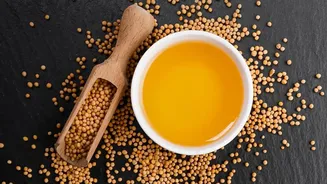

A Tale of Two Extraction Methods
The fundamental difference between cold-pressed and refined oils lies in how they are made. Cold-pressed oils, also known as 'kachi ghani' in India, are extracted using a mechanical press at low temperatures without the use of heat or chemical solvents.
This gentle, traditional method crushes seeds or nuts to release the oil, which is then filtered to remove particles. The process ensures the oil's natural flavour, aroma, and nutrients are preserved. In contrast, refined oils are produced on an industrial scale. The process often involves high heat and chemical solvents, like hexane, to extract the maximum amount of oil. This is followed by further treatments like bleaching to lighten the colour and deodorising to create a neutral taste, which also extends the oil's shelf life.
The Nutrient Retention Showdown
Because of its minimal processing, cold-pressed oil is the clear winner when it comes to nutritional value. The low-heat method preserves valuable nutrients like antioxidants, polyphenols, and essential vitamins such as Vitamin E, which are naturally present in the seeds. These compounds are crucial for fighting oxidative stress in the body. Refined oils, however, lose a significant portion of these beneficial components during the high-heat and chemical treatments. The refining process can strip away natural antioxidants and vitamins, leaving an oil that is less nutritionally dense. Some studies have shown that refining can reduce an oil's Vitamin E content by as much as 50%.
The Heart of the Matter
For heart health, the type of fat matters, but so do the extra compounds found in the oil. Both cold-pressed and many refined oils contain heart-healthy monounsaturated (MUFA) and polyunsaturated (PUFA) fats. However, cold-pressed oils offer an additional advantage. Their high concentration of natural antioxidants and phytosterols provides anti-inflammatory benefits and helps manage cholesterol levels, which supports overall cardiovascular health. Conversely, the intensive processing of refined oils not only removes these protective antioxidants but can sometimes create unhealthy trans fats, especially if partially hydrogenated. Consuming oils rich in natural, beneficial compounds is a better choice for a healthy heart.
Choosing the Right Oil for Your Cooking
The best oil for a dish often depends on its smoke point—the temperature at which it starts to break down and smoke. Refined oils generally have a higher smoke point, making them more stable and suitable for high-heat cooking methods like deep-frying and roasting. Cold-pressed oils typically have lower smoke points and are better suited for low-to-medium heat cooking, sautéing, or for use in their raw form in salad dressings and drizzles. Using a cold-pressed oil above its smoke point can degrade its nutrients and create harmful compounds. However, it's worth noting that some traditional Indian cold-pressed oils, like groundnut and coconut oil, have moderately high smoke points that make them versatile enough for everyday cooking.
Flavour, Aroma, and the Final Dish
One of the most distinct differences you'll notice in the kitchen is the flavour. Cold-pressed oils retain the authentic aroma and taste of their source, whether it's the pungency of mustard or the nuttiness of groundnut. This can add a wonderful, characteristic flavour to your meals. Refined oils, having been bleached and deodorised, are intentionally neutral in taste and smell. This makes them a good choice for baking or in recipes where you don't want the oil's flavour to interfere with other ingredients. Ultimately, the choice depends on whether you want the oil to be a background component or a flavour contributor in its own right.