
1. The Rustic Warmth of Exposed Brick
There's an undeniable charm to an exposed brick wall that feels both industrial and deeply earthy. It provides a textured, character-rich backdrop that painted walls often lack. In the Indian context, a terracotta or red brick wall pairs beautifully with
solid wood furniture, brass artifacts, and handloom textiles, creating a space that feels grounded and authentic. Whether used behind a TV unit in a contemporary apartment or as a full feature wall in a larger home, its raw appeal adds instant personality. For a softer, more modern take, consider a whitewashed or limewashed brick finish, which retains the texture while brightening the room.
2. The Quiet Luxury of Wood Panelling
Wood brings a natural elegance and sophistication to interiors that is hard to replicate. Modern wooden wall treatments have moved far beyond the heavy, dark panels of the past. Today, options like sleek vertical fluted panels, geometric patterns, or classic board-and-batten styles can create a stunning focal point. Vertical slats, for instance, can make a room feel taller, while the natural grain of teak, mango, or veneer panels adds visual warmth. This treatment works exceptionally well behind a bed as a headboard wall or in a living room to frame an entertainment centre, adding a layer of quiet luxury that complements both modern and traditional decor schemes.
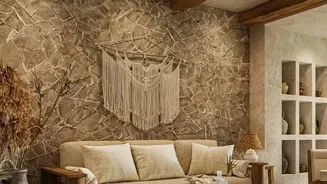
3. The Breathable Beauty of Lime Wash
An ancient technique enjoying a major comeback, lime wash (or 'chuna') offers a uniquely soft, mottled finish with subtle movement and depth. Unlike paint, which forms a film on the wall, lime wash is a mineral-based finish that bonds with the plaster, allowing the walls to breathe. This makes it particularly well-suited to the varied and often humid climates across India, as it helps regulate moisture and resist mould. The result is a chalky, matte surface that interacts beautifully with natural light, creating a serene and organic atmosphere reminiscent of old-world havelis and Mediterranean villas.
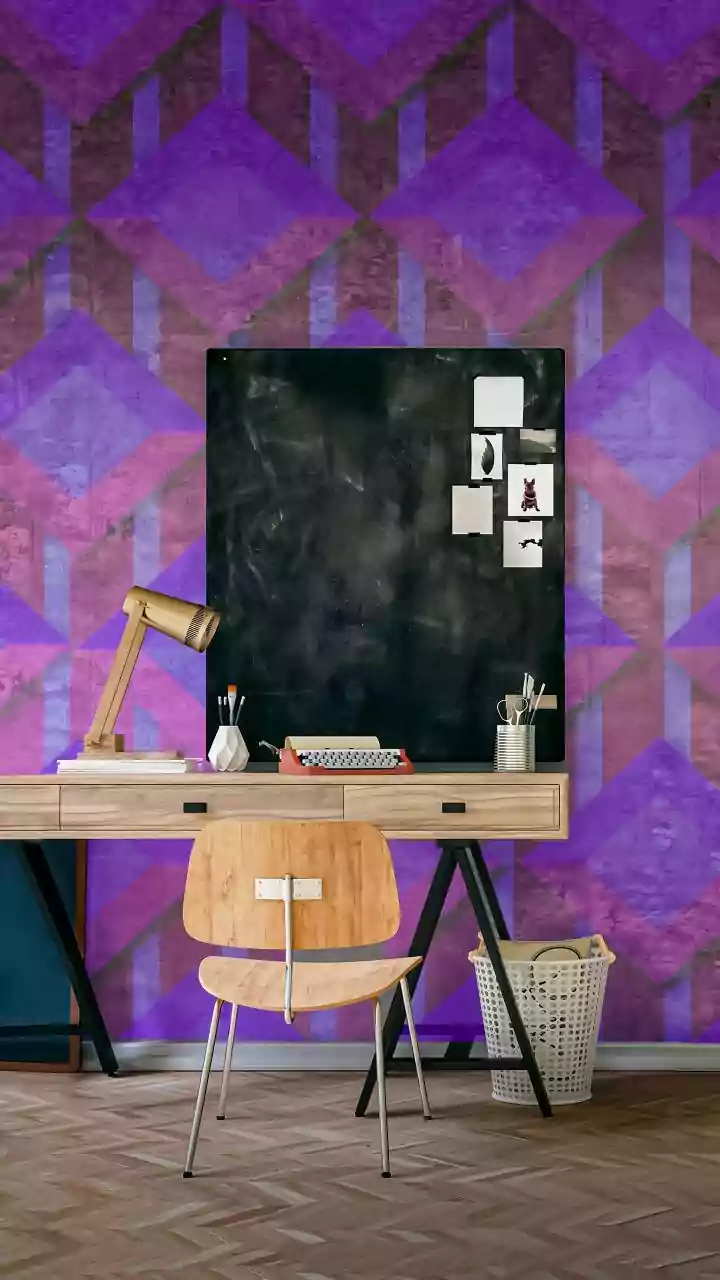
4. The Personal Touch of Murals and Stencils
For a truly personal and artistic statement, an accent wall can become a canvas for traditional Indian art forms. A hand-painted mural depicting styles like Pichwai, Kalamkari, or Kerala murals can transform a wall into a stunning piece of storytelling. These art forms, rich in mythology and nature-inspired motifs, infuse a space with cultural depth and vibrant colour. For those who prefer a more uniform look, intricate stencils of Mughal-inspired botanical patterns or folk art motifs like Warli can be used to create a custom wallpaper effect. This approach ensures your accent wall is not just a design element but a reflection of heritage and personal taste.
5. The Intricate Play of Jaali Panels
Jaali, the traditional latticed screens iconic in Indian architecture, offer a unique way to create an accent wall with depth and function. Used as a decorative overlay or a full partition, jaali panels create a dramatic play of light and shadow that changes throughout the day. Traditionally carved from wood or stone, modern jaalis are also available in more accessible materials like MDF and even PVC, which can be cut into countless intricate patterns. A jaali wall can serve as a non-intrusive divider in an open-plan living area, a decorative backdrop in a puja room, or simply as a piece of architectural art, adding a touch of regal history and sophisticated detail to the space.