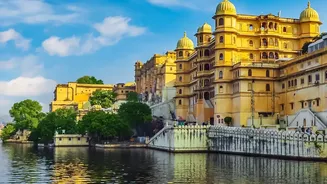









The weekend getaway is a classic for a reason, but soaring prices and crowded destinations can dampen the holiday spirit. Now, a growing number of young, budget-conscious Indians are rewriting the rules, finding that the real travel sweet spot lies between
Monday and Friday.
The Powerful Pull of the Rupee
The most compelling reason for this shift is simple economics. Travelling during the week is significantly lighter on the wallet. Flight tickets, a major component of any travel budget, often see their lowest prices for departures on Tuesdays and Wednesdays. Airlines use dynamic pricing, and with lower demand outside the Friday-to-Sunday rush, fares drop. The savings extend to accommodation as well. Hotels in leisure destinations like Goa or hill stations can be 20-35% more expensive on Friday and Saturday nights. By checking in on a Sunday or Monday, travellers can avoid these peak rates and make their budget stretch further, allowing for either a longer trip or an upgrade in experience.
Escaping the Overwhelming Crowds
Imagine having that popular viewpoint, serene beach, or historic fort almost to yourself. This is the weekday reality. Popular tourist spots that are swamped with visitors on weekends become far more tranquil from Monday to Thursday. This 'off-peak' advantage means shorter queues, better photo opportunities without strangers in every frame, and a more peaceful atmosphere. For many young travellers, the experience of a destination is paramount. They are increasingly prioritising mood and meaning over just ticking off a checklist, and the quiet of a weekday trip allows for a more personal and immersive connection with a place.
The New Work-Life Paradigm
This trend wouldn't be possible without a fundamental change in India's work culture. The rise of remote work, hybrid models, and flexible leave policies has untethered millions of young professionals from the traditional five-day office week. With the freedom to work from anywhere, a 'workation' from a cafe in Manali or a homestay in Coorg is no longer a fantasy. This flexibility allows them to travel during the week without dipping into their precious leave balance. India has seen a massive growth in its digital nomad population, with an estimated 4.8 million Indians now working remotely full-time, creating a homegrown movement that is reshaping tourism in destinations from the Himalayas to the coasts.
Greater Availability and Spontaneity
Trying to book a popular boutique hotel or a highly-rated restaurant for a Saturday night often requires planning weeks, if not months, in advance. Weekday travel flips this scenario. With lower demand comes better availability. It's easier to snag a room at that sought-after property, book a last-minute spa treatment, or decide to take a trip on a whim. This flexibility appeals to the Gen Z preference for spontaneous, less rigidly planned trips. Reports show that many young Indians favour multiple shorter trips over one long annual holiday, and the ease of booking a mid_week break fits this travel style perfectly.
A More Authentic Local Experience
When the weekend tourist rush subsides, the true character of a place emerges. Weekday travel offers a chance to see a destination in its normal rhythm. Local markets are for locals, cafes are filled with residents, and the overall pace is more relaxed. This environment fosters more genuine interactions. Homestay hosts have more time for a chat, service at restaurants can feel more personal, and there’s a greater opportunity to connect with the local culture beyond the curated tourist experience. For a generation of travellers driven by the desire for authentic, experience-led journeys, this is a significant draw.