

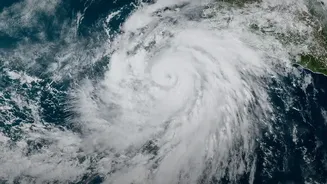
The term 'El Niño' is back in conversation, but this year it’s more than just weather jargon. The developing 2026 event is prompting urgent questions across India about its potential to disrupt monsoon patterns and threaten public wellbeing.
What Exactly Is El Niño?
El Niño is
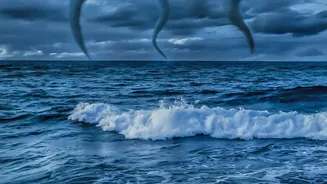
a naturally occurring climate pattern, not a single storm. It's defined by the unusual warming of sea surface temperatures in the central and eastern equatorial Pacific Ocean. This change in the ocean, though thousands of kilometres away, is powerful enough to disrupt global atmospheric circulation. For India, this often means a weaker southwest monsoon, higher temperatures, and a greater likelihood of prolonged dry spells. These events happen every two to seven years, but their strength and specific impacts vary, making each El Niño a unique challenge.
A Potentially Historic Event in 2026
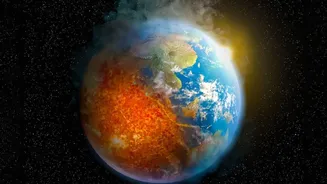
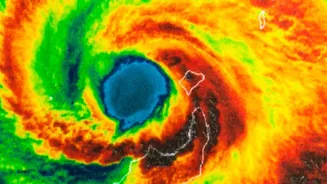
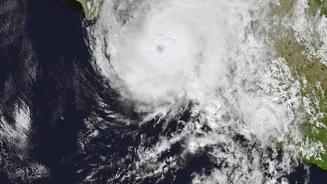
The 2026 El Niño is shaping up to be particularly strong, with some scientists referring to it as a 'Super El Niño'. The World Meteorological Organization (WMO) has noted that the phenomenon is intensifying and is expected to persist into early 2027, peaking around November or December 2026. This event is occurring against a backdrop of long-term global warming, which can amplify its effects. The WMO has confirmed it as the strongest El Niño ever measured for this time of year, raising concerns that it could fuel more extreme weather globally.
From Weather Patterns to Livelihoods
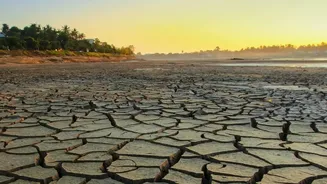
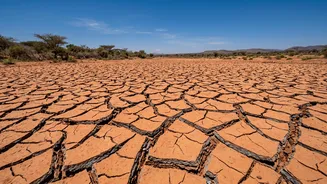
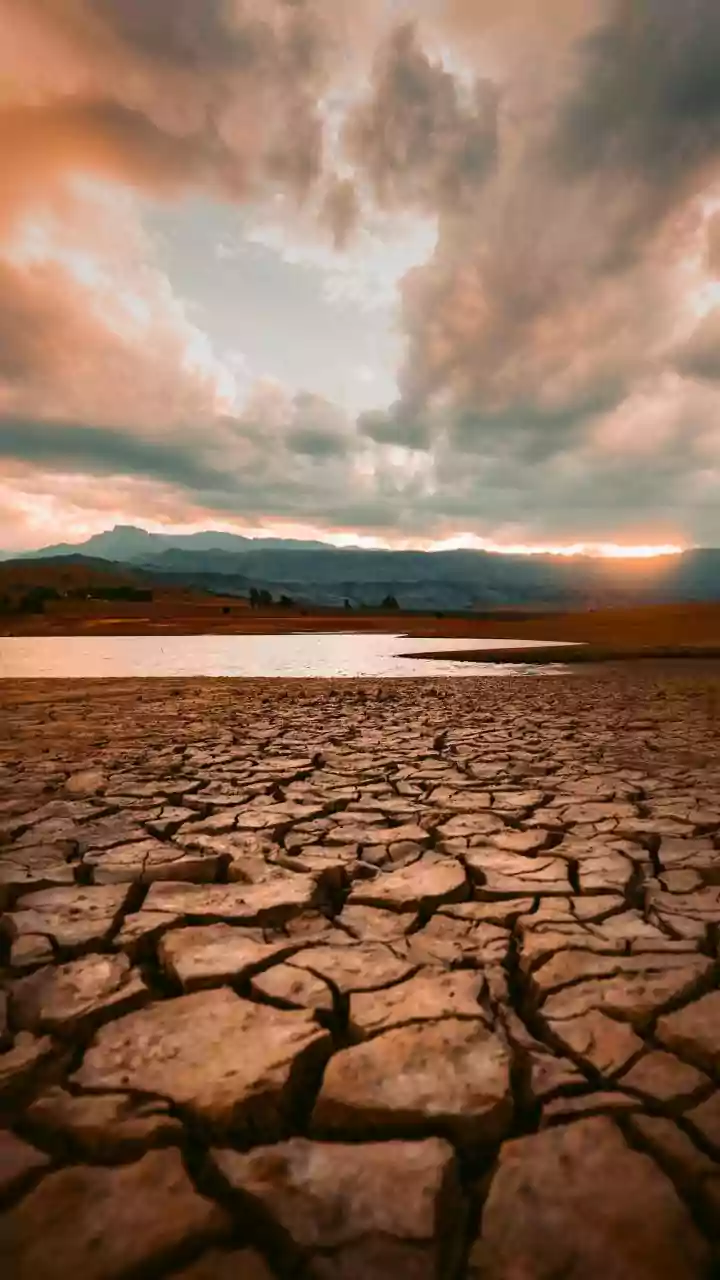
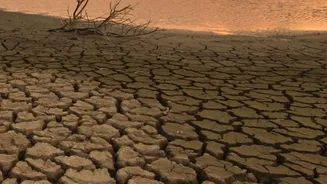
The primary concern for India is El Niño's historical link to below-normal monsoon rainfall. A weaker monsoon means less water for agriculture, which is critical for the Kharif and Rabi seasons. The 2026 southwest monsoon already recorded a rainfall deficit, raising concerns about water levels in reservoirs, groundwater recharge, and soil moisture for winter crops. This directly impacts farmers who face higher irrigation costs, the threat of crop failure, and reduced yields for staples like rice and wheat. The government has initiated comprehensive preparations, including contingency plans for over 300 districts, ensuring seed availability, and promoting drought-resistant crop varieties to mitigate the impact on farmers.
The Ripple Effect on Public Health
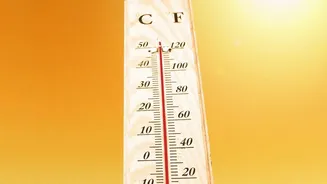
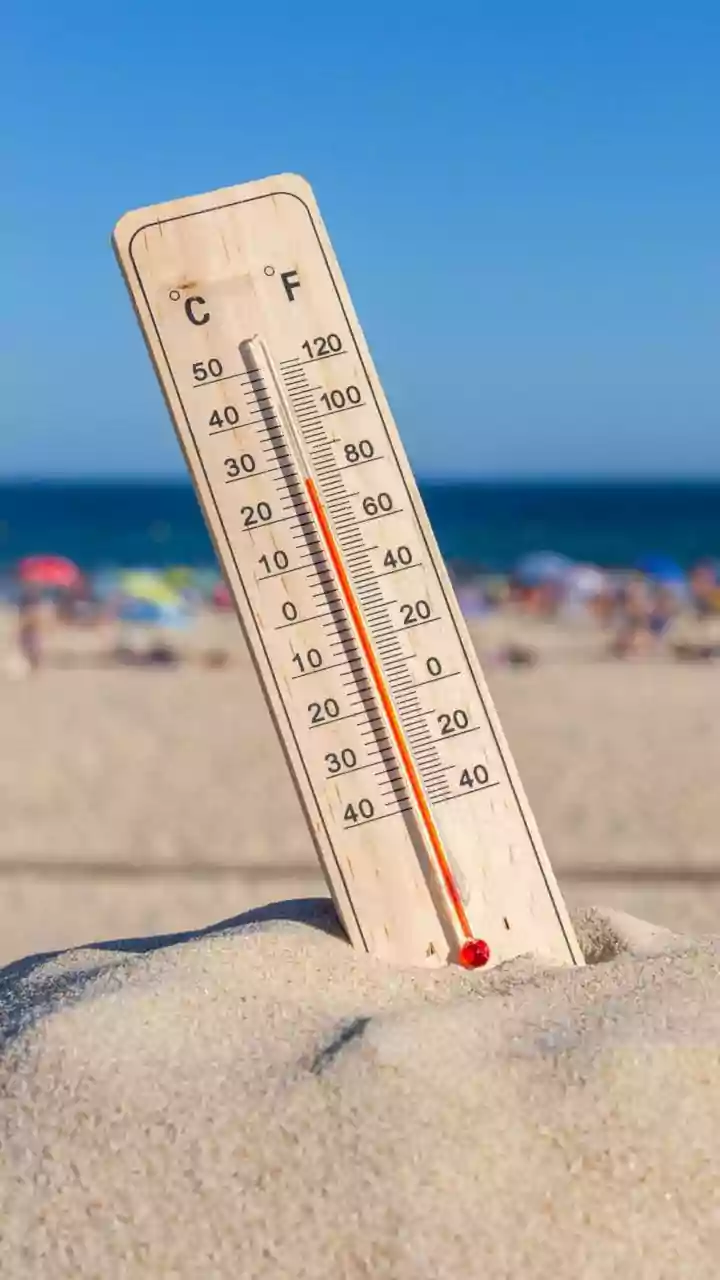
The impacts of El Niño extend far beyond farm gates and into public health. Higher temperatures lead to more frequent and intense heatwaves, increasing the risk of heatstroke, dehydration, and worsening chronic conditions like heart and kidney disease. Water scarcity can lead people to use unsafe sources, raising the risk of water-borne diseases like cholera and typhoid. At the same time, altered rainfall patterns can create ideal breeding grounds for mosquitoes, potentially leading to a higher incidence of vector-borne diseases such as dengue and malaria. The World Health Organization has placed India on high alert for these health risks, noting that outdoor workers, the elderly, and urban slum dwellers are disproportionately vulnerable.
A Mix of Extremes
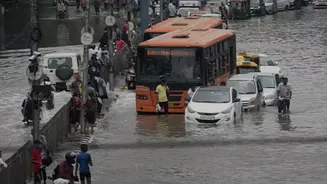
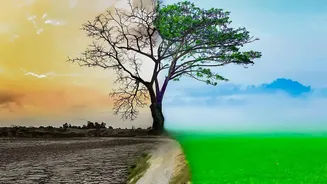
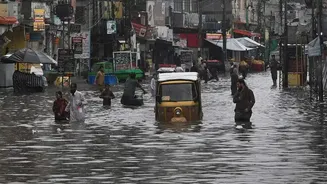
While El Niño is often associated with drought in India, it can also create a pattern of extremes. A season that is dry overall may still experience short bursts of intense rainfall, leading to localized flooding, landslides, and urban waterlogging. Recent forecasts for the winter of 2026-27 suggest that the Hindu Kush Himalaya region, including parts of northern India, could see above-normal snowfall. While this might seem contradictory, it highlights El Niño's complex ability to disrupt normal weather patterns, bringing drought to one region while increasing flood and avalanche risks in another.