

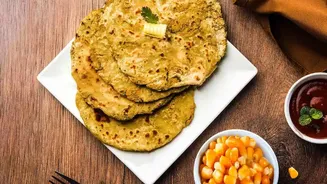
Heard the buzz about ancient grains but not sure where to start? You're not alone. These nutritional powerhouses are making a comeback in Indian kitchens, and for good reason. Here’s how you can make them a simple, delicious part of your daily diet.
What Are Ancient Grains, Exactly?
The
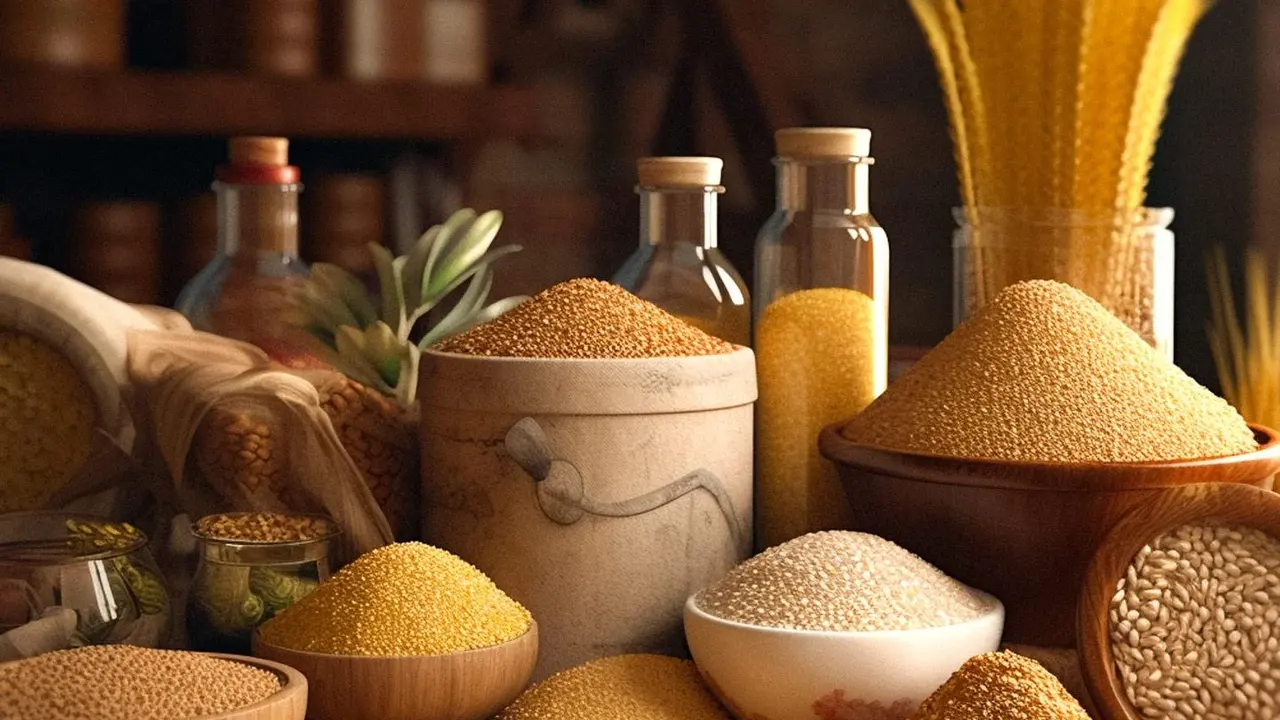
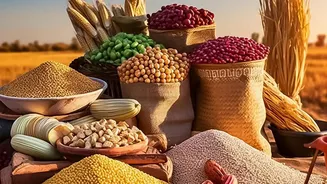
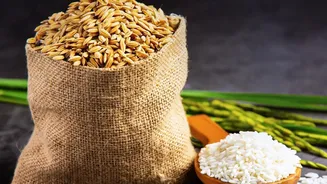
term 'ancient grains' refers to grains and pseudocereals (seeds cooked and eaten like grains) that have remained largely unchanged for hundreds or even thousands of years. Unlike modern wheat, rice, and corn, which have been extensively bred for high yields, these grains are closer to their original forms. Many of them, like jowar, bajra, and ragi, have been staples in Indian households for centuries, long before refined flours became common. Think of them not as a new trend, but as a return to traditional, wholesome eating.
More Than Just Nostalgia: The Health Benefits
Swapping refined grains for their ancient counterparts is one of the best things you can do for your health. They are typically packed with more fibre, protein, vitamins, and minerals than their modern, processed relatives. This high fibre content aids digestion, helps regulate blood sugar levels, and keeps you feeling full longer, which can assist in maintaining a healthy weight. Many ancient grains are also naturally gluten-free, including jowar, bajra, ragi, amaranth, and buckwheat, making them excellent choices for those with sensitivities.
Get to Know Your Grains
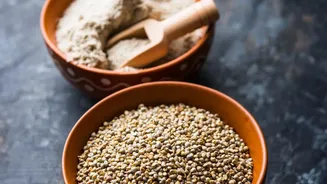
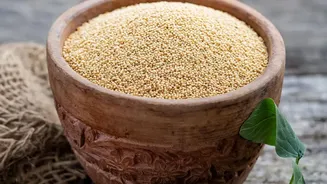
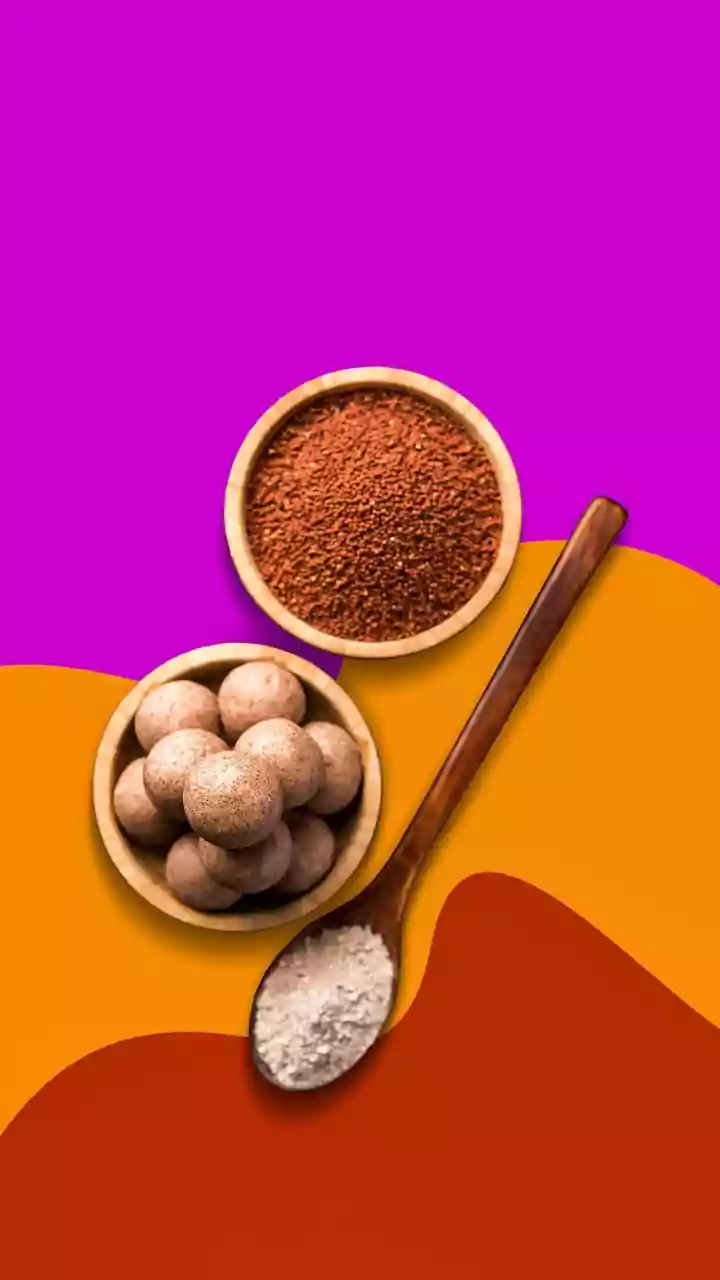
Ready to dive in? Here are a few of the most accessible and versatile ancient grains to welcome into your pantry. Millets (Jowar, Bajra, Ragi): This isn't one grain but a family of them. Jowar (sorghum) is a mild, versatile flour perfect for making rotis or bhakri. Bajra (pearl millet) has a nutty, earthy flavour and is traditionally a winter staple in states like Rajasthan and Gujarat. Ragi (finger millet) is a nutritional powerhouse, famously high in calcium, and often used in porridges and dosas. Amaranth (Rajgira): Often seen during fasting periods, amaranth is a tiny seed that cooks up into a creamy porridge. It’s a complete protein, containing all nine essential amino acids, and has a pleasant, slightly sticky texture when cooked. Buckwheat (Kuttu): Despite its name, buckwheat is not related to wheat and is gluten-free. It has a robust, nutty flavour and is another fasting favourite that deserves a year-round spot in your diet. Its flour is great for pancakes and rotis.
Simple Cooking Instructions
Cooking ancient grains is no more difficult than cooking rice. Here are some basic starting points: For Millets (like Foxtail or Little Millet): The general ratio is 1 cup of millet to 2 or 2.5 cups of water. Rinse the grains well, soak for at least 20-30 minutes, then cook in a pot or pressure cooker until tender. In a pot, bring to a boil, then simmer covered for about 15-20 minutes. For Amaranth: To make a porridge, use a ratio of 1 cup of amaranth to 3 cups of water. Bring to a boil, then simmer for about 20-25 minutes until the water is absorbed and the texture is creamy. For a firmer texture, use less water. For Buckwheat Groats: Use a 1:2 ratio of buckwheat to water. Rinse the groats, bring to a boil, then cover and simmer on low for 15-20 minutes without stirring for a fluffy result.
Easy Ways to Eat More Ancient Grains
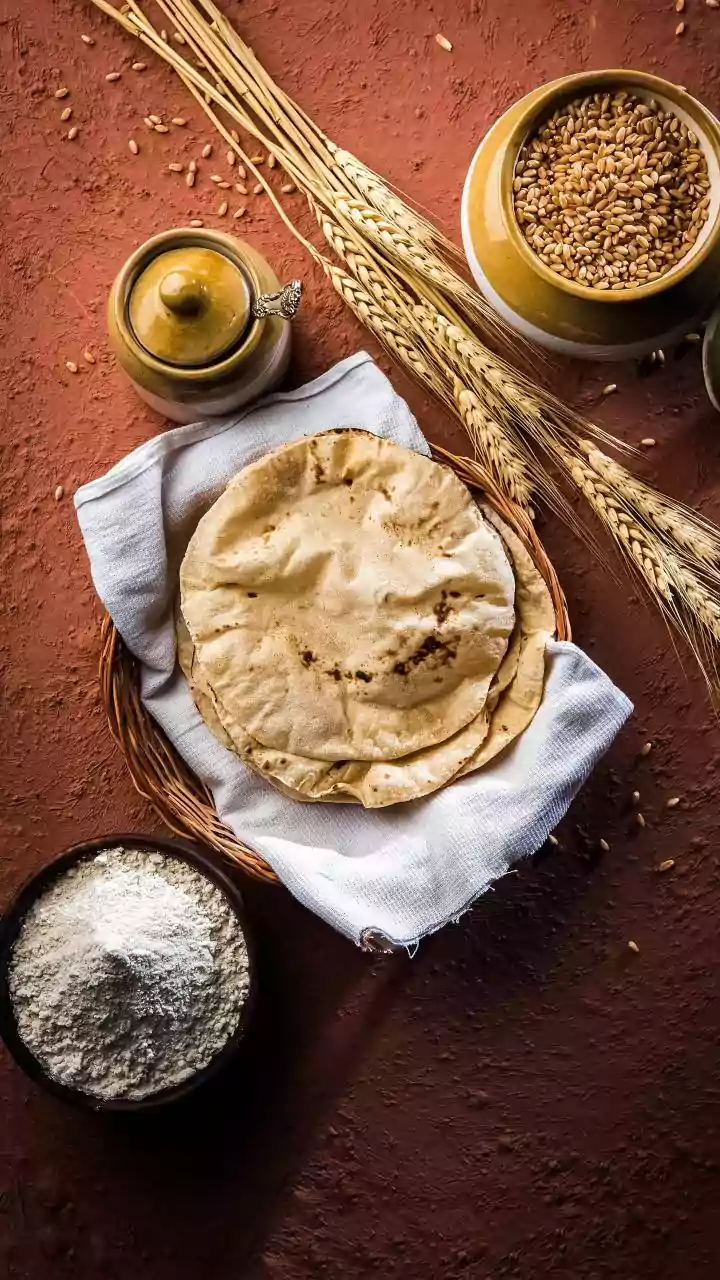
You don't need to learn entirely new recipes. The easiest way to start is by incorporating ancient grains into meals you already love. Swap your flour: Start by mixing 25-30% jowar, bajra, or ragi flour into your regular chapati atta. This simple change boosts fibre and nutrients instantly. Reimagine your breakfast: Instead of oatmeal, try a warm porridge made from ragi or amaranth, sweetened with a little jaggery and topped with nuts. Upgrade your rice dishes: Use cooked millets like foxtail or little millet as a base for pulao, lemon rice, or curd rice. They also make a fantastic, hearty addition to salads and grain bowls. Make a smarter upma or khichdi: Simply substitute rava or rice with quick-cooking millets like foxtail millet for a more nutritious version of these comfort foods.