







The Myth of the Carefree Weekend
In a city as dynamic and chaotic as Mumbai, the ‘go-with-the-flow’ attitude can be a recipe for disaster. We all have stories. The impromptu trip to Bandra that ended in a two-hour traffic jam because a political rally shut down a key road. The beach
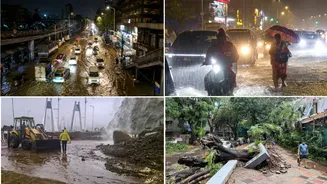
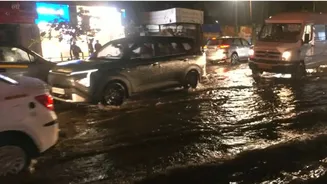
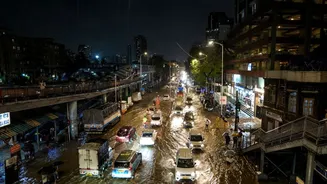
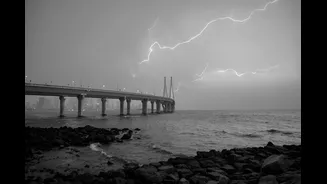
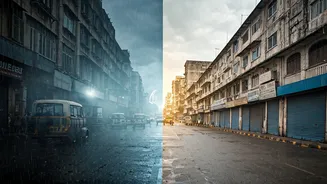
outing that was ruined by a sudden, un-forecasted downpour, leaving you stranded. Recent events from this past week underscore this, with intense monsoon showers causing widespread waterlogging in areas like BKC and Wadala, and uprooted trees choking major roads in the western suburbs. An impulsive decision, made without a quick check of the day's conditions, often leads not to adventure, but to hours of frustration stuck in a car or wading through knee-deep water. This isn't about being rigid; it's about acknowledging the reality that Mumbai operates on its own terms, and a little foreknowledge can be the difference between a weekend well-spent and a weekend wasted.
Your First Line of Defence: The Alert System
Fortunately, we live in an age where information is at our fingertips. Your smartphone can be your most powerful tool in navigating the city. The Brihanmumbai Municipal Corporation (BMC) has a 'Disaster Management MCGM' app designed to provide citizens with crucial updates. It offers weather forecasts, information on tide levels, and traffic diversions. This app aims to give location-specific warnings for issues like waterlogging hours in advance, a critical feature during the monsoon. For real-time traffic conditions, the Mumbai Traffic Police are active on social media platforms, often providing updates on congestion, accidents, and road closures. Beyond official channels, apps like m-Indicator have become essential for millions of commuters, offering live tracking of local trains, bus schedules, and even a chat function to ask fellow travellers about delays. These tools aren't meant to stop you from going out; they’re designed to help you go out smarter.
The Monsoon Mindset: Planning Becomes Survival
During the monsoon, which can last for months, embracing alerts is less a matter of convenience and more a matter of survival. The season routinely paralyses the city, submerging railway tracks and flooding key arterial roads like the Andheri subway. This past week alone, parts of the city saw over 100 mm of rain in just a few hours overnight, bringing the Monday morning commute to a complete standstill for many. Relying on impulse during these months is a high-stakes gamble. Knowing which areas are chronic flooding spots, being aware of high-tide warnings issued by the IMD, and checking the status of the local trains before leaving the house are not just tips, but essential practices. A quick check can inform you that services on the Central Line are delayed due to waterlogging, allowing you to switch to a different mode of transport or route, saving you from being stranded for hours.
Informed Spontaneity: The New Way to Explore
This argument isn't a case against spontaneity itself, but an argument for a smarter, more informed version of it. True freedom in a city like Mumbai doesn't come from blindly stepping out into the unknown. It comes from having options and the knowledge to choose the best one. An alert about heavy traffic towards Juhu doesn't have to cancel your plan; it can pivot it. Perhaps it becomes an evening to explore a new cafe in your own neighbourhood that you’ve been meaning to try. Knowing that a major cricket match is scheduled at Wankhede Stadium allows you to avoid the inevitable gridlock in South Mumbai and head in the opposite direction. By taking two minutes to check for alerts, you are not killing the fun. You are safeguarding it. You are giving yourself the power to adapt, to change plans on your own terms, not because the city’s chaos forced you to. This is the new spontaneity: nimble, informed, and ultimately, far more rewarding.