


Embrace Warm Soups and Broths
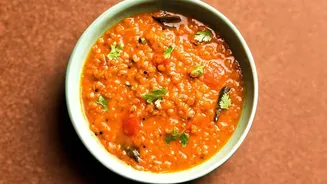
As the weather cools, your body craves warmth. According to Ayurveda, the digestive fire, or Agni, weakens during the monsoon, making it harder to process heavy foods. Warm, light, and freshly cooked meals are recommended to counteract this. Soups are an excellent
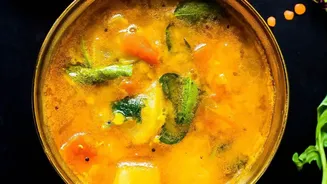
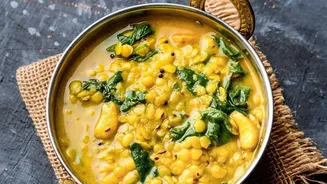
choice. A classic moong dal soup, a tangy tomato rasam, or a mixed vegetable broth are not only comforting but also easy to digest. These dishes provide essential nutrients without burdening your system, making them an ideal foundation for a monsoon diet. Spices like pepper, ginger, and turmeric often used in these soups further aid digestion and boost immunity.
Harness the Power of Warming Spices
Your kitchen's spice box is your best ally during the rainy season. Traditional spices like turmeric (haldi), ginger (adrak), garlic (lahsun), and black pepper (kali mirch) are prized for their antimicrobial and anti-inflammatory properties. Ginger is particularly effective at settling stomach issues, while turmeric is a powerful immunity modulator. A daily cup of ginger tea or adding a pinch of turmeric to your milk at night—the classic haldi doodh—are simple habits that can help protect you from common monsoon infections like colds and flu. These spices don't just add flavour; they actively support your body's defences.
Go for Lightly Cooked Gourds
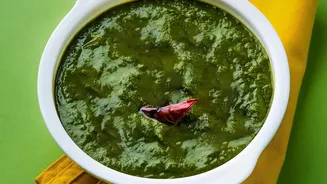
While leafy green vegetables are best consumed with caution during the monsoon due to a higher risk of contamination, seasonal gourds are a fantastic alternative. Vegetables like bottle gourd (lauki), ridge gourd (turai), pointed gourd (parwal), and bitter gourd (karela) are highly recommended. These vegetables are light, easy to digest, and absorb spices well, making them perfect for simple curries and stews. Bitter gourd, in particular, is celebrated for its ability to boost immunity due to its high concentration of vitamin C and antioxidants.
Savour Seasonal Monsoon Fruits
Nature provides the perfect fruits to tackle monsoon health concerns. Jamun, or the Indian blackberry, is a true superfood of the season. Rich in Vitamin C and iron, it helps boost immunity and purify the blood. Pears and pomegranates are other excellent choices that are easy to digest and packed with essential nutrients. These fruits support digestion and provide antioxidants that protect your body. Unlike water-heavy fruits like melon, which can weaken digestion according to Ayurveda, these seasonal gems offer hydration and health benefits in equal measure.
The Ultimate Comfort Food: Khichdi
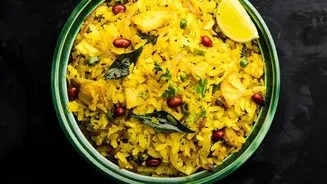
There is a reason khichdi is considered India's ultimate comfort food, especially during the monsoon. This simple, one-pot meal of rice and moong dal is light, nourishing, and incredibly easy to digest. It provides a complete protein and is gentle on a sluggish digestive system, which is common in humid weather. You can enhance its benefits by cooking it with a dollop of ghee and digestive spices like cumin, ginger, and turmeric. For a light yet satisfying dinner, khichdi is an unmatched choice that aligns perfectly with Ayurvedic principles for the season.
Snack Smart with Roasted Corn
The craving for snacks intensifies on rainy evenings, but it's wise to be mindful. While fried pakoras are a classic indulgence, they can be heavy on the stomach. A healthier, yet equally iconic, monsoon snack is roasted corn on the cob, or bhutta. Often roasted over charcoal and seasoned with lemon, salt, and chilli, it's a light, smoky, and satisfying treat. Corn provides sustained energy through complex carbohydrates and is packed with antioxidants, making it a much smarter way to indulge your snack cravings while watching the rain.