





The Ritual of the Big Announcement
It has become an annual tradition. As Onam approaches, the Union Railway Minister announces a large number of special trains to Kerala to manage the festive rush. This year, the number is over 100 services. The announcement generates widespread media
coverage and a momentary sense of relief for the millions of Keralites living in cities like Bengaluru, Chennai, Mumbai, and Delhi who are desperate to travel home. The hype is immediate, but the crucial details are often missing. The headline number—'100 special trains'—sounds impressive, but it’s a metric that serves the announcement more than the passenger. This top-line figure often obscures the more complex and frustrating reality on the ground.
From Hype to Headaches
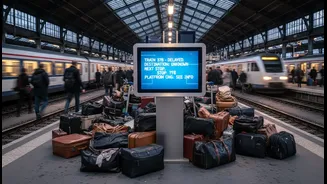
The problem lies in the gap between the announcement and execution. A declaration of '100 special trains' doesn't mean 100 distinct trains running daily. It often refers to the total number of trips or services, which might be a single train making multiple journeys. This ambiguity is where the trouble starts. Passengers are left wondering about the specifics: What are the train numbers? What are the exact routes and stoppages? And most importantly, when do bookings open? Just this week, Southern Railway began announcing the first of these services, such as a Mangaluru-Chennai train, but passengers were left waiting for confirmation on dates and schedules. This uncertainty fuels anxiety and makes planning impossible, turning a festive homecoming into a logistical nightmare.
The Human Cost of Missing Context
This lack of clear, consolidated information has real-world consequences. Families trying to book tickets find themselves relentlessly refreshing the IRCTC website, battling system errors and vague information. The wait for concrete schedules forces many to hedge their bets. Do they wait for a special train that may or may not suit their route and date, or do they pay exorbitant prices for flights? This dilemma benefits private bus operators, who are known to triple or quadruple fares during the Onam season, exploiting the desperation of stranded passengers. Many commuters have alleged that this chaos is a recurring issue, with passenger associations pointing out that promises are often made but ignored, leaving them in the lurch. The entire ordeal adds a layer of immense stress to what should be a joyous occasion.
A Call for a Passenger-First Approach
Indian Railways, particularly the Southern Railway, has shown it can be efficient. In 2025-26, it recorded the highest passenger occupancy on special trains in the country and has even implemented systems to SMS waitlisted passengers about new special services. The capability is there. What's needed is a shift in communication strategy. Instead of a single, top-down announcement focused on a large number, the Railways should provide a transparent, rolling schedule. A dedicated, constantly updated micro-site for festival specials could provide all necessary details—routes, timings, number of trips, and booking windows—in one place. This would empower passengers with the context they need to make informed decisions, reducing their reliance on last-minute, high-stress options. The focus must shift from the grandeur of the announcement to the clarity of the information provided.