






The Unsung Hero of Perfect Bakes
In almost every recipe, after the instruction to remove your creation from the oven, you’ll find the line: “cool on a wire rack.” It’s a step so common that it's easy to dismiss as optional. But the humble cooling rack is one of the most important tools
in a baker's arsenal. This simple grid of wires on short legs is ingeniously designed to do one thing perfectly: allow air to circulate around the entire surface of your baked good. This complete air circulation is the secret to halting the cooking process at the right moment and preventing a common baking disaster.
The Science of the Cool-Down
When you pull a tray of cookies or a cake from the oven, it is still cooking. The metal pan retains a significant amount of residual heat and continues to transfer it to the food through a process called conduction. Leaving your bake on the hot tray leads to overcooked, dry, or even burnt bottoms. A cooling rack immediately stops this process by lifting the item off the hot surface. Simultaneously, a second process is at play: mass transfer. Your fresh-from-the-oven treat is releasing a lot of steam. A rack allows this steam to dissipate into the air, which is essential for achieving the right final texture.
Avoiding the Dreaded Soggy Bottom
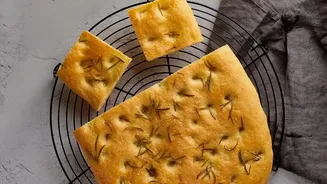
If that steam has nowhere to go, it gets trapped. When you leave a loaf of bread or a cake on a solid surface like a countertop or the pan it was baked in, the steam condenses back into water. This moisture collects on the bottom, turning a potentially crisp and golden-brown base into a soft, wet, or gummy mess. This phenomenon, known as the “soggy bottom,” is a frustrating outcome for any baker. By elevating your baked goods, a rack ensures that condensation never has a chance to form, preserving the integrity of the crust and crumb from top to bottom.
Why It Matters for Every Bake
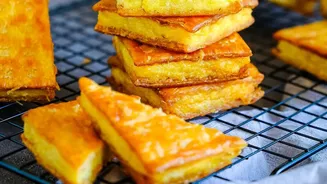
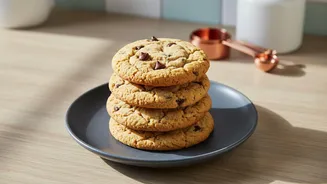
The benefits of a cooling rack apply to nearly everything you pull out of the oven. For cookies, immediate transfer to a rack halts carryover cooking, which is key to achieving that perfect balance of a chewy center and crisp edges. For cakes, even a few minutes of cooling in the pan before being turned out onto a rack helps the structure set, preventing it from breaking while also avoiding a soggy exterior. For crusty artisan breads, a rack is non-negotiable. It allows the crust to become firm and crunchy all around. Slicing into a loaf before it has completely cooled on a rack can lead to a gummy interior, as the internal structure is still setting.
Making the Most of Your Rack
While most recipes provide specific instructions, a good rule of thumb is to let cakes and some quick breads sit in the pan for about 10 minutes to firm up before inverting them onto a rack. Cookies, on the other hand, should often be moved within a couple of minutes to prevent over-baking on the hot sheet. Yeast breads can typically be moved immediately. Don't have a rack? In a pinch, you can improvise. An overturned muffin tin can serve as a makeshift elevated surface, allowing crucial airflow underneath a hot pan or baking sheet. The key is to create space for air to do its job.