







The Soul of Chutney: Mastering Spice
The foundation of any memorable chutney is its spice profile. This isn’t just about heat; it's about creating layers of flavour. Start by thinking about your chillies. Fresh green chillies offer a sharp, immediate heat, while dried red chillies can provide
a deeper, smokier warmth. For a truly complex chutney, consider using a combination. Beyond chillies, other spices are crucial. Roasting whole spices like cumin or mustard seeds in a little oil before grinding them releases their essential oils and brings out a nutty, aromatic quality. Fresh ginger adds a pungent, warming kick that cuts through other flavours, while garlic provides a savoury depth. The secret is to build these flavours gradually. Don't add everything at once. Taste as you go, allowing the spices to meld. A final pinch of a complex blend like garam masala can add a finishing touch of warmth and fragrance.
The Essential Zing: Achieving Perfect Tang
Tanginess is what makes a chutney bright and exciting, cutting through richness and balancing the spice. The most common sources of tang are acidic ingredients like lemon juice, tamarind, and vinegar. Freshly squeezed lemon juice provides a clean, bright acidity that's perfect for fresh herb chutneys like mint and coriander. Tamarind paste offers a deeper, more complex sourness with fruity undertones, making it a classic choice for sweeter or date-based chutneys. Vinegars, from standard white to apple cider, also work well, especially in cooked chutneys where their sharpness mellows over time. Unripe or sour fruits like raw mango are another fantastic way to introduce a natural tang. The key is to achieve balance. If your chutney becomes too sour, a small amount of a sweetener like jaggery or sugar can help tame the acidity without making it overtly sweet. The goal is a pleasant puckering sensation, not an overwhelmingly sour taste.
The Non-Negotiable: Prioritising Hygiene
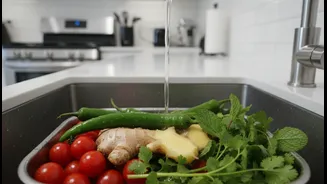
Flavour is king, but hygiene is the gatekeeper that ensures your chutney is safe to eat. This is especially true for fresh, uncooked chutneys. Always start with impeccably clean hands and equipment. Thoroughly wash all fresh ingredients like herbs, tomatoes, and chillies under running water. Use a clean blender and utensils that have been washed in hot, soapy water. Cross-contamination is a major risk; never use a spoon that has touched other foods to scoop your chutney. The water you use for blending should also be clean and fresh. When it comes to storage, airtight containers are essential to prevent the chutney from absorbing fridge odours and to stop air exposure, which can cause discolouration and spoilage. Glass jars are often preferred as they don't react with the acids in the chutney. Sterilising these jars by boiling them or running them through a hot dishwasher cycle provides an extra layer of protection, especially for chutneys you plan to store for more than a day or two.
Storage and Shelf Life
Proper storage preserves both the flavour and safety of your creation. Once made, fresh chutney should be refrigerated promptly in a sealed, airtight container. Storing it in the main part of the fridge, rather than the door, helps maintain a more consistent temperature. Most fresh, uncooked chutneys will last for up to a week when stored correctly. For longer-term storage, freezing is an excellent option. Pour the chutney into an ice cube tray, and once frozen, transfer the cubes to a freezer-safe bag. This allows you to thaw small portions as needed. For cooked chutneys containing preservatives like vinegar and sugar, the shelf life is much longer. When stored in sterilised, sealed jars in a cool, dark place, they can last for months or even up to a year. Once opened, however, they should be kept in the fridge and consumed within a month. Always use a clean spoon each time you serve from the jar to prevent introducing bacteria.