





The Modern Dilemma of Chai Time
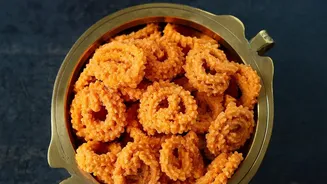
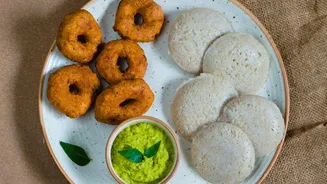
For generations, the evening chai has been incomplete without a plate of something savoury and often deep-fried. Samosas, chaklis, mathris, and pakoras are not just food; they are carriers of comfort, tradition, and flavour. In today's fast-paced urban
environment, however, this daily indulgence is coming under scrutiny. Health-conscious parents and individuals are increasingly aware of the long-term effects of consuming snacks made from refined flour (maida) and excess oil. The challenge for modern households is clear: how to preserve the cherished tradition of teatime snacks while aligning it with a healthier lifestyle. It’s a quest to find a balance between the nostalgic flavours of childhood and the nutritional needs of the present.
Enter the Ancient Grain: A Millet Renaissance
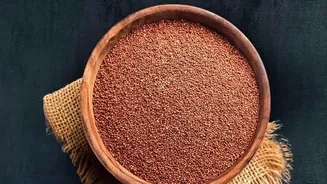
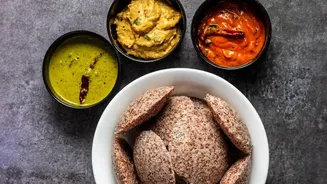
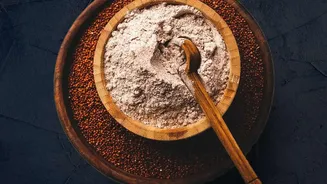
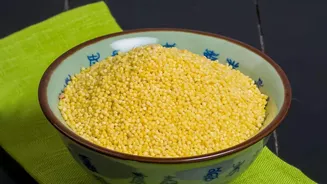
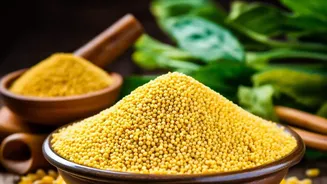
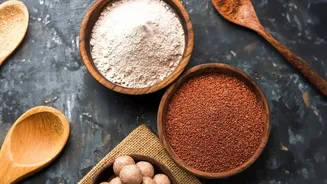
The solution, it turns out, has been in our fields for centuries. Millets—a group of ancient grains including jowar (sorghum), bajra (pearl millet), and ragi (finger millet)—are making a powerful comeback in Indian kitchens. Once considered a humble rural staple, these grains were largely overshadowed by the Green Revolution's focus on wheat and rice. Now, driven by a global wellness trend and government initiatives, millets are being rediscovered as 'superfoods'. Urban families are at the forefront of this revival, seeking out these nutrient-dense grains as a direct replacement for refined flours in their daily cooking. This isn't about a fleeting diet trend; it's about reconnecting with a more sustainable and nourishing food heritage.
A Nutritional Powerhouse in Every Bite
So, what makes millet flours the hero of the healthy snack world? Their nutritional profile is impressive. Unlike refined wheat flour, whole millet flours are packed with dietary fibre, which aids digestion and keeps you feeling full longer. This high fibre content also gives them a lower glycemic index, meaning they release sugar into the bloodstream more slowly, preventing energy spikes and crashes—a huge plus for managing blood sugar levels. Millets are naturally gluten-free, making them an excellent choice for those with sensitivities. Furthermore, they are rich in essential minerals. Ragi is a standout for its high calcium content, crucial for bone health, while bajra is an excellent source of iron. Jowar is prized for its protein and antioxidant content. This nutrient density makes them far superior to the empty calories often found in conventional snacks.
From Pakora to Chakli: A Healthy Makeover
The true magic of millet flours lies in their versatility. They can be seamlessly integrated into almost any traditional snack recipe, offering a healthy upgrade without a complete overhaul. Crispy, guilt-free chaklis can be made by baking them with ragi flour. Mathris get a nutritious boost by using a blend of flours, including bajra. Even dough for samosas or cutlets can be made using jowar or a multi-millet flour blend, creating a more wholesome pastry. The key is often to start by substituting a portion of the refined flour—say, 30%—with a millet flour and gradually increasing the ratio as your palate adjusts. This simple swap dramatically increases the fibre, protein, and mineral content of your favourite snacks.
More Than Just Health: The Flavour Factor
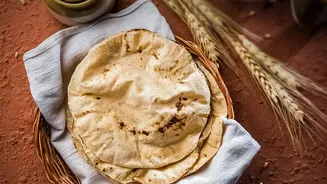
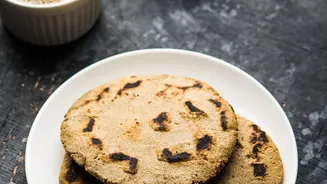
A common concern when switching to healthier alternatives is the compromise on taste. However, millet flours don't just add nutrition; they add a new dimension of flavour. Ragi imparts a deep, earthy taste, while jowar is milder and bajra has a distinct nutty sweetness. These rustic flavours can actually enhance the taste of savoury snacks, complementing the spices used in Indian cooking. For instance, the earthy notes of a bajra roti or mathri are a classic pairing with herbs and spices. Rather than seeing them as a bland health food, urban cooks are embracing millets for the unique and complex character they bring to the table, proving that healthy and delicious can go hand-in-hand.
Making the Switch: A Practical Guide for Families
Adopting millet flours doesn't have to be daunting. The easiest way to begin is by blending. Start by replacing 25-30% of the wheat or refined flour in your recipes with a millet flour like jowar, which has a mild taste. Because millet flours are gluten-free and absorb more liquid, you may need to add a bit more water, yoghurt, or oil to your dough to keep it from becoming dry. For recipes like cookies or crackers, letting the dough rest for 10-15 minutes allows the flour to hydrate properly, improving the final texture. Today, many brands offer high-quality, pre-packaged millet flours and even ready-to-eat millet-based snacks like cookies and puffs, making it easier than ever for busy families to make the switch.