

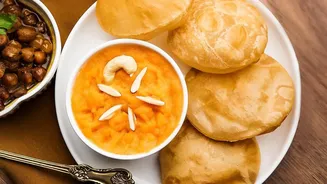
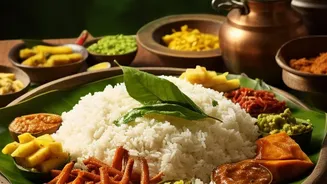
In a world of instant gratification, where a full meal is just a few taps away, a quiet but powerful counter-movement is taking place. More people are swapping the convenience of food delivery for the profound satisfaction of cooking heritage recipes.
A Connection to Our Past
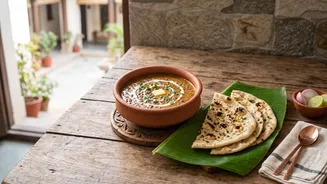
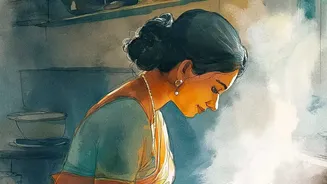
Food delivery is transactional; you tap, you pay, you eat. Heritage cooking, however, is a conversation with the past. Every time you cook a dish passed down from a grandparent, you are doing more than just preparing a meal. You are connecting with generations of your family. These recipes are living history, carrying stories, memories, and a sense of belonging in every pinch of spice. In many Indian homes, recipes are not just instructions but heirlooms, passed down orally from mothers to daughters, often measured by experience and intuition rather than exact quantities. This act of recreation bridges generations, making us feel rooted in our culture and connected to loved ones, even those who are no longer with us.
The Sensory Joy of the Process
The experience of ordering food is largely visual and digital, confined to a screen. Cooking, on the other hand, is a full-body sensory experience. It’s the sharp aroma of tempering spices in hot ghee, the satisfying rhythm of chopping vegetables, the warmth of kneading dough, and the visual delight of watching a curry simmer and change colour. This hands-on process is a form of mindfulness in itself. In an era dominated by speed, the slow, deliberate act of traditional cooking can feel like a form of therapy. It pulls us away from screens and into the physical world, offering a tangible reward for our patience and effort.
Nourishment for the Mind and Body
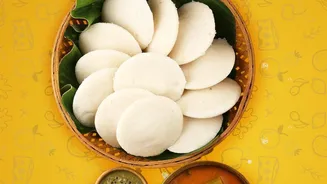
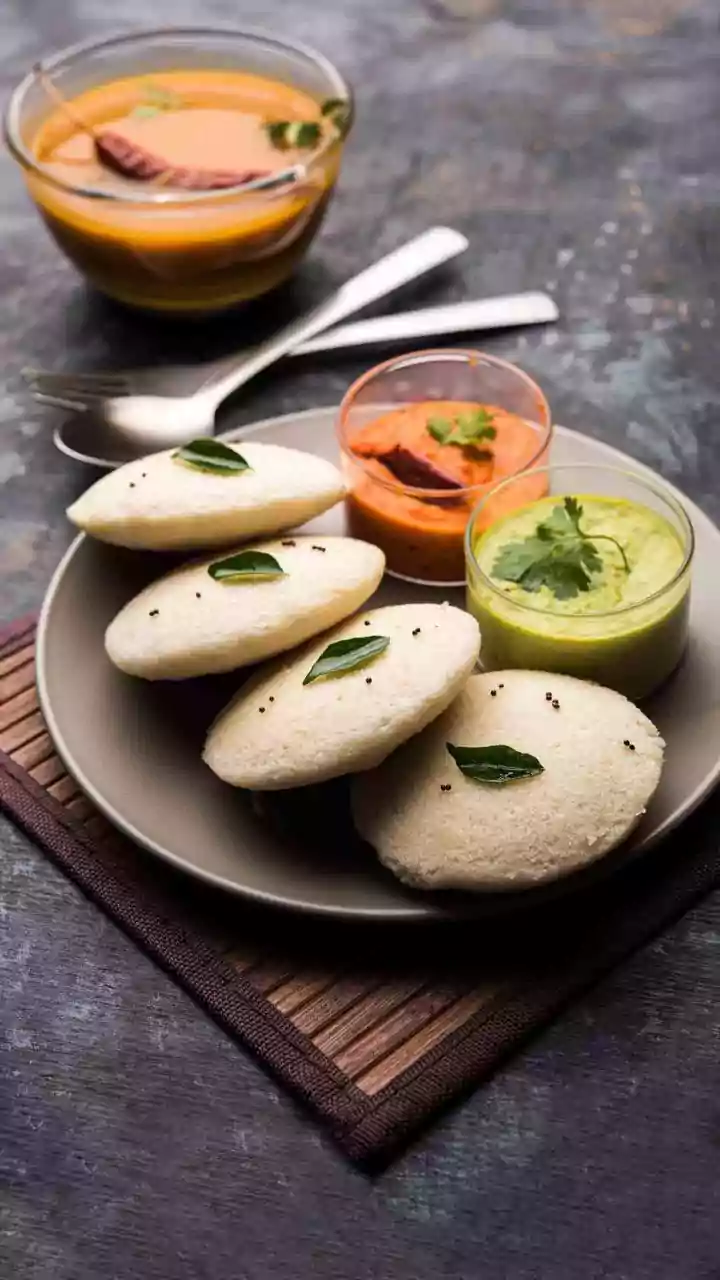
While delivery apps offer endless choice, the nutritional value can be a gamble. Restaurant and takeaway meals often contain higher levels of sodium, saturated fat, and overall calories compared to home-cooked food. When you cook at home, you have complete control over every ingredient, ensuring your meal is as wholesome as it is delicious. This is particularly true for many traditional Indian cooking methods like steaming (Bhaap) or using fresh, whole spices, which prioritize health and flavour without processed additives. Beyond the physical benefits, the act of preparing a meal for oneself or for loved ones provides a deep sense of accomplishment and care that a takeaway box simply cannot replicate.
Escaping Decision and Delivery Fatigue
The paradox of modern convenience is that it can be exhausting. The endless scrolling through menus, the variable delivery times, and the occasional order mix_up contribute to 'delivery fatigue'. Research has shown that fatigue is a primary trigger for using food delivery apps, creating a cycle where we are too tired to cook, so we order, which can contribute to unhealthy eating patterns. Choosing to cook a familiar heritage recipe eliminates this decision fatigue. The ingredients are known, the process is familiar, and the outcome is reliably comforting. It is a return to a simpler, more intentional way of feeding ourselves that is predictable in the best way possible.
A Cultural Revival in the Kitchen
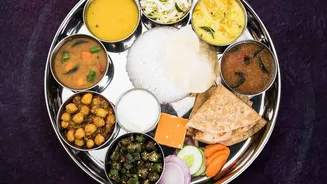
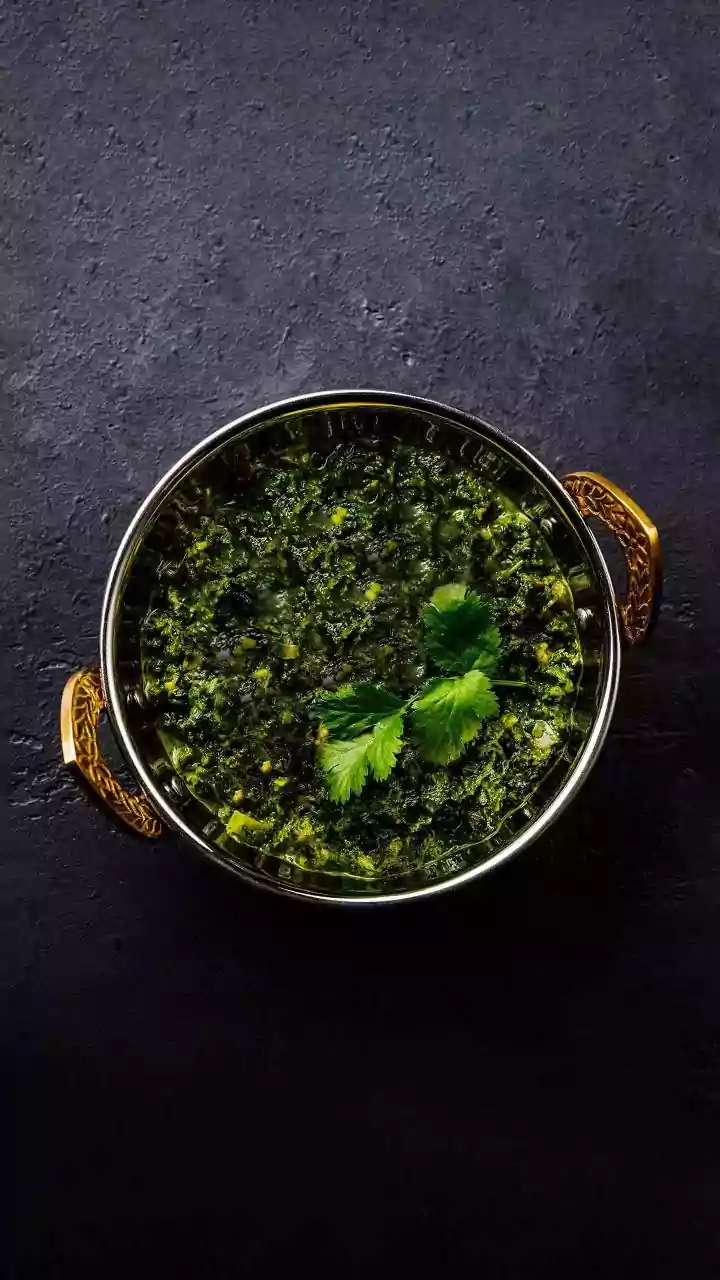
The renewed interest in heritage recipes is part of a larger cultural revival. Across India, chefs, food historians, and home cooks are making conscious efforts to document and revive lost or forgotten dishes. This movement isn't just about nostalgia; it’s about preserving cultural identity in a rapidly globalizing world. By choosing to cook a traditional meal, we participate in this preservation. We ensure that the diverse culinary tapestry of India, from a royal Kalinga Kheer to a simple Koshur Haakh, continues to be a living, breathing part of our culture for future generations to enjoy.