



What Does ‘Ultra-Processed’ Even Mean?
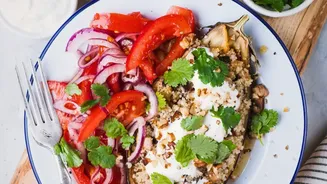
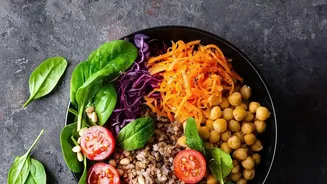
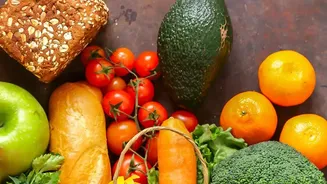
Before we can have a sensible discussion, we need to understand the terminology. The most widely used system is the NOVA classification, which groups foods into four categories based on their level of processing. Group 1 is unprocessed or minimally processed foods like
fresh fruits, vegetables, and meat. Group 2 includes processed culinary ingredients like oils and sugar. Group 3 consists of processed foods, which are combinations of the first two groups, such as canned vegetables or simple breads. Group 4 is where the controversy lies: ultra-processed foods (UPFs). These are industrial formulations with five or more ingredients, often including additives you wouldn't use at home, like emulsifiers, preservatives, and artificial flavours. Think sugary drinks, packaged snacks, instant noodles, and many ready-to-eat meals.
The Science Behind the Concern
The panic isn't entirely unfounded. A large body of research has linked high consumption of UPFs to a range of negative health outcomes. Studies have shown strong associations between diets heavy in UPFs and an increased risk of obesity, type 2 diabetes, heart disease, certain cancers, and even depression and dementia. These foods are often high in added sugar, salt, and unhealthy fats while being low in fibre and essential nutrients. Their highly palatable nature can also lead to overconsumption. The concern is not just about individual nutrients; some theories suggest the industrial processing itself, and the additives used, may disrupt how our bodies absorb nutrients or affect our gut health.
Why Nuance Is Necessary
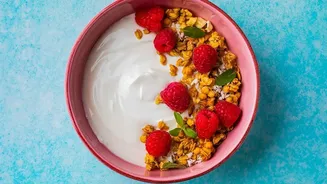
This is where the call for a balanced understanding comes in. Researchers point out that the “ultra-processed” category is incredibly broad and diverse. A sugary soda and a whole-grain, fibre-fortified breakfast cereal both fall under the UPF umbrella, but their nutritional profiles are vastly different. Items like whole-wheat bread, baked beans, some yogurts, and plant-based meat alternatives can also be classified as UPFs, yet they provide valuable nutrients like fibre, protein, and fortified vitamins. Recent research suggests that overall dietary quality might be a better predictor of health than the level of processing alone. The American Heart Association notes that while many UPFs are unhealthy, some can be part of a healthy diet.
The Real-World Context of Our Diets
Demonising all UPFs ignores the social and economic realities of how people eat. Processed foods offer significant benefits in terms of convenience, affordability, food safety, and shelf-life. For busy families, people on tight budgets, or those living in areas with limited access to fresh food, UPFs can be a crucial part of their diet. For example, freezing and canning can preserve the nutritional value of fruits and vegetables, making them more accessible. Simply telling people to avoid an entire category of food that makes up a significant portion of the modern food supply isn't practical or helpful. A more constructive approach considers why people make the choices they do.
From Fear to Informed Choices
So, how can you apply a balanced approach? Instead of panicking over every processed ingredient, the focus should shift towards your overall dietary pattern. Experts recommend reading nutrition labels to choose products lower in added sugar, sodium, and saturated fat. Prioritise whole and minimally processed foods like fruits, vegetables, and whole grains as the foundation of your diet. When you do choose processed foods, aim for the more nutrient-dense options. A slice of mass-produced whole-wheat bread is not the same as a packaged cookie. The goal isn't dietary perfection, which can lead to stress and anxiety, but rather making informed, healthier choices most of the time without declaring war on an entire, very broad, category of food.