






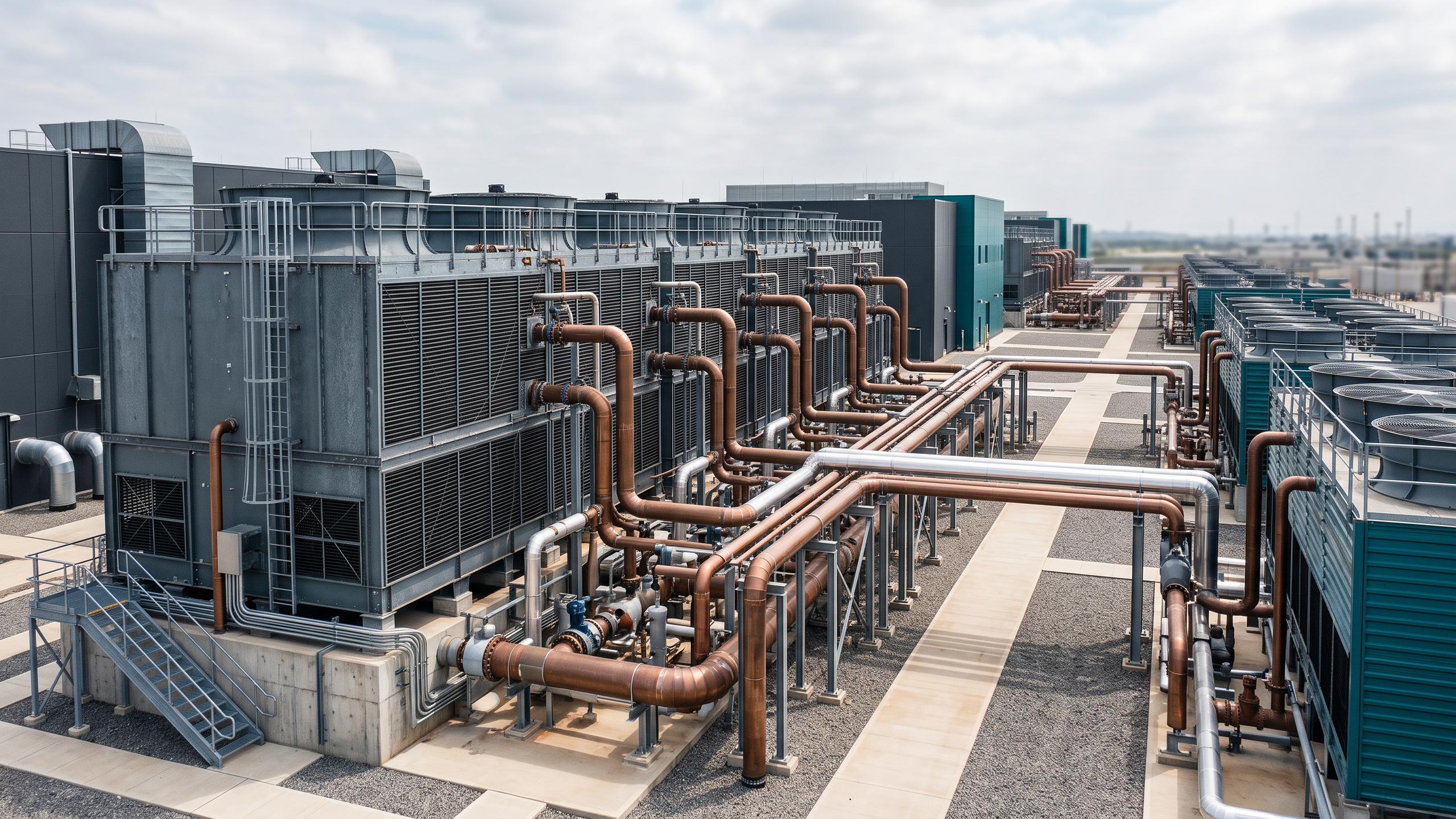

A New Scale of Energy Demand
The core finding from the International Energy Agency is staggering: global electricity consumption from data centres, AI, and cryptocurrencies is projected to double by 2030. In 2024, these facilities consumed an estimated 460 terawatt-hours (TWh) of
electricity, roughly 1.5% of the world's total. By 2030, that figure is expected to surge to over 1,000 TWh in the IEA's base-case scenario. To put that in perspective, 1,000 TWh is roughly equivalent to the entire current electricity consumption of Japan. This explosive growth, projected at around 15% per year, is more than four times faster than the growth of all other electricity-consuming sectors combined.
The AI and Data Revolution
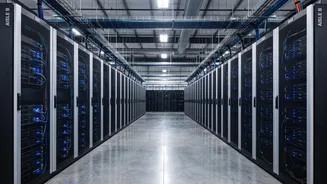
The primary driver behind this surge is the artificial intelligence boom. Training and running complex AI models requires immense computational power, which in turn consumes vast amounts of energy. A single query on an AI chatbot like ChatGPT, for example, can require up to ten times more electricity than a simple Google search. This demand is fueling a massive build-out of 'hyperscale' data centres, some of which can individually consume as much power as 100,000 homes. The IEA notes that servers specifically designed for AI, known as accelerated servers, will account for almost half of the total increase in data centre energy use through 2030. The United States and China are at the forefront of this expansion, expected to account for nearly 80% of the global growth in data centre power consumption.
Crypto and Streaming Add to the Load
While AI is the main character in this story, it's not the only one. The cryptocurrency sector remains a significant energy consumer. In 2023, Bitcoin mining alone was estimated to have consumed 120 TWh. The IEA forecasts that the total electricity demand from cryptocurrencies will increase by over 40% to around 160 TWh by 2026. This is compounded by the steady, ongoing growth of traditional cloud computing, video streaming, and our ever-increasing reliance on digital services for both work and leisure. The combined electricity usage of just four tech giants—Amazon, Microsoft, Google, and Meta—more than doubled between 2017 and 2021.
Can Our Power Grids Keep Up?
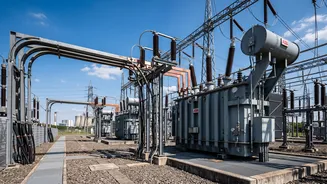
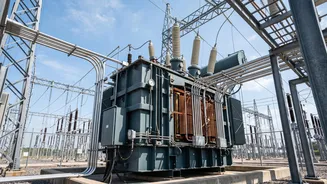
This unprecedented demand growth poses a serious challenge for electricity grids worldwide. Unlike the distributed load of electric vehicles, data centres represent massive, concentrated points of demand that can strain local and regional power systems. In some areas, the impact is already dramatic. In Ireland, data centres accounted for 17% of the country's total electricity consumption in 2022, a figure the IEA predicts could rise to 32% by 2026. In the US state of Virginia, home to the world's largest concentration of data centres, they already account for over 25% of the state's electricity demand. Utilities and grid operators are now grappling with how to build new power generation and transmission infrastructure fast enough to service this boom without compromising grid reliability or causing energy prices to spike for other consumers.
The Search for Greener Solutions
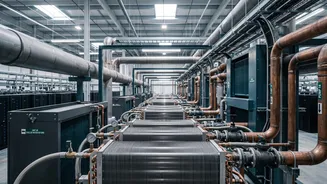
The tech industry is aware of the problem and is actively seeking solutions. Many major tech companies have become the world's largest corporate buyers of renewable energy, financing new wind and solar projects through power purchase agreements (PPAs). Despite these efforts, renewables alone may not be enough to meet the demand. The IEA projects that fossil fuels, particularly natural gas and coal, will still be needed to meet over 40% of the additional electricity demand from data centres through 2030. This has led to an increased focus on energy efficiency within data centres, from advanced cooling systems to more efficient hardware. Some companies are even exploring the use of advanced nuclear power, such as small modular reactors (SMRs), to provide the 24/7 carbon-free power these facilities require.