


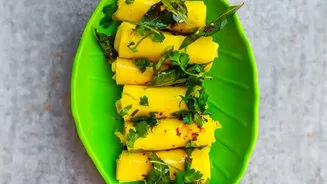
A Shift in the Indian Pantry
There’s a powerful shift happening in kitchens across India. While the comforting flavours of butter chicken and dal makhani remain beloved staples, a new culinary movement is gaining momentum, one that champions hyper-local ingredients and forgotten
flavours. For a long time, the perception of Indian food, both at home and abroad, was limited to a handful of North Indian curries and tandoori dishes. However, a growing confidence in our own culinary heritage is inspiring a new generation to look deeper into India’s vast and varied pantry. This isn't just about reviving old recipes; it’s about taking the unique tastes of specific regions and weaving them into the fabric of modern, everyday cooking in exciting and unexpected ways. The focus is shifting from imported luxury items like truffle and quinoa to the treasures in our own backyard.
From Niche Ingredient to Modern Star
This trend is most visible in the creative use of ingredients once confined to their native regions. Take the Gondhoraj lebu of Bengal, a lime prized not for its juice but for its intoxicating aroma. Traditionally squeezed over dal or fish, it's now finding its way into gin cocktails, margaritas, and even cheesecakes, lending its unique floral notes to modern desserts and drinks. Similarly, kokum, the souring agent from the Konkan coast, is being used for more than just sol kadhi; its clean, berry-like acidity is being explored in marinades and sorbets. Even everyday ingredients like jackfruit, long known as a humble vegetable, are being reimagined. Its fibrous texture makes it a popular plant-based substitute for pulled meat in tacos, burgers, and biryanis, appealing to a global trend towards vegetarianism.
The Chefs and Forces Driving the Change
This ingredient-first movement is being spearheaded by visionary chefs who are putting India’s produce at the heart of fine dining. Chefs like Manish Mehrotra and the late Prateek Sadhu have championed menus that celebrate regional specialities, from Himalayan herbs and sea buckthorn to hyperlocal spices like jakhiya seeds. They are proving that Indian ingredients possess a complexity that rivals any global counterpart. But the trend isn't just confined to high-end restaurants. Several factors are driving this change at a grassroots level. There is a growing interest in health and wellness, which has led to the resurgence of ancient grains like millets and amaranth. Furthermore, a desire for sustainability encourages cooks to source ingredients locally. The Godrej Food Trends Report 2024 highlighted a rising demand from consumers for new and exciting flavours, fuelling concepts that showcase hyperlocal cuisines.
Bringing Regional Flavours Home
Perhaps the most exciting aspect of this trend is its accessibility. You don’t need to be a professional chef to start experimenting. It can be as simple as swapping regular salt for Himalayan pink salt (sendha namak) in a salad or raita for a milder, more mineral-rich flavour. This salt, traditionally used during fasting, works wonderfully in everyday dishes. Consider adding a pinch of pungent chaat masala to roasted vegetables or fruit for a tangy kick, or using mustard oil for a pickle-style marinade. Try adding a splash of kokum extract to a cooling summer drink or using jaggery instead of refined sugar in your next dessert for a deeper, more caramel-like sweetness. By making small, creative swaps, you can participate in this culinary revival and discover a whole new world of flavour within Indian cuisine.