





Wayanad's Green Awakening
Wayanad has long been celebrated for its mist-clad mountains, sprawling spice plantations, and rich tribal heritage. However, as tourism grows, so do concerns about its environmental footprint. In response, a powerful movement towards responsible and sustainable
tourism has taken root. This philosophy aims to create a harmony between visitors, local communities, and the fragile ecosystem. It's about more than just preserving nature; it's about ensuring that tourism enriches the local economy and culture while minimising ecological damage. Resorts across the region are now championing this cause, moving beyond simple eco-friendly labels to implement deeply integrated, verifiable sustainable practices.
Architecture That Breathes: The Bamboo Revolution
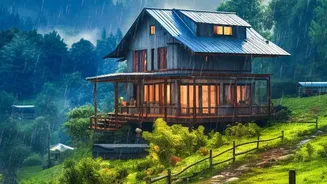
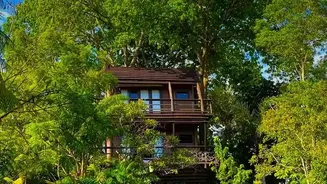
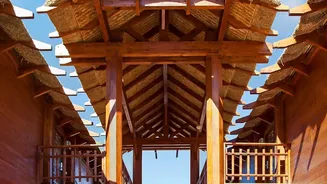
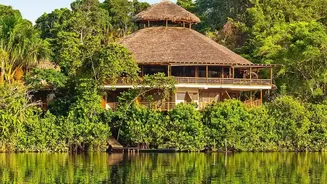
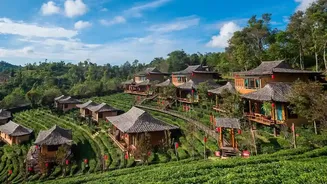
At the forefront of this green architectural movement is the humble yet versatile bamboo. Resorts like Uravu Bamboo Grove are built almost entirely from this sustainable material, showcasing how modern comforts can merge with rustic charm. Bamboo is a fast-growing grass that requires minimal resources, making it an ideal, locally-sourced building material. Its use isn't just an aesthetic choice; it’s a commitment to reducing the carbon footprint associated with conventional construction. Properties like Vythiri Village Resort and Muthanga Wild Resort also incorporate bamboo into their structures, from entire cottages to decorative elements, blending their architecture seamlessly into the surrounding forest. These structures are often designed with large openings and private decks, immersing guests in nature while promoting natural ventilation and light.
Liquid Gold: Harvesting Every Drop of Rain
In a region blessed with abundant monsoons, water conservation is a key pillar of sustainability. Leading resorts have developed sophisticated rainwater harvesting systems to capture and utilise this precious resource. At properties like AfterTheRains and Wayanad Silverwoods, rainwater is collected from rooftops, filtered, and stored in large reservoirs. This harvested water is then used for everything from flushing toilets and irrigating gardens to, in some cases, supplying showers after being properly treated. Tranquil Resort, set on a vast plantation, sources its drinking water from natural springs on the estate, treating it through a multi-step process that avoids the need for plastic bottles entirely. These initiatives not only reduce the strain on local water sources but also serve as a model for responsible water management in the hospitality industry.
A Holistic Vision for Sustainability
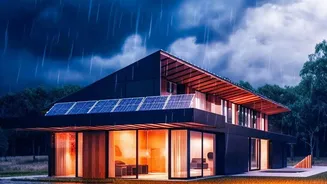
The commitment to sustainability in Wayanad extends far beyond just bamboo and water. It's a holistic approach that touches every aspect of a resort's operation. Many, like Vythiri Village Resort, are built on a foundation of zero deforestation, preserving the natural habitat. Waste management is another critical area, with strict segregation, composting of organic waste, and a significant reduction in single-use plastics being common practices. Some resorts generate a portion of their energy from solar panels and use biogas plants to convert kitchen waste into cooking fuel. Furthermore, there is a strong emphasis on community partnership, with many resorts prioritising the employment of local villagers, sourcing produce from nearby farms, and supporting traditional artisans, ensuring that the economic benefits of tourism are shared.