
The Dance Floor Demanded Volume
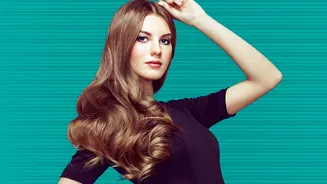
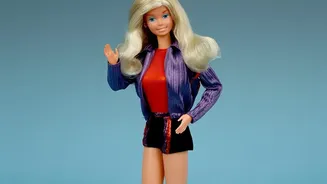
As disco music took over the nightlife, hairstyles had to keep up with the energy on the dance floor. Static, immovable hairdos gave way to styles that were big, bouncy, and full of life. Voluminous curls, shags, and blowouts were designed to move with the rhythm,
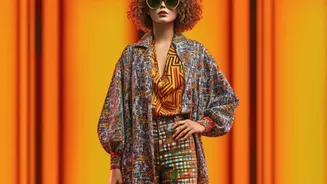
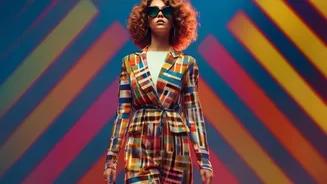
catching the light of the disco ball. This era was defined by a sense of glamour and boldness, and the hair was a primary expression of that spirit. It was the perfect complement to the shiny fabrics, sequins, and dramatic silhouettes that defined disco fashion. The goal was to be seen, and big, attention-grabbing hair was an essential part of the uniform for a night out at legendary clubs like Studio 54.
The Icons Who Defined the Curls
Two names in particular became synonymous with iconic '70s curls: Farrah Fawcett and Donna Summer. After rocketing to fame in 'Charlie's Angels,' Farrah Fawcett's feathered, flicked-back layers became an international phenomenon. Women everywhere flocked to salons requesting the 'Farrah-do,' which involved curling hair away from the face to create soft, voluminous wings. On the music front, the 'Queen of Disco' Donna Summer sported big, bouncy, lush curls that became her signature look. Her voluminous ringlets and, later, curly bangs, were the epitome of disco glamour, projecting a fearless and feminine energy that matched her powerful voice. Other popular styles included the shag, a choppy, layered cut famously worn by Jane Fonda that celebrated a more rebellious, carefree texture.
A Symbol of Cultural Liberation
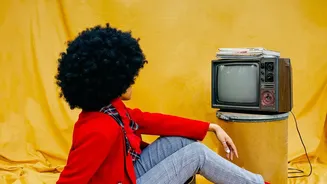
Beyond the dance floor, the move towards more natural and textured hair was deeply connected to the cultural shifts of the era. The 'Black is Beautiful' movement, which gained momentum in the late '60s and flourished in the '70s, was pivotal. The Afro became a powerful symbol of Black pride, identity, and a rejection of Eurocentric beauty standards. Activists like Angela Davis and cultural icons like Pam Grier and Diana Ross proudly wore their natural hair, transforming the Afro into a statement of empowerment. This celebration of natural texture had a ripple effect, influencing the broader trend toward less structured, more individualistic hairstyles and aligning with the women's liberation movement's push away from restrictive beauty norms.
The Tools and Tech Behind the Trends
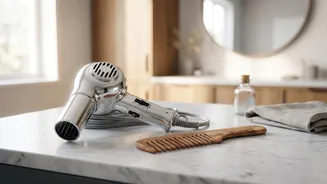
The signature volume of the 1970s wouldn't have been possible without new innovations in hair styling. The widespread availability of handheld blow dryers was a game-changer, allowing for at-home blowouts that created lift and shape. Paired with a large round brush, anyone could attempt to create the feathered wings of the Farrah look. Hot rollers and curling wands were essential for achieving the bouncy curls favored in the disco scene. To hold these voluminous styles in place, hairsprays were used generously. The new technology and products put the power of professional styling into the hands of everyday people, allowing for widespread experimentation and adoption of these defining trends.