




Choose Your Herbs Wisely
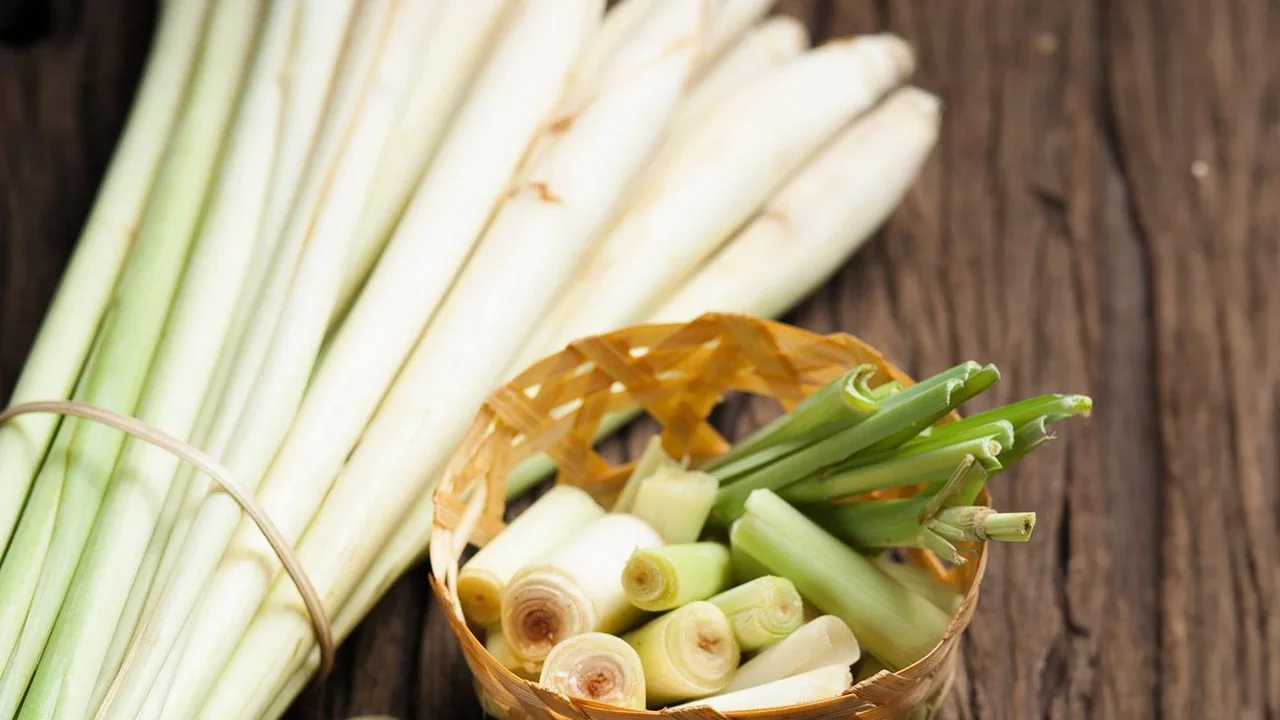
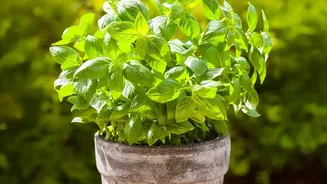
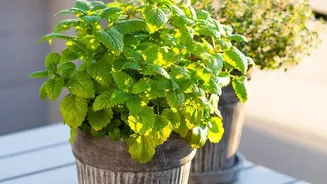
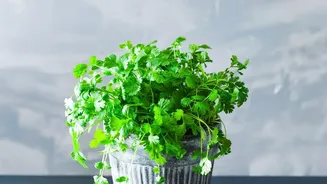
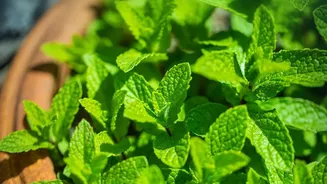
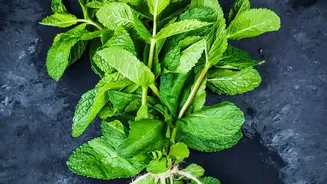
Not all herbs enjoy the constant dampness of the monsoon. To set yourself up for success, start with varieties that are more tolerant of high humidity and wet conditions. Herbs like mint (pudina), holy basil (tulsi), lemongrass, and coriander (dhaniya)
tend to thrive during the Indian rainy season. Mint, in particular, loves the moisture and can grow vigorously. Tulsi is famously hardy and is known for its immunity-boosting properties, making it a perfect monsoon companion. Lemongrass, with its strong stems, handles rain well and its citrusy aroma is a refreshing addition to any balcony. While you can grow others, these resilient choices are less likely to succumb to the challenges of the season.
Mastering Monsoon Drainage
The single biggest enemy of potted plants during the rains is waterlogging, which leads to root rot. Healthy roots need oxygen, but when soil is constantly saturated, the roots essentially drown. Your first line of defence is ensuring every pot has adequate drainage holes. If your favourite decorative pot doesn't have them, you must drill some. It’s also highly effective to elevate your pots. Simply placing them on bricks, pot feet, or a small stand allows excess water to escape freely and improves air circulation around the base of the pot, preventing it from sitting in a puddle. During periods of very heavy rain, avoid letting pots sit in saucers filled with water; be sure to empty them promptly.
Create a Well-Draining Potting Mix
Standard garden soil becomes heavy and compacted when wet, holding too much water and restricting airflow to the roots. For a monsoon-ready balcony garden, a lighter, well-draining potting mix is crucial. Create your own by combining equal parts soil, compost, and a material that improves aeration and drainage, such as coarse sand or coco peat. Coco peat is excellent as it retains some moisture without becoming waterlogged, while sand helps create air pockets. This type of mix ensures that even after a downpour, excess water drains away quickly, keeping the roots healthy and free from rot.
Rethink Your Watering Schedule
It seems obvious, but it’s a common mistake: overwatering your plants when the rain is already doing the job for you. During the monsoon, you should reduce manual watering significantly. The golden rule is to always check the soil before you water. Insert your finger about an inch or two into the soil. If it feels damp, do not water the plant. For herbs placed where they receive direct rainfall, you might not need to water them manually at all. Your focus should shift from watering to checking for good drainage instead.
Provide Shelter and Sunlight
While the rains provide water, they are often accompanied by reduced sunlight and strong winds. Most herbs still need several hours of sunlight to thrive, so place them in the brightest part of your balcony. However, torrential downpours can physically damage delicate leaves and stems. If possible, move your pots to a spot under an overhang or awning during particularly heavy spells of rain. This protects them from the direct force of the downpour while still allowing them to benefit from the bright, ambient light. Taller or more fragile plants may also need staking to prevent them from breaking in strong winds.
Stay Vigilant Against Pests and Fungi
High humidity creates the perfect breeding ground for fungal diseases and pests. Keep a close eye out for common issues like powdery mildew or leaf spots. Good air circulation is key to prevention, so avoid overcrowding your plants. Prune your herbs regularly, removing any yellowing or diseased leaves immediately to prevent the problem from spreading. Regular trimming not only keeps diseases at bay but also encourages bushier, healthier growth, giving you more herbs to harvest. For pests, a simple spray of neem oil solution can work as an effective and organic deterrent.