







The Challenge of Your Body Clock
Every person operates on an internal 24-hour cycle known as the circadian rhythm. This biological clock governs everything from hormone levels to body temperature, but its primary job is to manage your sleep-wake cycle. It's designed to make you feel
alert during the day and sleepy at night, largely in response to the planet's natural light-dark cycle. Shift work throws a wrench in this finely tuned system. When you work through the night and try to sleep during the day, you're in a constant battle with your internal clock, which is receiving signals from daylight that it should be awake. This misalignment is why shift work is often linked to persistent fatigue, poor sleep quality, and even a recognised condition called shift work sleep disorder.
How Light Controls Your Sleep
Light is the single most powerful signal that regulates your circadian rhythm. Specifically, the blue-spectrum light that is abundant in sunlight and modern LED screens is a strong wake-up call for the brain. Exposure to this kind of light tells a specialised group of cells in your eyes to suppress the production of melatonin, the hormone that makes you feel sleepy. This is great in the morning, but it's a major problem when you've just finished a night shift and need to rest. Conversely, the absence of blue light and the presence of warmer, red and amber tones—like those in a natural sunset—signals to your brain that it's time to wind down and prepare for sleep. This allows melatonin levels to rise naturally, making it easier to fall and stay asleep.
Creating Your Own Sunset
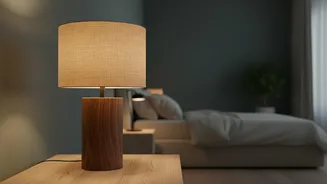
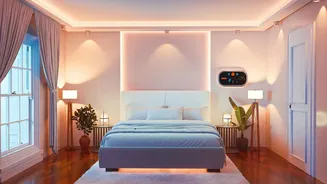
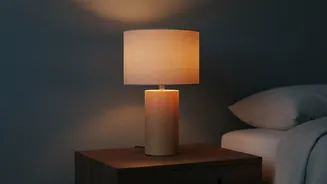
The key for a shift worker is to create an artificial sunset that aligns with your desired sleep schedule, regardless of what time it is outside. This means strategically managing your light exposure in the hours before you plan to go to bed. Start by dimming the lights in your home one to two hours before your bedtime. Switch off harsh, cool-toned overhead lights and use lamps with warm-coloured bulbs instead. The goal is to create a soft, amber glow that mimics twilight. This simple change helps your body begin its natural process of melatonin production, easing you into a state of rest. Think of this period as your personal 'wind-down' zone, signalling to your entire system that the 'day' is ending and sleep is approaching.
Block the Blue Light
Creating your sunset isn't just about adding warm light; it's also about aggressively blocking out stimulating blue light. On your commute home from a night shift, wear dark, wraparound sunglasses to shield your eyes from the morning sun. Once home, make your bedroom as dark as possible using blackout curtains or an eye mask. It's also critical to avoid screens from TVs, computers, and smartphones in the hour or two before bed, as these are potent sources of blue light that can disrupt your efforts. If you must use a screen, use 'night mode' settings or consider wearing blue-light-blocking glasses with amber or orange lenses, which are specifically designed to filter out the disruptive wavelengths of light.
Beyond Lighting: Other Sleep Essentials
While controlling light is a game-changer, it works best as part of a comprehensive sleep hygiene strategy. Consistency is crucial. Try to stick to the same sleep and wake times, even on your days off, to help your body clock adapt. Ensure your bedroom is not just dark but also cool and quiet. Earplugs can be invaluable for blocking out daytime noise. Pay attention to your diet as well; avoid large meals or caffeine close to your bedtime. A light snack is a better option if you're hungry after a shift. Combining these habits with a smart lighting strategy creates a powerful routine that respects your body's needs, even when your work schedule doesn't.