


Why Monsoon Is Tough on Pet Skin
The Indian monsoon, with its high humidity, is a difficult time for pets. Unlike humans, animals like dogs and cats can't easily regulate their body temperature in muggy weather. Their dense fur traps moisture close to the skin, creating a warm, damp
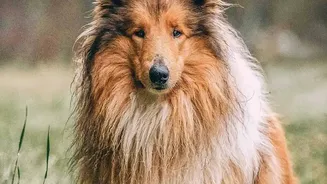
micro-environment. This is the perfect breeding ground for bacteria and yeast that normally live harmlessly on the skin to multiply out of control, leading to painful infections. Breeds with thick coats or skin folds, such as Labradors, German Shepherds, and Pugs, are particularly vulnerable. This condition, often called acute moist dermatitis or "hot spots," can appear suddenly as red, oozing, and painful lesions. The constant dampness is a primary trigger for these flare-ups, making proactive grooming essential.
The Daily Brushing Imperative
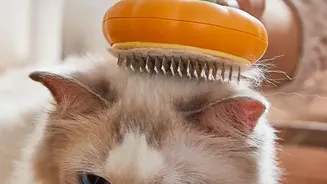
During drier months, brushing your pet once or twice a week might suffice. However, during the monsoon, daily brushing becomes non-negotiable. Regular brushing helps remove loose hair, dirt, and debris that can trap moisture and cause matting, especially in long-haired breeds. Matted fur prevents air from circulating to the skin, worsening the damp conditions that fungi and bacteria love. A daily grooming session also allows you to distribute the coat's natural oils, which helps maintain a healthy shine, and it provides an opportunity to check for any early signs of skin irritation, redness, or a musty odour that could signal a developing infection.
Bathing and Drying: Less Is More, But Drier Is Better
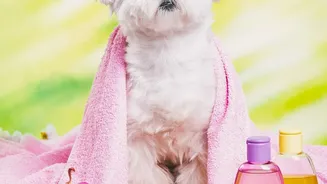
While it may seem intuitive to bathe a muddy pet frequently, over-bathing during the monsoon can be counterproductive. Too many baths strip the skin of its natural protective oils, leaving it more vulnerable to infections. Most veterinarians recommend bathing your pet only every two to three weeks unless they are exceptionally dirty. When you do give a bath, using a vet-recommended anti-fungal or antibacterial shampoo can help. The most critical step, however, is drying. Never let your pet air-dry. Use absorbent towels and a pet-safe blow dryer on a low heat setting to ensure their coat, especially the undercoat and areas like the armpits and belly, is completely dry.
Don't Forget Paws and Ears
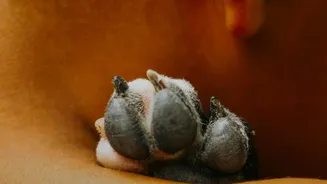
Paws are on the front line during the monsoon, constantly exposed to muddy puddles and wet surfaces. It's crucial to wash and dry your pet's paws thoroughly after every walk to remove dirt and potential bacteria. Trimming the hair between the paw pads can also help, as it reduces the amount of mud and moisture that gets trapped. Ears, particularly in floppy-eared breeds, are another hotspot for trouble. The humidity can lead to moisture buildup in the ear canal, creating an ideal environment for yeast and bacterial ear infections. Regular cleaning with a vet-approved solution can keep the ear canal dry and healthy.
Vigilance Against Parasites
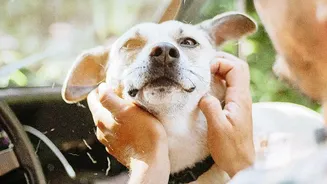
The warm, humid monsoon weather is a paradise for fleas and ticks. These parasites thrive in damp conditions and can lead to intense scratching, allergic reactions, and even transmit serious diseases like tick fever. Even indoor pets are not entirely safe, as these pests can be brought inside on shoes or clothing. Stick to your vet-recommended flea and tick prevention schedule without fail. Daily checks, especially after time spent outdoors, are a good habit. Run your hands over your pet's entire body, paying close attention to areas like the ears, neck, and between the toes. Washing your pet's bedding frequently in hot water also helps to eliminate any parasites that may have found their way into your home.