






The Gut-Brain Superhighway
You’ve probably heard phrases like “gut feeling” or felt “butterflies in your stomach.” These aren’t just metaphors; they describe a real, physical connection known as the gut-brain axis. This is a complex, two-way communication network linking your digestive
system directly to your brain. The vagus nerve, a major component of this axis, acts like a superhighway, sending signals back and forth. This constant crosstalk means that the state of your gut can influence your mood, stress levels, and cognitive functions like concentration. Similarly, feelings of stress or anxiety in the brain can trigger digestive issues, showing just how intertwined these two systems are.
What is Fermentable Fiber?
Dietary fiber is essential, but not all fiber is created equal. Fermentable fiber, also known as prebiotic fiber, is a specific type that your body can't digest on its own. Instead, it travels down to your colon, where it becomes the primary food source for the trillions of beneficial bacteria that make up your gut microbiome. Think of it as fertilizer for your internal garden. These microbes are crucial for health, helping to regulate everything from immunity to digestion. When you feed them well with fermentable fibers, they flourish, creating a healthier and more diverse gut ecosystem, which is a cornerstone of a well-functioning gut-brain axis.
The Fuel for a Better Mood
When your gut bacteria feast on fermentable fiber, they produce powerful compounds called short-chain fatty acids (SCFAs). Butyrate, propionate, and acetate are the three main SCFAs, and they are the real heroes of this story. These molecules do more than just support gut health; they travel throughout the body and can even cross the protective blood-brain barrier. Once in the brain, SCFAs have remarkable effects. They help reduce inflammation, protect brain cells, and influence the production of key neurotransmitters like serotonin and dopamine, which are critical for regulating mood, stress, and focus. In fact, about 95% of your body's serotonin is produced in the gut, and its availability is influenced by your gut bacteria. By eating fermentable fibers, you are directly providing the raw materials to create a more balanced and positive mental state.
Your Fermentable Fiber Shopping List
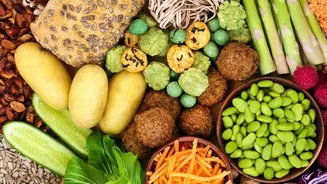
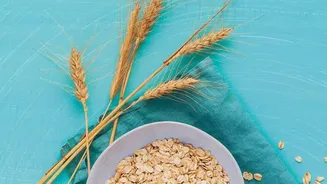
Boosting your intake of these beneficial fibers is simpler than it sounds. Many common and delicious foods are packed with them. The key is to focus on a variety of plant-based foods to nourish a wider range of healthy bacteria. Some of the best sources include: Vegetables: Onions, garlic, leeks, asparagus, artichokes, and savoy cabbage are all prebiotic powerhouses. Legumes: Lentils, chickpeas, black beans, and soybeans are excellent sources of both fiber and protein. Fruits: Apples, slightly under-ripe bananas, berries, and pomegranates provide a healthy dose. Whole Grains: Oats, barley, and rye contain beneficial fibers that your gut microbes love.* Root Vegetables: Yams and Jerusalem artichokes are also rich in these important nutrients.
How to Start Without the Discomfort
If your current diet is low in fiber, it's wise to increase your intake gradually. Suddenly adding a large amount of fermentable fiber can lead to temporary gas and bloating as your gut microbiome adjusts to its new, healthier food supply. Start by adding one new high-fiber food every few days and be sure to drink plenty of water, which helps fiber do its job effectively. For example, you could start by adding oats to your breakfast, then introduce lentils to a soup later in the week. A slow and steady approach will allow your digestive system to adapt, minimizing discomfort while you begin to reap the mental and physical rewards.