


What Is the Current Situation?
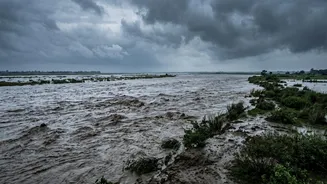
Right now, the situation is critical and being watched hourly. Following devastating flash floods in Nepal on August 26, which were reportedly triggered by a glacial lake outburst or an avalanche near the Tibet border, authorities in India are on high
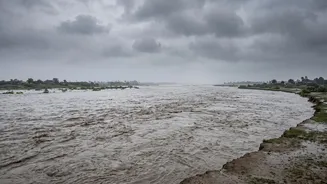
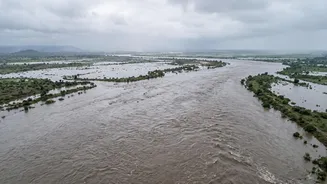
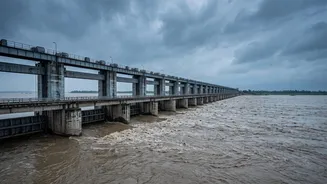
alert. The immediate concern is the Gandak river, which is fed by the Trishuli and Bhote Koshi rivers in Nepal where the disaster occurred. In response, Bihar and Uttar Pradesh have activated emergency protocols in districts bordering Nepal. Bihar has sounded an alert in nine northern districts, including West Champaran, East Champaran, Gopalganj, and Supaul. In West Champaran, all 36 gates of the Valmikinagar Barrage on the Gandak were opened to manage the surge of water. By the night of August 26, around 1.5 lakh cusecs of water were released from the barrage. Evacuations of people from low-lying and riverine areas have already begun in districts like West Champaran.
Why Nepal's Rains Are India's Concern
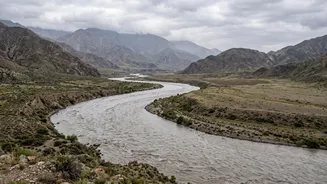
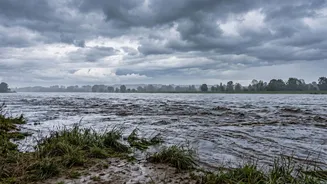
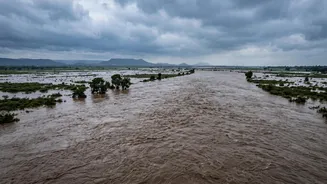
The geography of the region makes northern India highly vulnerable to rainfall in Nepal. Major river systems, including the Kosi, Gandak, Bagmati, and Ghaghara, originate in the high Himalayas. During the monsoon, they collect massive volumes of water as they carve their way down the mountains. They then emerge onto the flat, densely populated Gangetic plains of Bihar and eastern Uttar Pradesh. When a sudden, intense burst of rain or a flash flood event occurs in Nepal's catchment areas, that water has nowhere to go but downstream, often arriving with immense force and little warning. This creates a perennial threat, turning the rivers from lifelines into sources of destruction. This dynamic is a yearly occurrence, but its severity depends on the intensity and location of the rainfall in Nepal's hills.
The Gandak and Kosi: Rivers of Focus
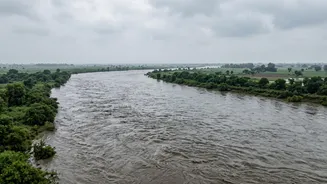
While several rivers are being monitored, the immediate focus is on the Gandak. The recent flash floods in Nepal occurred within its catchment area. In Uttar Pradesh, the districts of Maharajganj and Kushinagar, which lie along the Gandak (known as the Narayani in Nepal), have been specifically directed to heighten their vigilance. The other major river is the Kosi, famously known as the "Sorrow of Bihar" for its history of catastrophic floods and for frequently changing its course. While reports on August 26 indicated that the Kosi's water level was showing a decline and its embankments were safe, authorities are still keeping a close watch. The antsy relationship between these rivers and the plains is managed through a series of barrages and embankments, governed by treaties between India and Nepal. The barrages, like the one at Valmikinagar on the Gandak, are crucial for controlling the flow of water during emergencies.
What Are Authorities Doing?
The response has been swift and coordinated at both the central and state levels. Union Home Minister Amit Shah has spoken with the Chief Ministers of Bihar and Uttar Pradesh, assuring them of all possible help from the Centre. National Disaster Response Force (NDRF) teams have been deployed to vulnerable districts in both states. Leave for engineers and staff of Bihar's Water Resources Department has been cancelled, and they are conducting round-the-clock surveillance of embankments. In affected areas, residents are being alerted via public announcements, and evacuations are underway in the most at-risk villages. There is a constant, real-time exchange of hydrological data between Indian and Nepalese officials to monitor the flow and provide advance warning. While the Central Water Commission has noted that water levels on the Nepal side are receding, the alert remains active as the surge moves downstream.