




First, Check the Serving Size
Before you get drawn in by bold claims on the front of the pack, flip it over and find the Nutrition Facts panel. The first thing to check is the ‘serving size’. All the numbers that follow, including the grams of protein, are based on that specific amount.
A package might boast 20 grams of protein, but if the serving size is the entire container and you only plan to eat half, you’ll need to adjust your expectations. This simple check is the foundation of mindful consumption, ensuring you know exactly how much you're actually eating.
‘High Protein’ vs. ‘Source of Protein’
Terms like ‘high in protein’ or ‘a good source of protein’ are not just marketing fluff; they are regulated claims. In India, the Food Safety and Standards Authority of India (FSSAI) has specific rules for these labels. For a product to be called a ‘source of protein’, it must contain at least 10% of the Recommended Dietary Allowance (RDA) for protein. To earn the label ‘high in protein’, it must contain at least 20% of the RDA. These regulations help you quickly gauge a product's protein density. However, remember that these claims don't tell the whole story about the food's overall nutritional quality, so always look beyond these front-of-pack highlights.
Decoding Protein Powders: Isolate, Concentrate, and Hydrolyzed
If you use protein supplements, you’ll encounter terms that describe how the protein has been processed. Whey and casein, both derived from milk, are the most common, but these terms apply to plant-based proteins too. Concentrate: This is the least processed form. It typically contains about 70-80% protein, with the remainder being fats and carbohydrates, including lactose. It's often the most affordable option. Isolate: This form undergoes further filtration to remove most of the fats and lactose, resulting in a purer protein that is at least 90% protein by weight. This makes it a good choice for people with lactose intolerance or those looking for a leaner option. * Hydrolyzed: This protein has been broken down into smaller particles, a process similar to pre-digestion, which may allow for faster absorption. It's often the most expensive option and can sometimes have a slightly bitter taste due to the processing.
Understanding Protein Sources
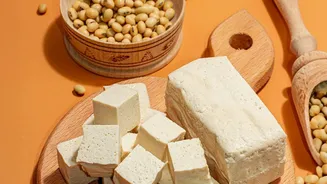
The ingredient list tells you where the protein comes from. Common sources include whey, casein, egg, and plant-based options like soy, pea, and rice. The type of protein matters, particularly when it comes to its amino acid profile. Amino acids are the building blocks of protein, and nine of them are 'essential,' meaning our bodies can't make them, so we must get them from food. Plant-based proteins are often 'incomplete', meaning they might be low in one or more of these essential amino acids. However, eating a variety of plant-based sources throughout the day—like beans with rice or lentils with bread—can provide all the necessary amino acids.
Putting It All Together for Mindful Choices
Mindful eating isn't just about hitting a certain protein number; it’s about being present and making conscious choices that nourish your body and bring you satisfaction. Understanding labels is a powerful tool in this practice. It allows you to see past the flashy marketing and choose products that align with your personal health goals, dietary preferences, and values. Whether you're looking for a post-workout recovery shake, a convenient snack, or simply trying to incorporate more protein into your meals, being an informed consumer is the first step. By learning to decipher these labels, you empower yourself to build a more intentional and enjoyable relationship with food.