





A Sweet Spectacle in the Capital
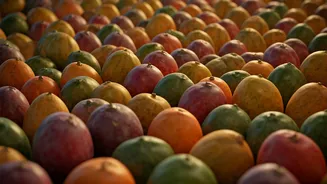
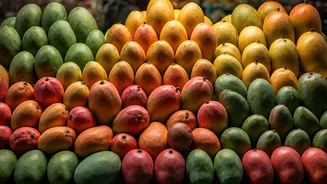
The annual Delhi Mango Festival is a sensory overload in the best possible way. The air hangs thick with the intoxicating perfume of ripe mangoes, and stalls overflow with hundreds of varieties, from the famed Alphonso to the hefty Langra. Yet, year after
year, visitors flock to the stalls showcasing the Dasheri. This year was no different. Crowds gathered to sample its nectar-like sweetness, with many leaving with boxes tucked under their arms. While other mangoes have their staunch loyalists, the Dasheri’s widespread appeal was palpable. It wasn’t just a transaction; it was a reunion with a taste that defines summer for millions across North India.
What Makes a Dasheri, a Dasheri?
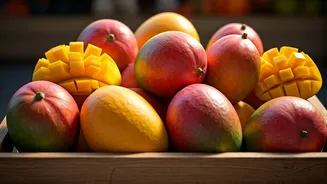
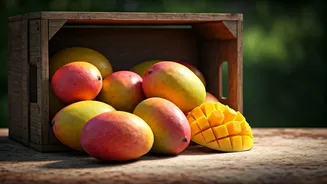
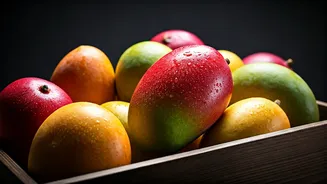
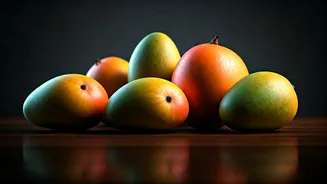
So, what’s the secret? For the uninitiated, the Dasheri’s charm lies in its perfect balance. It’s exceptionally sweet without being cloying, and its aroma is subtle yet distinct. The flesh is a vibrant yellow-orange, and most importantly, it is almost entirely fibreless. This makes for a clean, melt-in-your-mouth eating experience, without the stringy mess that can sometimes accompany other varieties. Its thin skin peels away easily, revealing the luscious fruit within. Unlike the Alphonso, which has a richer, more complex flavour profile, the Dasheri offers a pure, uncomplicated sweetness that is both refreshing and deeply satisfying. It’s the kind of mango you can eat several of in one sitting and still want more.
A Royal Legacy from Malihabad
The Dasheri mango isn't just a fruit; it's a piece of living history. Its story begins in the 18th century in the orchards of Malihabad, near Lucknow in Uttar Pradesh. Legend has it that all Dasheri mangoes today trace their lineage back to a single, magnificent 200-year-old 'mother tree' that still stands in the village of Dasheri, from which the fruit gets its name. This tree is a protected monument and a source of immense pride for the region. This heritage lends a certain romance to the fruit. When you eat a Dasheri, you are not just tasting a mango; you are partaking in a legacy cultivated over generations. This connection to its roots gives it an authenticity that resonates deeply with people.
The GI Tag: A Mark of Excellence
The popularity of the Dasheri is backed by a seal of quality. The 'Malihabadi Dasheri' was granted a Geographical Indication (GI) tag in 2010. This tag is a form of intellectual property that recognizes the mango's unique qualities are intrinsically linked to its geographical origin in the Malihabad region. It protects the livelihood of thousands of farmers and ensures that when you buy a Malihabadi Dasheri, you are getting the genuine article. This official recognition has not only boosted its prestige but has also helped in standardising its quality for both domestic consumption and export. It’s a guarantee that the unique soil, water, and climate of the region have worked their magic to produce this specific, beloved flavour.
More Than Just a Fruit
Ultimately, the Dasheri’s victory at festivals like the one in Delhi is about more than just taste. It’s about cultural connection and memory. For many, the arrival of Dasheri mangoes signals the true beginning of summer holidays and family gatherings. It’s the mango of choice for making aamras, for slicing up after a meal, or for simply sucking the pulp directly from the stone. It's an accessible luxury, less expensive than some of its counterparts but delivering a consistently premium experience. This combination of superior taste, rich history, and cultural resonance makes it a true 'people's mango'—a king crowned not by critics, but by the hearts and palates of the masses.