






Load Up on Vitamin C
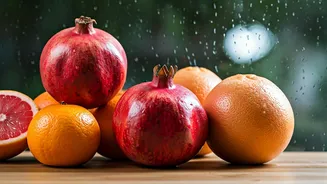
The rainy season often coincides with cold and flu season, making immune support a top priority. Vitamin C is a well-known antioxidant that plays a crucial role in strengthening your body's natural defenses. While it may not prevent a cold outright, studies
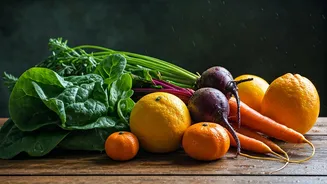
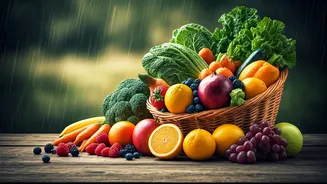
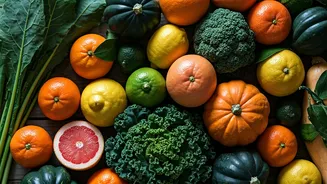
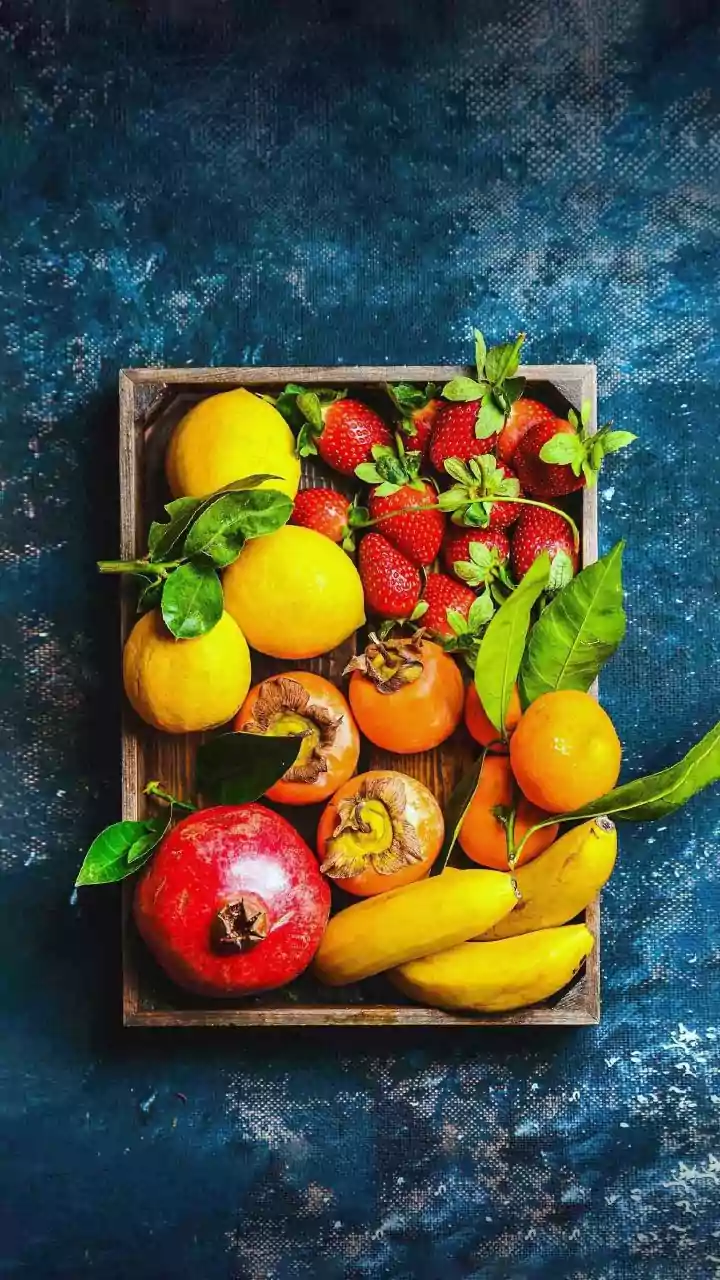
suggest it can reduce the severity and duration of illnesses. Instead of just reaching for an orange, diversify your intake with other potent sources. Bell peppers (especially red ones), broccoli, strawberries, and leafy greens like kale are all packed with this essential nutrient. Incorporating these into your daily salads, stir-fries, and smoothies is a simple way to keep your immune cells firing on all cylinders.
Find Your Sunshine with Vitamin D
Fewer sunny days mean less natural production of Vitamin D, the “sunshine vitamin,” which is critical for both immune function and mood regulation. Low levels of Vitamin D have been linked to seasonal affective disorder (SAD), a type of depression related to changes in seasons. While supplements are a common solution, you can also get a boost from your diet. Fatty fish like salmon and mackerel are excellent sources. Fortified foods are also your friend here; look for fortified milk (dairy or plant-based), orange juice, and breakfast cereals. A bowl of fortified cereal or a piece of grilled salmon for dinner can help compensate for the lack of sunlight.
Boost Your Mood with Omega-3s
If the gloomy weather has you feeling down, consider adding more omega-3 fatty acids to your diet. These healthy fats are concentrated in the brain and are known to play a significant role in mental health and mood regulation. They help reduce inflammation and interact with mood-related molecules. The best source is fatty fish such as salmon, herring, sardines, and trout. For plant-based options, turn to walnuts, chia seeds, and flaxseeds. Sprinkling a tablespoon of ground flaxseed over your oatmeal or adding a handful of walnuts to your salad are easy ways to get these brain-boosting benefits.
Choose Complex Carbs for Comfort
It’s natural to crave comfort foods on a cold, rainy day. The key is to choose the right kind of comfort. Complex carbohydrates, like those found in whole grains, legumes, and starchy vegetables, can help boost levels of serotonin in your brain. Serotonin is a neurotransmitter that promotes feelings of well-being and happiness. Unlike simple carbs (sugary snacks, white bread) that cause a quick spike and crash, complex carbs provide a steady, sustained release of energy and a more stable mood lift. Opt for a bowl of oatmeal, lentil soup, or a side of sweet potato to get your comforting, mood-stabilizing fix.
Harness the Power of Zinc
Zinc is another mineral that's vital for a healthy immune system, yet it often gets less attention than Vitamin C. It's essential for the normal development and function of the cells that mediate your immune response. A zinc deficiency can make you more susceptible to getting sick. Fortunately, it's easy to find in a variety of foods. Oysters are the most potent source, but you can also get plenty from beef, poultry, and pork. For vegetarians and vegans, good sources include beans, nuts, pumpkin seeds, and fortified cereals. A handful of pumpkin seeds as a snack is a great way to top up your zinc levels.
Embrace Warm, Hydrating Foods
There's a reason soup is a rainy-day staple. A warm bowl of broth-based soup does more than just warm you up—it also helps you stay hydrated. Dehydration can lead to fatigue, headaches, and a weakened immune response. Soups and stews are a fantastic vehicle for packing in a wide array of vegetables, lean proteins, and whole grains, delivering a nutritional powerhouse in one comforting meal. Think chicken noodle soup, minestrone, or a hearty black bean soup. Sipping on herbal teas throughout the day is another excellent way to stay warm and hydrated without adding calories or sugar.