






Oranges: The Nagpur Superstar
Winter in India is synonymous with the sweet, tangy flavour of oranges, and none are more famous than those from Nagpur. This region in Maharashtra has earned the title 'Orange City' for its extensive cultivation of mandarin oranges. The winter crop,
known as the 'Mrig bahar', is harvested from February to March and is particularly sweet due to ripening in the clear sunshine. Another crop, the 'Ambia bahar', arrives earlier, from October to December. Loaded with Vitamin C, oranges are a perfect choice for boosting immunity during the colder months. While Nagpur is the epicentre, citrus fruits like Kinnow are also widely available in North India, especially in Punjab.
Guava: The Northern Powerhouse
Crisp, fragrant, and incredibly versatile, the guava is a winter staple, particularly in North India. States like Uttar Pradesh and Madhya Pradesh are leading producers of this fibre-rich fruit. While guava is available during other times of the year, the winter crop, harvested from November to December, is considered the best in quality, offering a superior taste and texture. Rich in Vitamin C and dietary fibre, guavas are excellent for digestion and are often enjoyed fresh with a sprinkle of salt and spices. Their availability extends to other regions as well, with different harvesting peaks; for example, Tamil Nadu sees guava seasons from April to May and again from October to November.
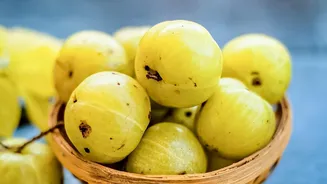
Indian Gooseberry (Amla): The Winter Tonic
Amla is a true winter superfood, revered for its immense health benefits. Its season generally runs from October to February, making it a fixture in markets during the coolest months. This small, green, and intensely sour fruit is one of the most potent natural sources of Vitamin C, traditionally used to ward off colds and boost immunity. Major production comes from states like Uttar Pradesh, Gujarat, and Rajasthan. In North India, the harvest peaks in December and January. Due to its tartness, amla is often consumed in processed forms like pickles (achaar), sweet preserves (murabba), juices, or simply dried.
Custard Apple (Sitaphal): The Creamy Delight
With its unique knobbly green skin and sweet, creamy pulp, the custard apple, or sitaphal, is a much-awaited seasonal treat. Its peak season aligns perfectly with the cooler months, generally running from September through February. Maharashtra is the leading producer of sitaphal in India, with the variety from Beed in the Marathwada region even earning a GI tag. This fruit has a delicate flavour reminiscent of vanilla and pear. It's rich in nutrients and antioxidants. While it's delicious on its own, the pulp is laboriously separated from its black seeds to create popular desserts like ice cream and rabdi.
Strawberries: The Hills' Sweet Surprise
Though not a traditional Indian fruit, strawberries have found a perfect home in the cool climates of certain hill stations. Mahabaleshwar in Maharashtra is the undisputed strawberry capital of India, contributing to over 85% of the country's production. The season here begins in December and lasts until March. The peak time for the sweetest, juiciest berries is from January to February, when farms are bustling with activity and many host 'pick-your-own' experiences for tourists. These vibrant red berries are packed with Vitamin C and antioxidants, making them a healthy and delicious winter indulgence.