



Beyond the Baga Buzz
For many, Goa is synonymous with the bustling beaches of Baga and Calangute, where vibrant shacks compete for attention and the energy is palpable day and night. While this electric atmosphere has its appeal, it represents only one facet of Goa's identity.
The true soul of the state often lies further inland, in its hinterlands, where life moves at a slower, more deliberate pace. This is the Goa of 451 years of Portuguese influence, a place of cultural synthesis that has produced unique architecture, cuisine, and a village-centric way of life that thrives away from the main tourist circuit. Swapping the crowded shoreline for these serene landscapes isn't about missing out; it's about discovering a richer, more authentic experience that connects you to the state's deep history and natural beauty.
Island Hopping, Slow-Mo Style
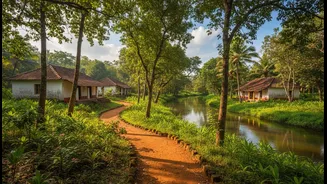
Just a short, charming ferry ride across the Mandovi River from Old Goa or Panaji lie the river islands of Divar and Chorao, offering a glimpse into a Goa that feels wonderfully preserved in time. Divar Island is a scenic retreat known for its quiet, winding lanes, whitewashed churches, and grand Indo-Portuguese homes. It’s a place made for aimless wandering, whether by bicycle or on foot, with paddy fields stretching out on all sides. Chorao, the largest of the islands, is a haven for nature lovers. It is home to the Dr. Salim Ali Bird Sanctuary, a vast mangrove wetland best explored by canoe at dawn, where you can spot a rich concentration of resident and migratory birds. These islands are not just destinations but experiences, offering a peaceful respite from the coastal crowds.
A Walk Through Living History
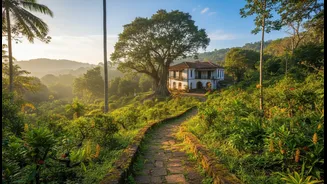
South Goa’s interior is dotted with heritage villages that serve as living museums of its colonial past. Chandor, about nine kilometers from Margao, is arguably the most significant. This quiet village is home to the Menezes-Braganza House, a spectacular 17th-century mansion that is still partly inhabited by the descendants of the original aristocratic family. A tour here, often led by a family member, provides a personal connection to Goa's history. Nearby, the village of Loutolim offers another window into the past with attractions like the Ancestral Goa museum, which features life-size sculptures depicting traditional village life. These villages, with their unrestored mansions and sleepy pace, offer a more authentic feel of old-world Goa than the polished streets of Panjim's Latin Quarter.
The Aromatic World of Spice Plantations
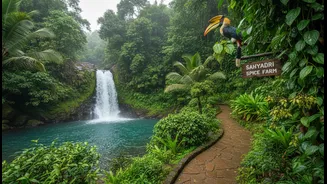
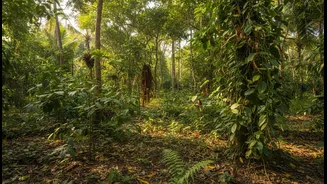
Tucked away in the green hills around Ponda are Goa's famous spice plantations. A visit to farms like Sahakari Spice Farm or Tropical Spice Plantation offers a multisensory journey into the region's agricultural heart. Guided tours walk you through groves of cardamom, vanilla, cinnamon, and pepper, explaining their cultivation and medicinal uses. The experience is about more than just seeing the spices grow; it’s an immersion in a lush, eco-friendly environment. Most tours conclude with a traditional Goan meal, often served on a banana leaf, featuring dishes prepared with the farm's fresh spices. It's a flavorful and educational escape that showcases the fragrant bounty of Goa's fertile landscape.
Waterfalls and Wildlife Sanctuaries
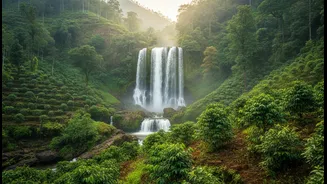
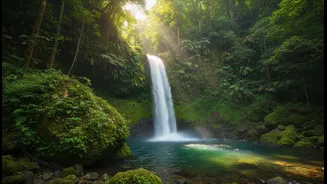
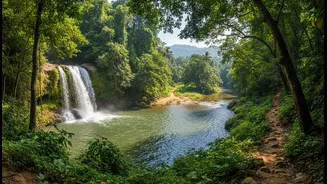
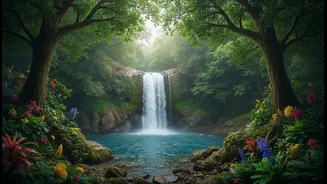
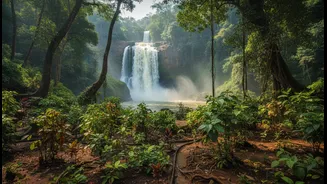
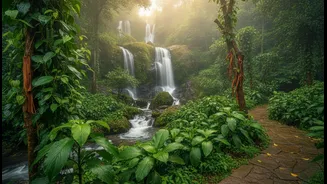
The Goan countryside is also a sanctuary for nature and adventure lovers. The Bhagwan Mahavir Wildlife Sanctuary, the state's largest protected forest area, is a world away from the coast, home to diverse wildlife including deer and exotic birds. Within this sanctuary lies the famous Dudhsagar Falls, a spectacular four-tiered waterfall that becomes a thundering spectacle during the monsoon season. For those seeking quieter natural spots, the Netravali Wildlife Sanctuary offers serene forest trails perfect for trekking. Exploring these green havens reveals Goa’s rich biodiversity and offers a refreshing dose of adventure, proving the state’s natural wonders extend far beyond its sandy shores.