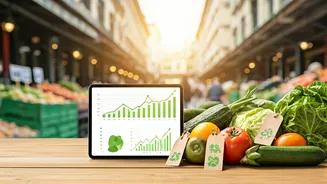









The Shift in the Indian Shopper’s Cart
The most compelling evidence of this shift isn’t in global reports; it’s in our daily choices. A few years ago, carrying a cloth bag to the grocery store was a conscious, sometimes forgotten, effort. Today, it’s a reflex for millions. This change is mirrored
in purchasing patterns across the country. Consumers are actively seeking out products with clean labels, minimal packaging, and transparent sourcing. According to multiple market studies, a significant number of urban Indian consumers now state they are willing to pay a premium for sustainable products. This isn't just about feeling good; it's about a fundamental re-evaluation of value. Health, wellness, and environmental impact are becoming as important as price and brand recognition. This demand has fuelled a boom in homegrown, direct-to-consumer (D2C) brands offering everything from bamboo toothbrushes and chemical-free cleaners to organic cotton clothing, all marketed on a platform of conscious consumption.
Supermarket Aisles Tell the Story
Walk into any major supermarket today, and you’ll see the trend writ large. Entire sections are now dedicated to organic produce, a category once relegated to specialty stores. The snack aisle, long dominated by potato chips, is now flush with alternatives made from millets, ragi, and quinoa—grains celebrated for their lower water footprint and higher nutritional value. The government’s push for millets as 'superfoods' has aligned perfectly with this consumer demand for healthier, more sustainable options. Even packaging is undergoing a revolution. Brands are increasingly highlighting their use of recycled materials or reduced plastic, knowing it’s a key selling point. The rise of 'bring your own container' initiatives at local stores and the visible shift away from single-use plastics are not just policy-driven; they are a direct response to a market that is voting with its wallet.
Corporates Are Finally Catching Up
For decades, corporate sustainability was often little more than a box-ticking exercise confined to an annual report. That has changed dramatically. Today, major Indian conglomerates and multinational corporations are embedding sustainability into their core business strategies, not just for public relations but for survival and growth. Why? Because investors and consumers are demanding it. The language of business now includes ESG (Environmental, Social, and Governance) metrics, which are used to assess a company’s long-term viability. A company with a poor environmental record is now seen as a riskier investment. This pressure has led to tangible changes: companies are investing in renewable energy to power their factories, redesigning supply chains to reduce waste, and launching entire product lines focused on eco-consciousness. This corporate pivot is perhaps the strongest signal that green is no longer a CSR activity but a fundamental pillar of modern commerce.
Beyond the Shopping Bag
The mainstreaming of green living extends far beyond consumer goods. Look at our roads. The proliferation of electric vehicles (EVs)—from two-wheelers to luxury cars—is one of the most visible markers of this trend. Boosted by government subsidies and a growing charging infrastructure, EVs are transitioning from a novelty to a practical choice for daily commuting. In real estate, 'green buildings' with features like rainwater harvesting, solar panels, and better energy efficiency are commanding a premium. Homebuyers are beginning to ask questions about a property's carbon footprint and long-term utility costs. This indicates a deeper, more permanent integration of sustainability principles into major life decisions and long-term investments, proving the movement has matured far beyond simple lifestyle tweaks.