





The Twin Engines of Gold Demand
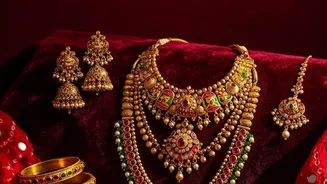
In India, the demand for gold is famously powered by two cultural cornerstones: the festive season and the wedding season. The World Gold Council has consistently highlighted that weddings alone account for approximately half of the country's annual gold consumption.
Festivals like Dhanteras, Diwali, and Akshaya Tritiya create sharp peaks in buying activity as purchasing gold on these days is considered auspicious. Often, these two periods overlap, with the festive season in the latter half of the year leading directly into the peak wedding months that typically begin around November and extend into the new year. This confluence creates a sustained period of heightened activity for jewellers, who begin stocking up and anticipating orders weeks or even months in advance. This predictable cycle of demand, rooted deep in cultural tradition, makes India the world's second-largest consumer of gold after China.
Beyond Impulse: The Rise of Advance Bookings
While festive buying can often be spontaneous, the recent surge in gold demand reveals a more calculated approach from consumers. A significant portion of the current market strength comes from advance orders placed for weddings scheduled in the coming months. This isn't just a handful of families planning ahead; it’s a widespread trend that provides crucial stability to the market. Jewellers across the country, from large national chains to local players, are promoting advance booking schemes. These plans allow customers to book their jewellery by paying a deposit, either based on a certain gold weight or a fixed value. This trend indicates a shift in consumer behaviour, moving from purely emotional, festive purchases towards more structured, long-term financial planning for what is often a family's largest single discretionary expense.
The Consumer's Advantage: Hedging and Planning
For families planning a wedding, the logic of booking gold in advance is compelling. Firstly, it allows them to hedge against price volatility. Many jewellers offer plans where the customer gets to purchase the gold at the booked rate or the prevailing market rate on the day of purchase, whichever is lower. This provides a valuable safety net in a market where prices have seen significant fluctuations. Secondly, it aids in budgeting. By paying in monthly instalments or making a single advance payment, families can spread the financial burden over several months, making the substantial cost of wedding jewellery more manageable. These schemes often come with added benefits, such as discounts or complete waivers on making charges, which can be a significant saving. This makes advance planning not just a matter of convenience, but a smart financial strategy.
A Lifeline for Jewellers
This trend is just as beneficial for the businesses. Advance orders provide jewellers with a clear and predictable demand pipeline, which is invaluable in a seasonally driven industry. It helps them manage their inventory more efficiently, ensuring they have the right amount of stock without tying up excessive capital. Furthermore, the inflow of advance payments improves cash flow, allowing them to fund operations and procure raw materials smoothly. This predictability extends to their artisans and supply chains. Knowing the volume and type of jewellery needed in advance allows for better production planning, ensuring that intricate, custom bridal pieces are ready on time. By smoothing out the sharp peaks and troughs of seasonal demand, advance bookings create a more stable and resilient business environment for the entire gems and jewellery sector.