
The Morning Plate Makeover
For years, the urban Indian breakfast seemed to be heading in one direction: quick, convenient, and Western. Cereals, oats, and bread dominated morning routines, especially for a generation on the move. But a fascinating shift is underway. Across cities
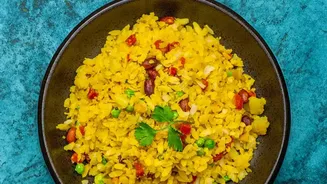
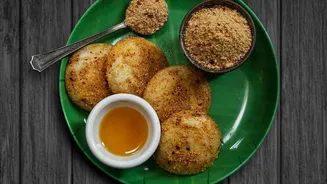
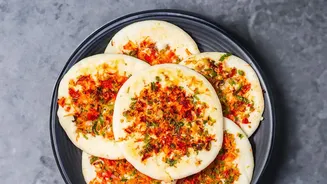
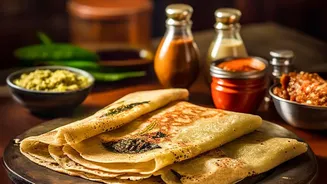
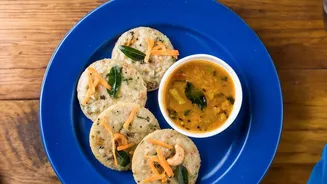
like Mumbai, Bengaluru, and Delhi, a new breakfast crowd is emerging, and their plates look decidedly more traditional. We're talking about the humble poha, once a Maharashtrian staple, now a nationwide favourite for its light-yet-filling nature. Further south, the appeal of fluffy idlis, crisp dosas, and hearty appams with flavourful stews is crossing state lines, finding fans far from their origins. It's a culinary homecoming, where young professionals and students are choosing dishes their grandparents might have eaten, but with a modern appreciation for their taste and nutritional value. This isn't just about nostalgia; it’s an active choice for flavour and substance over processed convenience.
Driven by Health and Authenticity
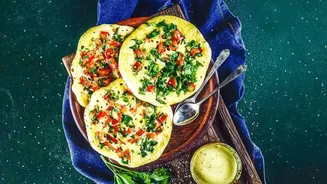
So, what’s fuelling this change? A major driver is a growing consciousness around health and wellness. Today’s young consumers are more discerning than ever. They read labels, track their nutrition, and are wary of the hidden sugars and preservatives in many packaged breakfast options. Regional Indian breakfasts, often made from fermented batters, whole grains like millets, and packed with vegetables and lentils, fit perfectly into this clean-eating mindset. Dishes like ragi dosas, millet upma, and besan chilla offer a powerful combination of protein and fibre. Beyond health, there's a deeper search for authenticity. In a globalised world, connecting with one's roots offers a sense of identity. Food is one of the most powerful ways to do that. For a generation that grew up with global fast-food chains, exploring the rich tapestry of India's own culinary heritage feels both novel and deeply personal.
From Home Kitchens to Trendy Cafes
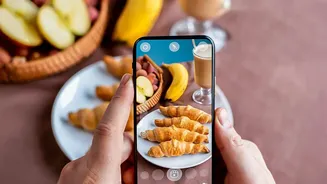
This trend isn't just confined to home cooking. It's playing out visibly in India’s vibrant cafe culture. Once the domain of croissants, muffins, and English breakfasts, urban cafes are now proudly putting regional specialities on their menus. In cities like Pune and Kolkata, new-age cafes are crafting innovative dishes inspired by traditional recipes, like savoury corn pancakes based on the 'cheela' format or congee made with local heritage rice. Historic establishments known for their South Indian tiffins, like Café Madras in Mumbai, are seeing renewed interest from a younger clientele. Even multi-regional restaurants are gaining ground, creating dining experiences that celebrate the breadth of Indian cuisine under one roof. This commercial embrace validates the trend, making regional food not just a homely comfort but a trendy choice for a weekend brunch.
The Social Media Effect
You can't talk about a modern food trend without mentioning social media. Platforms like Instagram have played a huge role in making regional breakfasts aspirational. Food bloggers and influencers have become digital tastemakers, showcasing the beauty of a perfectly plated masala dosa or the vibrant yellow of a well-made poha. A beautifully shot reel of 'puttu and kadala' curry from Kerala can spark curiosity in someone in Punjab. This visual storytelling transforms traditional dishes from everyday fare into something worth seeking out and sharing. Hashtags turn local specialties into national conversations, encouraging a culture of culinary exploration. When a dish is photogenic and comes with a story of tradition and health, it's a winning combination for the social media generation, which values experiences as much as the food itself.