


The End of the 'One-Wear' Wardrobe
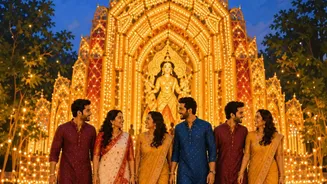
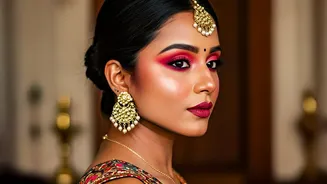
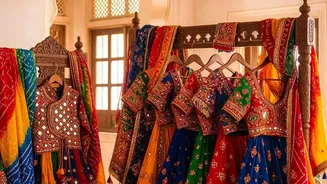
For years, the Indian social calendar, dense with weddings and festivals, created a unique pressure to constantly present a new look. The rise of social media amplified this, turning every event into a photo opportunity and making 'outfit repeating' a perceived
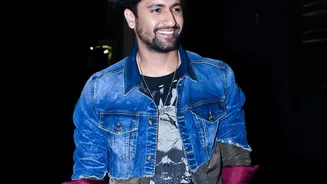
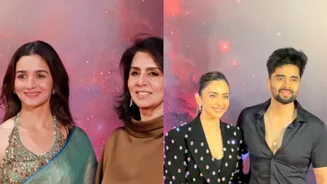
fashion sin. This mindset drove a culture of fast fashion and one-time-wear purchases that were not sustainable for our wallets or the planet. However, the tide is turning. Influential Bollywood celebrities like Deepika Padukone, Alia Bhatt, and Sara Ali Khan are now frequently and proudly re-wearing their favourite pieces, from sarees to anarkalis, proving that great style has longevity. Their actions send a powerful message: confidence is the best outfit, and a beloved garment deserves to be worn more than once.
What Are These 'Relaxed Basics'?
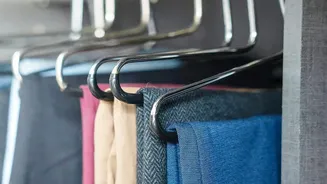
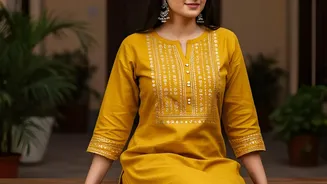
The foundation of this new approach is the embrace of relaxed and versatile basics. These aren't boring clothes; they are thoughtfully designed essentials that form the backbone of a modern Indian wardrobe. Think of high-quality, straight-cut kurtas in neutral colours like black, white, or navy that can be paired with anything from denim to palazzos. Other staples include breezy co-ord sets, well-fitting cigarette trousers, timeless handloom sarees, and classic blouses. The focus is on clean silhouettes, breathable fabrics like cotton and linen, and craftsmanship that lasts. These pieces are designed to be mixed, matched, and layered, offering endless styling possibilities without sacrificing comfort or elegance.
The Driving Forces of Change
Several factors are fuelling this shift. Firstly, there's a growing consciousness around sustainability. Indian consumers, particularly the younger generation, are more aware of the environmental impact of fast fashion and are actively seeking eco-friendly alternatives. This has boosted homegrown brands that champion slow fashion, using organic materials, natural dyes, and supporting local artisans. Secondly, the post-pandemic world has cemented a collective desire for comfort. We've moved away from restrictive clothing towards relaxed, functional pieces that fit our daily lives. Finally, it simply makes economic sense. In an era of rising costs, investing in quality pieces that can be worn repeatedly is a smarter financial decision than buying disposable trends.
Indian Brands Leading the Way
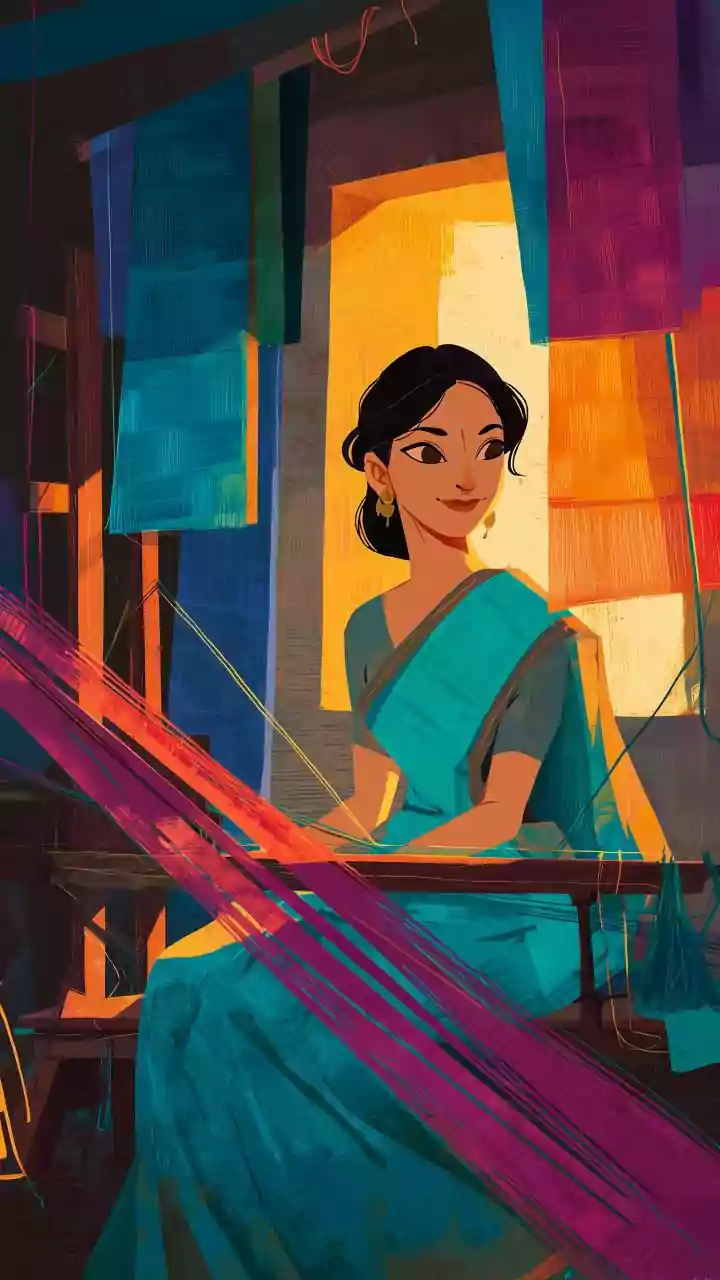
A new wave of Indian fashion brands is at the forefront of this movement, rejecting fleeting trends in favour of timeless design. Labels like Nicobar, Anomaly, and The Summer House have built their philosophy around minimalism and functionality. Brands such as Fabindia have long championed handcrafted textiles, while newer names like No Nasties, Doodlage, and Buna are pushing the boundaries of sustainable fashion by using organic cotton, recycled materials, and zero-waste patterns. These brands prove that responsible fashion can be chic and modern, offering pieces that are meant to be loved and worn for years, not just a single season.
How to Build a Versatile Wardrobe
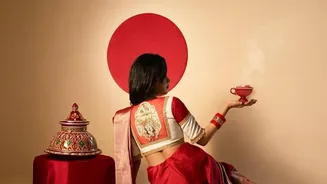
Embracing outfit repeating starts with a shift in mindset—from 'What's new?' to 'What can I create?'. The secret is in the styling. A single kurta set can be transformed with a different dupatta, statement jewellery, or a change in footwear. A classic linen saree might be dressed up with a silk blouse for a wedding, then worn with a simple cotton top for a casual brunch. The goal isn't to hide that you're re-wearing a piece, but to showcase its versatility. Start by investing in a few high-quality basics: a well-made white chikankari kurti, a pair of black straight-cut trousers, a versatile handloom saree, and a statement dupatta. These items can be the foundation for dozens of unique looks, proving that you don't need a massive wardrobe to have great style.