


A Burst of Fresh Flavour
The most immediate reason for this trend is taste. Anyone who has crushed a fresh curry leaf or plucked a sprig of mint for their tea knows the difference. Store-bought herbs, often wrapped in plastic, simply cannot compare to the vibrant, aromatic punch
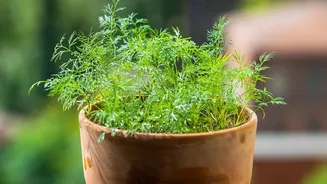
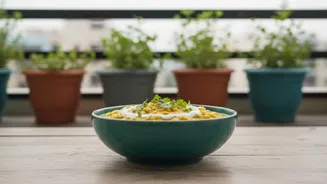
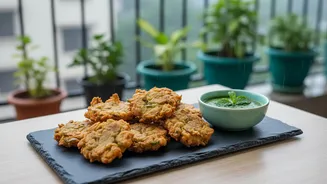
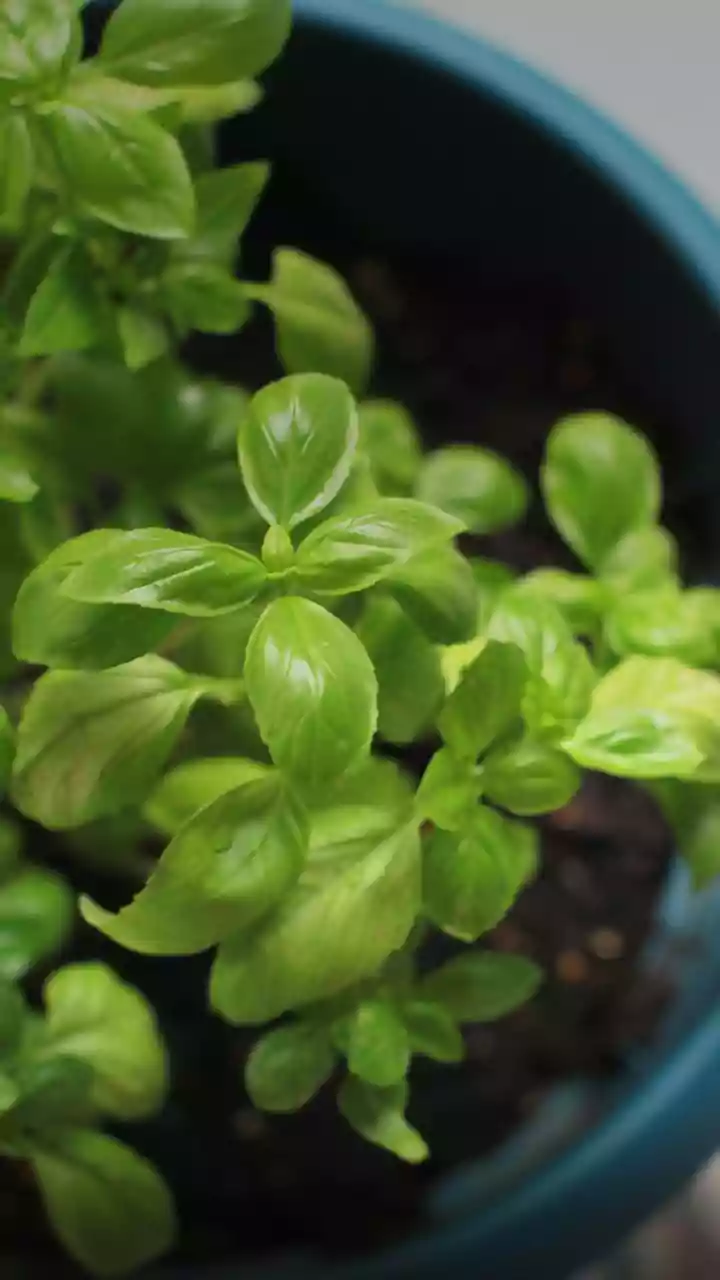
of something harvested moments before cooking. Indian cuisine, with its reliance on fresh chutneys, garnishes, and spice blends, is perfectly suited for a home herb garden. Having a steady supply of coriander, mint, and tulsi means elevating everyday meals without a trip to the store. This instant access to flavour is transforming urban kitchens, making it easier than ever to add a professional touch to home-cooked food.
A Dose of Daily Wellness
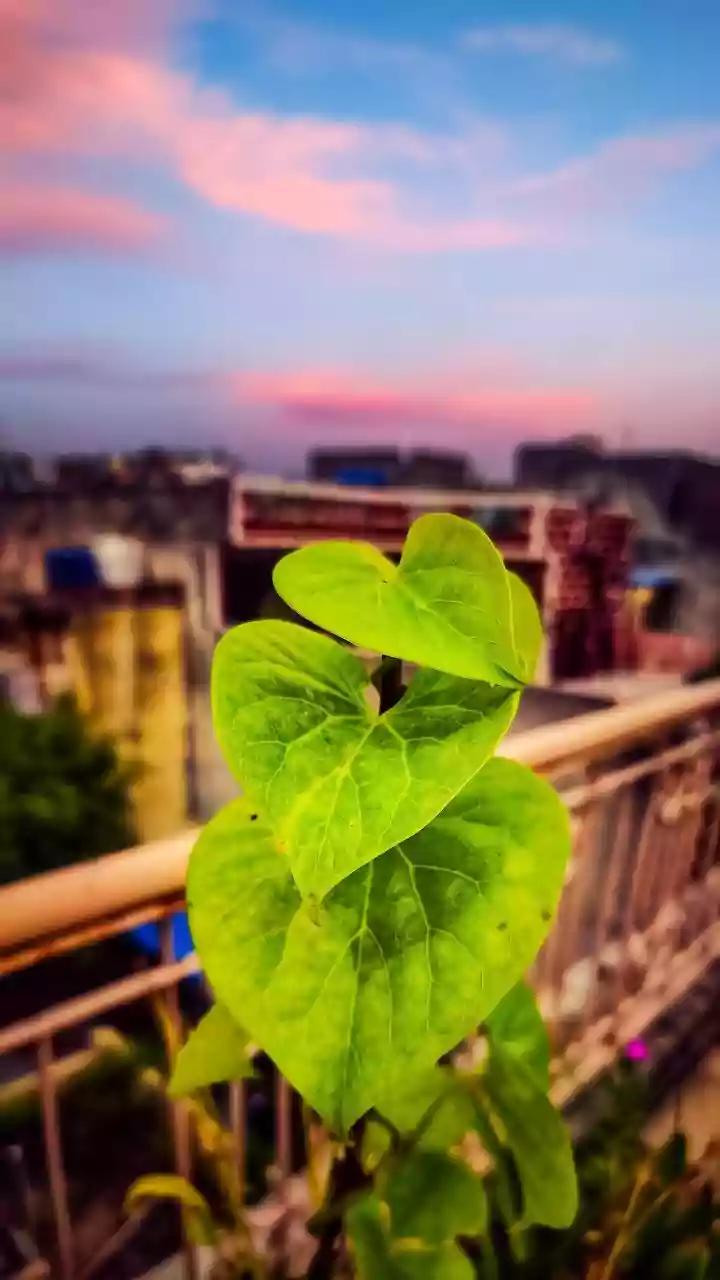
Beyond the kitchen, the rise of herb gardening is deeply connected to a growing focus on mental and physical wellbeing. The simple act of caring for a plant has been shown to reduce stress, improve mood, and provide a much-needed break from screen time. The routine of watering, pruning, and watching something grow offers a sense of purpose and accomplishment. In bustling cities, where green spaces are often limited, a small pot of tulsi or lemongrass on a balcony can serve as a personal oasis of calm. Many of these herbs also come with traditional health benefits—from tulsi's immunity-boosting properties to mint's digestive aid—making the garden a source of both peace and remedy.
Small Spaces, Big Possibilities
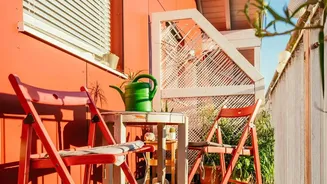
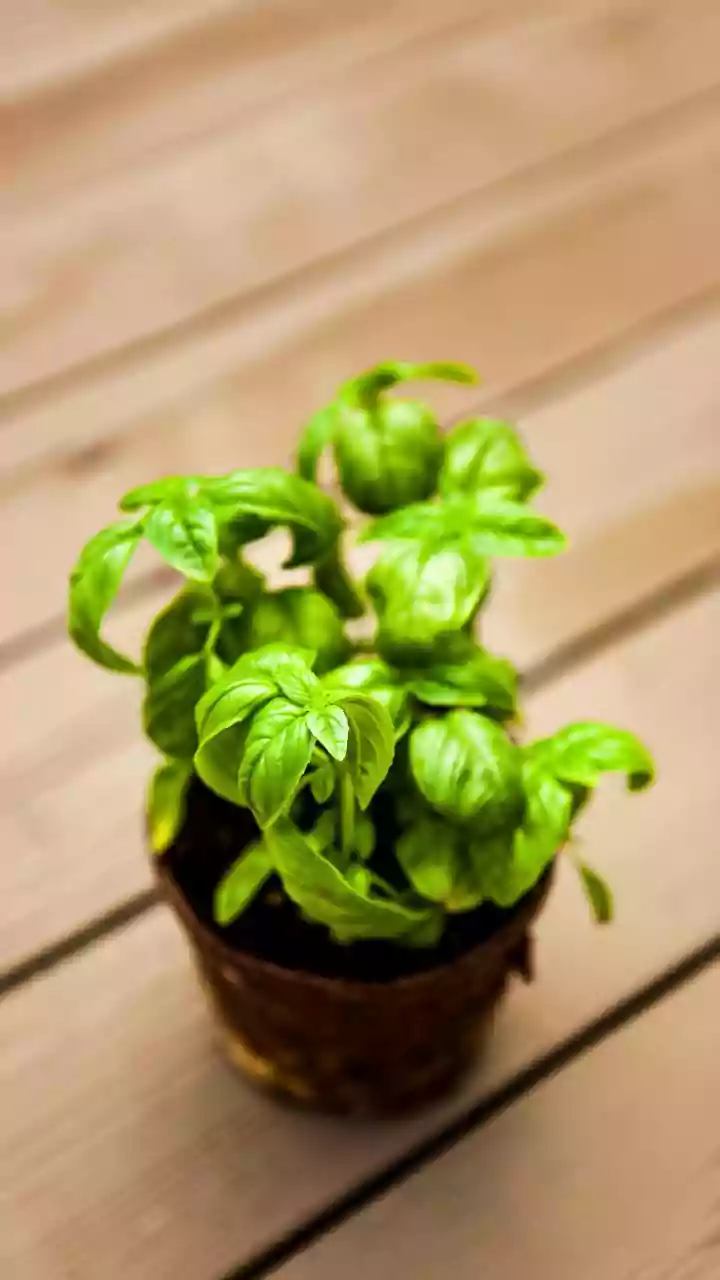
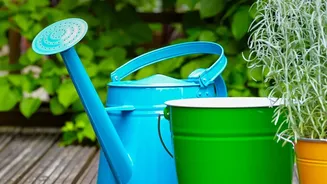
You don't need a sprawling backyard to join this green movement. A key driver of the trend is its accessibility. Most culinary herbs are perfectly happy in small pots, containers, and grow bags, making them ideal for the balconies, terraces, and windowsills that define urban Indian homes. Herbs like mint, coriander, and even chillies are relatively low-maintenance and can thrive with just a little bit of care, sunlight, and regular watering. This has democratised gardening, allowing renters and apartment dwellers to cultivate their own produce, a luxury that was once reserved for those with more space. The affordability of a basic setup—a few pots and some seeds—makes it an easy hobby to start.
The Eco-Conscious Choice
Growing your own herbs is also a small but meaningful step towards a more sustainable lifestyle. It reduces the need for plastic packaging that fresh herbs are often sold in at supermarkets. It also cuts down on food waste, as you can harvest exactly what you need, when you need it, preventing the familiar tragedy of a half-used bunch of greens wilting in the back of the fridge. Furthermore, these small green patches contribute to urban biodiversity. Gardeners are increasingly creating 'pollinator balconies' with flowering herbs like tulsi to attract bees and butterflies, turning their personal hobby into a small act of environmental restoration.