




Hack 1: Master the Art of Watering
The most common mistake new plant owners make is overwatering. While well-intentioned, giving too much water suffocates the roots, leading to root rot. Instead of watering on a fixed schedule, like every Saturday, learn to check your plant's needs first.
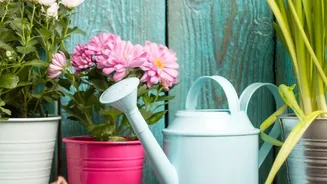
The easiest method is the 'finger test': stick your finger about two inches into the soil. If it feels dry, it's time to water. If it's still moist, wait a few more days and check again. When you do water, do it thoroughly. Pour water slowly and evenly until it flows out of the drainage holes at the bottom of the pot. This encourages deep, strong root growth. After about 30 minutes, be sure to empty any excess water from the saucer so the plant isn't left sitting in a puddle.
Hack 2: Understand the Light
Light is a plant's food, but not all light is equal. Most popular indoor plants thrive in 'bright, indirect light'. This means a spot near a window where the sun's rays don't shine directly on the leaves, which can cause them to burn. A sheer curtain can diffuse harsh sunlight, or you can place the plant a few feet away from a sunny window. Plants will naturally lean towards their light source, so give your plant a quarter turn every week to ensure it grows evenly. Low-light plants like the Snake Plant or ZZ Plant are more tolerant of darker corners, but 'low light' doesn't mean 'no light'. They still need some natural brightness to survive.
Hack 3: Choose the Right Beginner Plant
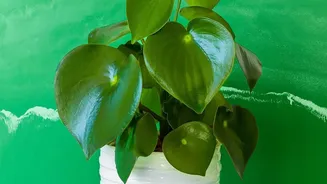
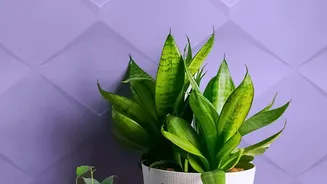
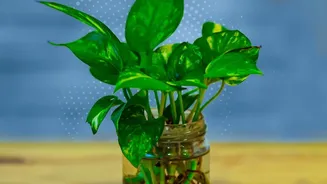
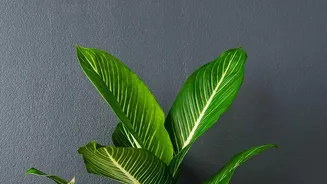
Set yourself up for success by starting with plants that are known for being resilient and low-maintenance. These 'hard to kill' varieties are more forgiving of beginner mistakes. Excellent choices for Indian homes include the Snake Plant (Sansevieria trifasciata), which tolerates low water and light, and the Money Plant (Epipremnum aureum or Pothos), a fast-growing vine that is incredibly easy to care for. Another great option is the ZZ Plant (Zamioculcas zamiifolia), which is perfect for busy people as it thrives on neglect. The Peace Lily is another popular choice, known for its air-purifying qualities and ability to handle lower light conditions. Starting with one or two of these will help you build confidence as you learn.
Hack 4: Focus on the Pot and Soil
The right home for your plant is just as important as water and light. The single most crucial feature of any pot is a drainage hole. Without it, excess water has nowhere to go, which is a fast track to root rot. If you fall in love with a decorative pot that has no holes, you can use it as a 'cachepot'. Simply keep your plant in its plain nursery pot (with drainage) and place it inside the decorative one. When it's time to water, take the inner pot out, water it in the sink, let it drain completely, and then place it back. Also, resist the urge to immediately repot a new plant into a bigger container. Most plants prefer to be slightly snug in their pots, and repotting too soon can cause unnecessary stress.
Hack 5: Fertilise, but Don't Overdo It
Fertiliser is like a vitamin supplement for your plants, but it's less critical for beginners than getting light and water right. Plants get nutrients from their soil, which eventually get depleted. A simple rule to follow is to feed your plants during their growing season, which is typically spring and summer. During the colder, darker months, most plants enter a dormant period and don't need extra food. For beginners, a balanced, all-purpose liquid fertiliser is a great start. A simple and safe approach is to dilute it to half the recommended strength on the package and use it once a month during the growing season. Always water your plant before you fertilise to avoid burning the roots.