








The Heat That Never Leaves
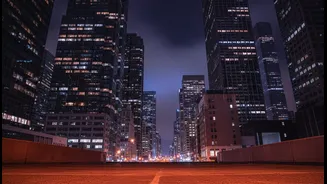
This phenomenon is known as the Urban Heat Island (UHI) effect, and it’s particularly potent after dark. Throughout the day, urban materials like concrete, asphalt, and brick absorb immense amounts of solar radiation. Unlike rural areas with more soil,
water, and vegetation that cool down relatively quickly, these dense urban surfaces slowly release the stored heat all night long. This process, sometimes called midnight urban heat retention, means that while the countryside enjoys cooling relief, the city centre remains trapped in a bubble of warmth, often several degrees hotter than its surroundings. Recent research shows that in many Indian cities, nighttime temperatures are rising even faster than daytime ones, turning summer heat into a relentless, 24-hour challenge.
From Feeling to Fact
For years, residents have voiced concerns about sleepless nights, whirring air conditioners, and the sheer discomfort of warm evenings. Now, multi-city climate monitoring systems are providing the hard data to back up these experiences. These systems use a combination of technologies, including satellite thermal imaging and networks of ground-based automatic weather stations (AWS), to create detailed temperature maps of urban areas. While traditional weather stations are often placed in open, grassy areas like airports, newer monitoring approaches focus on capturing the microclimates of dense urban neighbourhoods where people actually live and work. This granular data allows scientists and planners to see, block by block, exactly where heat is being trapped.
The Data Doesn’t Lie
The findings from these monitoring efforts are stark. Studies across India consistently show a significant temperature difference between urban cores and their rural peripheries, especially at night. For instance, metro cities like Delhi, Mumbai, and Hyderabad can be 3–8°C hotter than nearby rural areas after sunset. In some dense urban pockets, the land surface temperature can be significantly higher than in greener parts of the same city. One analysis found that urban areas in India are warming about 45% more than surrounding rural regions. This data validates the anecdotal evidence from millions of residents who feel that their neighbourhoods simply don't cool down anymore, confirming that their concerns are rooted in a measurable environmental change.
More Than Just Discomfort
The consequences of this persistent nighttime heat extend far beyond simple discomfort. It poses serious public health risks, as the body is denied the overnight cooling period it needs to recover from daytime heat stress. This can exacerbate conditions like dehydration and heatstroke and puts vulnerable populations, including the elderly and young children, at greater risk. Economically, the impact is felt through soaring electricity bills as households run air conditioners for longer periods, straining the power grid. This increased energy consumption, often powered by fossil fuels, can create a vicious cycle by contributing further to overall warming. Labour productivity in outdoor sectors also suffers, impacting the broader economy.
Paving a Cooler Path Forward
The validation of these concerns through robust data is a critical first step towards action. Armed with precise heat maps, city planners and policymakers can implement targeted solutions. Strategies like increasing green cover through parks and urban forests, restoring water bodies, and implementing 'cool roof' policies—using reflective materials on buildings—have been shown to reduce temperatures. In cities like Ahmedabad and Chennai, heat action plans and nature-based solutions are already being explored to mitigate the UHI effect. By embedding heat resilience into urban planning and building codes, cities can begin to reverse this warming trend and create more liveable, sustainable environments for their residents.