



A Healthy Twist on a Classic
Dosa is a beloved staple in many Indian households, but the traditional process of soaking and fermenting rice and lentils can take time. The oats dosa offers a fantastic shortcut. By using oats, you create a batter that is ready in under 30 minutes,
making it ideal for a weekday breakfast or a light dinner. Oats are a nutritional powerhouse, celebrated for their high fibre content, particularly beta-glucan, which is known to help manage cholesterol and blood sugar levels. They are also a good source of protein, essential minerals like manganese, and antioxidants. This makes the oats dosa not just a convenient meal, but a genuinely healthy one that keeps you full and energised. It’s a simple way to incorporate the goodness of oats into your diet, especially if you prefer savoury breakfasts over sweet oatmeal.
Gather Your Ingredients
This recipe is incredibly flexible, but here is a simple and reliable combination to get you started. The key is to balance the flours to achieve a dosa that is both crispy and easy to handle. This recipe will yield approximately 8-10 dosas. Ingredients: 1 cup rolled or quick-cooking oats; 1/2 cup rice flour; 1/4 cup rava (sooji/semolina); 1/4 cup curd (yoghurt), slightly sour is fine; 1 small onion, finely chopped; 1-2 green chillies, finely chopped; 1 inch ginger, grated; A few curry leaves, finely chopped; 1/2 teaspoon cumin seeds; A handful of fresh coriander leaves, chopped; Salt to taste; Water, as needed (approximately 2 to 2.5 cups); Oil or ghee, for cooking.
Step-by-Step Preparation
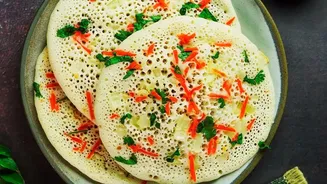
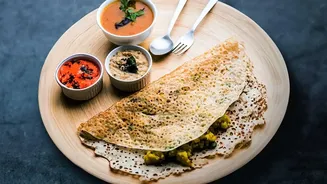
Creating the perfect oats dosa is all about the batter's consistency. It should be thin and flowing, similar to a traditional Rava Dosa batter. 1. Prepare the Oats: If you are using rolled oats, grind them into a fine powder using a mixer or grinder. For quick-cooking oats, you can often use them as they are, but grinding them ensures a smoother batter. 2. Mix the Batter: In a large bowl, combine the powdered oats, rice flour, and rava. Add the chopped onion, green chillies, ginger, curry leaves, cumin seeds, and coriander. Mix everything well. Pour in the curd and salt, and then gradually add water while whisking continuously to avoid lumps. The batter should be quite thin and watery. 3. Let It Rest: Cover the bowl and let the batter rest for about 15-20 minutes. This allows the rava and oats to absorb the water and swell, which is crucial for the final texture. After resting, the batter will have thickened. Add more water to bring it back to a thin, flowing consistency. 4. Cook the Dosa: Heat a non-stick or cast-iron tawa over medium-high heat. Once hot, drizzle a little oil or ghee and rub it with a slice of onion to season the pan and prevent sticking. Stir the batter well from the bottom each time before making a dosa, as the flours tend to settle. Pour a ladleful of the batter from the outer edge towards the centre of the hot tawa. You should see a lacy, net-like pattern form. Do not try to spread it like a regular dosa. Fill in any large gaps with a little more batter. Drizzle a teaspoon of oil around the edges and on top. Cook on medium heat for about 3-4 minutes, or until the bottom becomes golden brown and crispy. There is no need to flip it. Once cooked, gently fold the dosa and serve it immediately.
Tips for Crispy Dosas Every Time
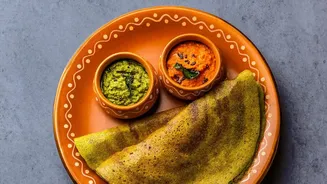
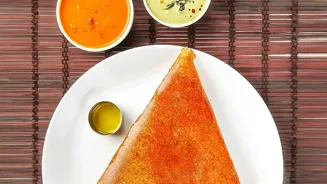
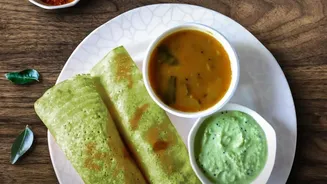
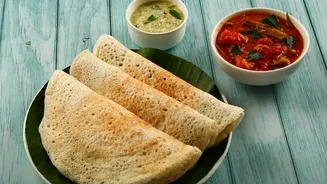
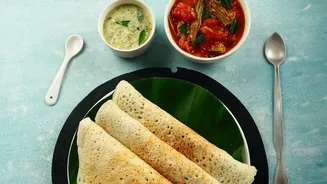
Getting that signature crispy, lace-like texture is the goal. Here are a few tips to ensure success. First, the tawa must be hot enough when you pour the batter; this is what creates the instant net pattern. Second, always ensure your batter is thin. If it's too thick, the dosas will turn out soft and more like an uttapam. Don't be afraid to add more water to get it to the right consistency. For extra flavour and texture, you can add other finely grated vegetables like carrots or cabbage to the batter. These dosas are best enjoyed straight off the pan. Serve them hot with your favourite accompaniments like coconut chutney, tomato chutney, or sambar for a complete and satisfying meal.