





The Shifting Tides of Monsoon Travel
For years, the rainy season was considered the off-season for tourism in India. Popular destinations would see a dip in visitors, and hotels would often lower their rates to attract guests. However, this pattern is rapidly changing. An increasing number
of Indian travellers are now embracing the monsoon as an opportunity to see the country in a new light. According to industry experts, there has been a significant rise in monsoon bookings, with some destinations seeing bookings grow by as much as 46%. This shift is driven by younger travellers who prefer shorter, experience-led getaways and are drawn to the vibrant, rain-washed landscapes and cooler temperatures. This has been a boon for the hospitality industry, which is seeing stronger demand and more resilient pricing even in what was once a quiet period.
Chikmagalur, Karnataka: The Coffee-Scented Hills
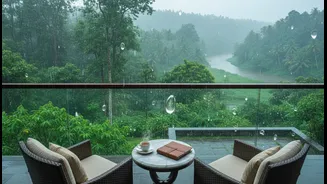
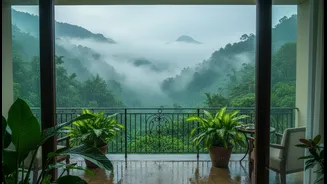
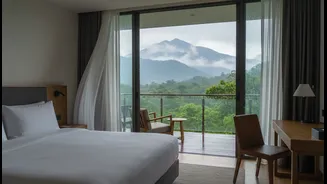
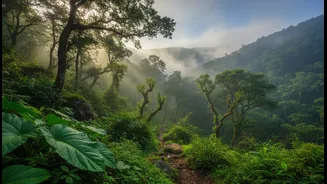
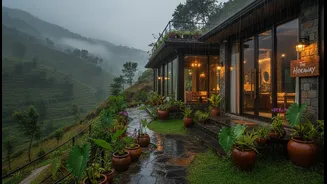
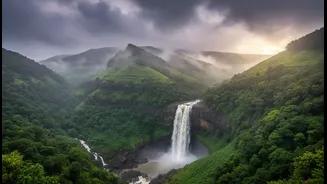
While Coorg and Munnar have long been monsoon favourites, nearby Chikmagalur in Karnataka is emerging as a preferred destination for those seeking tranquillity. During the rains, from June to September, the region's rolling hills and vast coffee plantations are transformed into a paradise of lush greenery. The waterfalls, such as Jhari and Hebbe falls, are at their most spectacular during this time. Fewer tourists mean a quieter, more intimate experience with nature. Local homestays and resorts are seeing an uptick in visitors who come to enjoy the misty atmosphere, go on treks to peaks like Mullayanagiri, or even try river rafting on the Bhadra River. The pleasant climate, with temperatures ranging from 18°C to 22°C, makes it an ideal escape from the city heat and humidity.
Orchha, Madhya Pradesh: History in the Rain
Rajasthan is a classic winter destination, but the neighbouring state of Madhya Pradesh holds a monsoon secret: the historic town of Orchha. Situated on the banks of the Betwa River, Orchha’s magnificent palaces, temples, and cenotaphs take on a dramatic and romantic quality when washed by the monsoon rains. The otherwise dry landscape turns into a lush, green carpet, and the river swells, offering mesmerising views. Unlike crowded heritage sites, Orchha offers a peaceful retreat. Tourists can explore the Orchha Fort complex and the stunning Chaturbhuj Temple without the usual rush. Local hoteliers and guest houses benefit from travellers who come to see the town’s architectural grandeur amplified by the moody monsoon skies. It is considered one of the best times to visit for those who appreciate history and nature combined.
Kolli Hills, Tamil Nadu: The Road Less Travelled
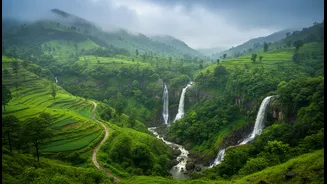
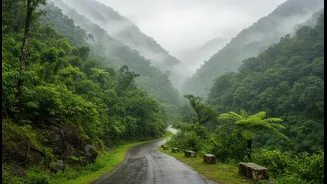
For the truly adventurous, the Kolli Hills in Tamil Nadu offer an offbeat monsoon experience. Known for its daunting 70 hairpin bends, the journey itself is part of the thrill. Named the 'Mountain of Death' in ancient literature, today it attracts travellers looking for raw, untouched nature. During the monsoon, the hills are shrouded in mist, and the Agaya Gangai waterfalls become a powerful spectacle. While the heavy rains can make travel challenging, those who venture here are rewarded with serene landscapes, lush forests, and the chance to explore hidden caves and streams. It is less commercialised than Ooty or Kodaikanal, allowing for a more authentic connection with the region's tribal culture and natural beauty. This growing interest helps support local accommodations that cater to trekkers and nature lovers.
The Northeast Emerges: Nagaland and Arunachal Pradesh
The northeastern states have long been a frontier for intrepid travellers, and now they are gaining traction as prime monsoon destinations. Nagaland and Arunachal Pradesh, in particular, have seen a significant 62% year-on-year rise in flight bookings for the season. Places like the Dzukou Valley in Nagaland transform into a carpet of green, often filled with low-hanging monsoon clouds that create a surreal atmosphere. In Arunachal Pradesh, Ziro Valley offers a unique cultural experience amidst rain-soaked rice fields. This trend indicates a growing desire among Indian tourists to explore the country's ecological and cultural diversity, moving far beyond the conventional hill stations. The increased footfall provides a welcome economic boost to local communities and hospitality providers in these remote, beautiful regions.