





IMD's August-September Forecast Explained
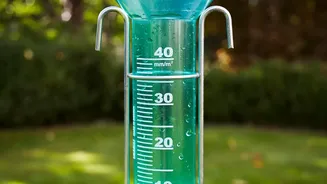
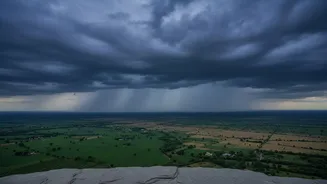
The India Meteorological Department has predicted that the second half of the monsoon season is likely to see below-normal rainfall for the country as a whole. For August and September, the forecast is for rainfall to be less than 94% of the Long Period
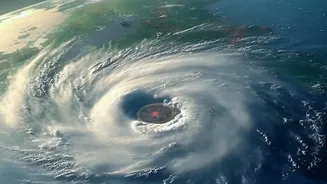
Average (LPA). This follows a season that has already seen significant fluctuations, with a deficit in June followed by a recovery in July. The projected deficit is influenced by strengthening El Niño conditions in the Pacific Ocean. However, the forecast isn't uniform. Some parts of peninsular, central, northwest, and northeast India may still receive normal to above-normal rainfall, highlighting significant regional variations.
India's Reservoirs: The Nation's Water Banks
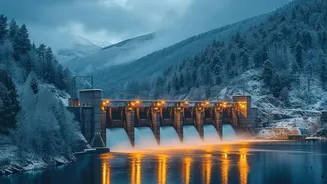
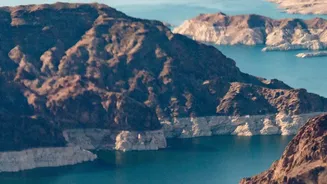
Think of India's 166 major reservoirs as the nation's water banks. They are crucial for storing the rainwater brought by the monsoon. This stored water is essential for almost every aspect of life. It provides drinking water to cities and towns, powers hydroelectric plants that contribute to our energy grid, and, most critically, irrigates vast tracts of agricultural land. More than half of India's farmland is rain-fed, making the water stored in these dams vital for growing crops, especially the winter (rabi) crops that are planted after the monsoon subsides. A healthy reservoir level means water security; a low level spells potential stress.
Connecting the Dots: Rainfall vs. Reservoir Levels
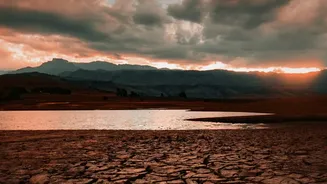
A national rainfall forecast doesn't directly translate to full or empty reservoirs. The key factor is where the rain falls. Heavy rainfall outside the specific 'catchment area' of a dam won't help fill that particular reservoir. Even with July's rain recovery, a cumulative deficit has left many reservoirs with lower-than-normal storage. As of late July 2026, the total live storage in India's major reservoirs was around 44% of their total capacity, which is significantly lower than the levels recorded at the same time last year. The southern region has been particularly affected, with storage levels at only about 34% of capacity. This existing deficit is why the below-normal forecast for the rest of the season is a cause for close monitoring.
Why Your Local Reservoir Is What Really Counts
While the IMD provides a country-wide and regional outlook, your daily life is impacted by the water level in the specific reservoir that serves your area. A forecast for 'below-normal' rain across the country could still see a reservoir in your region fill up due to a few intense, localised downpours. Conversely, a 'normal' national forecast can be meaningless if your local catchment area remains dry. These local levels determine immediate decisions about water supply schedules for your tap, the availability of water for local farmers, and the power output from nearby hydroelectric projects. For example, recent floods in one part of Kerala saw a crisis downstream even as major reservoirs in the district had comfortable storage levels, showing how hyperlocal these impacts can be.
How to Stay Informed About Your Water Supply
Staying informed is easier than you might think. The Central Water Commission (CWC) is the primary agency that monitors the country's major reservoirs. It issues a weekly bulletin every Thursday with detailed information on the storage status of 166 important reservoirs across the country. This bulletin provides all-India, state-wise, and individual reservoir data, comparing current levels with those from the previous year and the 10-year average. This information is accessible through the CWC's official website. Many state water resource departments also maintain their own portals, sometimes offering daily updates for reservoirs under their jurisdiction. Checking these resources gives you a direct, data-backed view of the water situation that affects you and your community most.