


Beyond the Concrete Jungle
For many, the modern workday is defined by straight lines and artificial light. Cubicles, open-plan offices, and glass-walled meeting rooms all hum with a familiar, sterile energy. But what if your office was a cathedral of curves, built from one of the world's
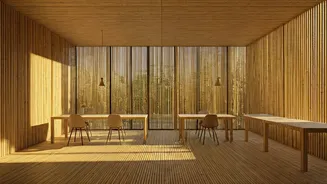
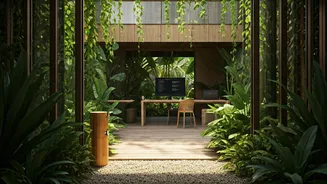
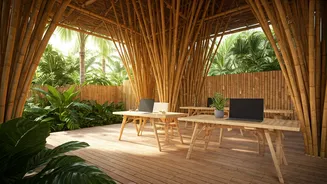
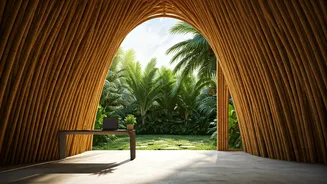
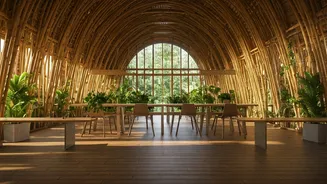
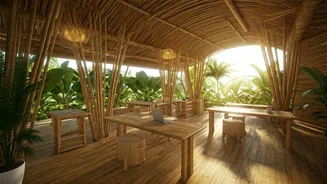
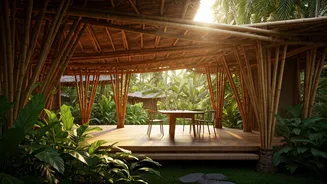
most sustainable materials? This is the reality in the burgeoning eco-hubs of Northern Thailand, particularly around Chiang Mai. Here, architects and communities are pioneering spaces made almost entirely of bamboo. These aren't rickety huts; they are architecturally stunning structures with soaring ceilings, flowing lines, and an organic warmth that concrete and steel can never replicate. The design ethos is simple but profound: work and live in harmony with nature, not in opposition to it. These hubs serve as co-working spaces, wellness centres, and even schools, all unified by a design that breathes.
The Philosophy of Bamboo
The movement is heavily influenced by firms like Chiangmai Life Architects, which has gained global acclaim for its innovative use of bamboo. Their philosophy goes beyond just using a green material. It’s about embracing a zero-waste, carbon-neutral lifestyle. The bamboo is treated with natural salts, not toxic chemicals, making it durable and pest-resistant. The structures are designed for natural airflow and light, drastically reducing the need for air conditioning and electricity. This isn’t just eco-chic; it's a deeply practical approach to sustainable building. The goal is to create spaces that are not only beautiful but have a net-positive impact on the environment. Workers in these hubs aren't just renting a desk; they are participating in a living experiment that proves modern life can be both productive and profoundly sustainable.
A Day in a Bamboo Hub
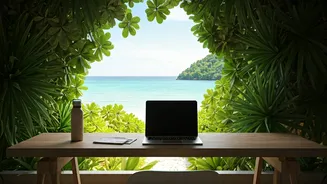
So, what is it actually like to work here? A typical day might start with morning yoga on a bamboo platform overlooking a lush garden, followed by a few hours of focused work on your laptop. The internet is fast, but the atmosphere is calm. Instead of the clatter of keyboards and ringing phones, the soundtrack is a mix of birdsong and quiet conversation. Lunch is often a communal affair, featuring organic food grown on-site or sourced from local farms. The community is a mix of digital nomads, remote workers, artists, and wellness practitioners from around the world, all drawn by the promise of a more intentional way of life. The environment naturally fosters collaboration and a sense of well-being, a far cry from the high-stress, competitive nature of many traditional corporate settings. It’s a workspace designed for human flourishing, not just human resources.
Why Chiang Mai?
It’s no accident that this movement is thriving in Northern Thailand. Chiang Mai has long been a global hub for digital nomads, celebrated for its low cost of living, vibrant culture, and stunning natural scenery. The city has an established infrastructure for remote work, but it also possesses a deep spiritual and wellness tradition. This unique combination makes it fertile ground for ideas that blend modern productivity with holistic well-being. The availability of high-quality bamboo and skilled local artisans also plays a crucial role. This isn't a foreign concept being imposed on the landscape; it's a modern interpretation of traditional building techniques, creating a style that is both innovative and deeply rooted in place. The result is a lifestyle that feels authentic, not manufactured.
The Reality of the Dream
Of course, ditching your desk job for a bamboo paradise isn't a simple, one-step solution for everyone. It requires a portable income, a willingness to adapt to a different culture, and a genuine commitment to the community ethos. These are not just aesthetic co-working spaces; they are communities built on shared values of sustainability and mindfulness. For those who can make the leap, however, the rewards are immense. It’s a chance to redefine what ‘work-life balance’ truly means, moving away from a model of separation and towards one of integration. It’s about finding a way to make a living that doesn’t cost the earth—or your peace of mind. The open-air architecture also means contending with nature directly, from the occasional insect to the humidity of the rainy season. It's a trade-off: a little wildness in exchange for a lot of soul.