







The New 30-Day Rule Explained
In a recent decision, the Thai government confirmed that Indian passport holders can continue to enter Thailand without a visa. However, the permitted duration of stay has been adjusted. Previously, a temporary 60-day exemption was in place, but this
has now been standardized to a 30-day visa-free stay. This decision was made after a proposed plan to scrap the visa-free scheme altogether caused confusion and led to a dip in tourist arrivals from India, a key market for Thai tourism. The government stated the 30-day period better aligns with the typical travel patterns of most visitors and aims to streamline immigration policies while curbing misuse of longer-stay provisions.
Your Return Ticket Is Non-Negotiable
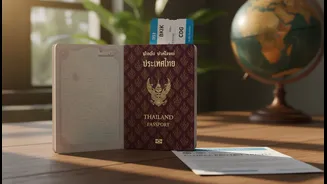
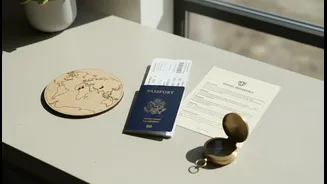
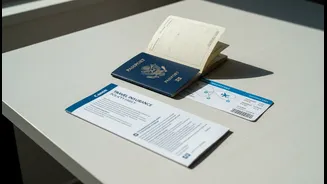
With the formalization of the 30-day rule, immigration authorities are placing a strong emphasis on proof of onward travel. A confirmed return flight ticket showing a departure date within the 30-day limit is a critical document for hassle-free entry. This has always been a requirement, but it is now being more consistently enforced. Airlines at your departure airport in India may check for this document before allowing you to board, and Thai immigration officers will likely ask to see it upon arrival. Failing to produce a confirmed return ticket can lead to delays or even denial of entry. Ensure your ticket is booked and the details are readily accessible on your phone or as a printout.
Travel Insurance: Recommended, Not Required (For Now)
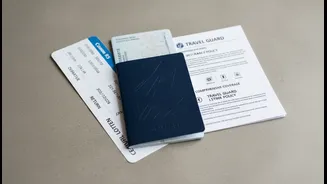
While travel insurance is not currently a mandatory entry requirement for Indians visiting Thailand for tourism, it is very strongly recommended by travel experts and authorities. The Thai government has been reviewing proposals to make basic medical coverage compulsory for foreign visitors due to issues with unpaid hospital bills. Regardless of any official mandate, insurance provides a crucial safety net. Medical care for foreigners in Thailand can be expensive, and unexpected incidents like flight cancellations, lost luggage, or minor accidents are always a possibility. A comprehensive policy offers financial protection and peace of mind, making it a wise investment for any international trip.
Embrace the Month-Long Adventure
The 30-day window, while shorter than the previous 60-day exemption, is a golden opportunity to plan a more immersive Thai experience. Instead of a quick city-and-beach trip, you now have ample time to explore beyond the usual tourist trails. Consider a multi-region itinerary that combines the urban energy of Bangkok with the cultural richness of Chiang Mai in the north and the stunning islands of Krabi or Phuket in the south. A month-long stay allows for a more relaxed pace, enabling you to take local cooking classes, go on multi-day treks, get a scuba diving certification, or simply spend more time soaking in the culture in each location without feeling rushed. This extended period is perfect for digital nomads planning a workation or families looking for a deeper cultural holiday.
Your Pre-Travel Checklist
To ensure a smooth journey, have these documents in order before you leave for Thailand. First, your passport must be valid for at least six months from your date of entry. Second, have your confirmed return flight ticket (within 30 days) and proof of accommodation, like hotel bookings, handy. Third, while not mandatory, it is wise to carry proof of sufficient funds for your stay—officials may ask for it. Finally, all travelers must fill out the Thailand Digital Arrival Card (TDAC) online before arrival. Having these items organised will help you navigate immigration with confidence and start your holiday without a hitch.