






The Science of Shrinking Space
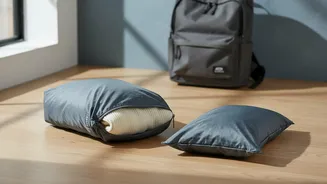
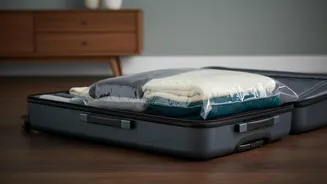
The core function of a luggage compression bag is simple yet highly effective: it removes excess air from around your clothes. Unlike regular packing cubes, which primarily organize, compression bags are designed to reduce volume. There are generally
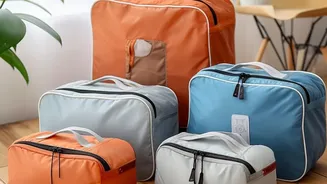
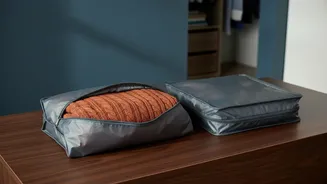
two types for travel: bags that you roll by hand to force air out through a one-way valve, and 'compression cubes' that use a second zipper to squeeze the contents together. Both methods push out the air trapped between fabric fibres, compacting soft and bulky items like sweaters, jackets, and towels into a much smaller, denser package. This process can reduce the volume of your clothing by 30% or more, freeing up a significant amount of space in your backpack or suitcase.
A Shield Against Moisture and Spills
One of the most valuable secondary benefits of compression bags is their ability to protect your gear from water. Most are made from durable, water-resistant plastics or fabrics like nylon and polyester. When sealed, they create an airtight barrier that is highly effective against rain, humidity, accidental spills from toiletries, or even a damp towel packed in a hurry. This makes them indispensable for travel during monsoon season, adventure trips where weather is unpredictable, or simply for peace of mind. While most travel versions are water-resistant rather than fully waterproof for submersion, their airtight seal is more than enough to keep contents dry, clean, and free from musty odours in typical travel scenarios.
Maximising Packing Efficiency
To get the most out of compression bags, it pays to be strategic. They work best on soft, puffy items that contain a lot of air. Think down jackets, wool sweaters, fleece pullovers, and socks. Denser items like jeans or formal trousers will not compress as much. For optimal results, fold or roll your clothes neatly before placing them in the bag. This not only helps with compression but also minimises deep-set wrinkles. Be careful not to overfill the bag, as this can strain the seams and zippers. It’s also wise to use them for organisation, dedicating different bags for tops, bottoms, or separating clean clothes from dirty laundry on the return journey.
The Weight and Wrinkle Warning
While compression bags are a fantastic space-saving tool, they have one major catch: they do not reduce weight. By allowing you to pack more into a smaller space, it becomes easier to exceed airline weight limits for carry-on or checked baggage. A compressed bag can become a dense, surprisingly heavy brick. It's crucial to weigh your luggage after packing to avoid costly fees at the airport. Furthermore, the intense compression can cause wrinkles, especially in delicate fabrics like silk or stiff materials like cotton shirts. For business travellers or those packing wrinkle-prone outfits, it might be better to fold those items separately and use compression bags for more resilient clothing.