





The First Step: A Gentle Wipe-Down
The rule of thumb for all jewellery is 'last on, first off'. Always put your pieces on after applying makeup, perfume, hairspray, and lotions. These products contain chemicals that can dull metals and damage delicate stones over time. After each wear,
the most crucial step is to gently wipe down every piece with a soft, dry, lint-free cloth. This simple action removes skin oils, sweat, and any cosmetic residue that may have accumulated during the day. Do not use paper towels or tissues, as their fibres can be abrasive and cause tiny scratches, especially on enamel or soft stones.
Smart Storage Is Everything
How you store your jewellery is just as important as how you clean it. Never toss your pieces into a single box where they can scratch, tangle, or chip each other. The best practice is to store each item separately in its own soft pouch, a cloth-lined box, or an anti-tarnish bag. For Kundan, Polki, and Meenakari pieces, airtight containers or zip-seal bags are highly recommended to protect them from moisture, which is their biggest enemy. You can add a small silica gel packet to the storage box to absorb any excess humidity, a common concern in India's climate. Avoid velvet-lined boxes for long-term storage, as they can retain moisture and accelerate tarnishing. Instead, wrap pieces in butter paper or a soft cotton cloth before placing them in a box.
Special Care for Different Styles
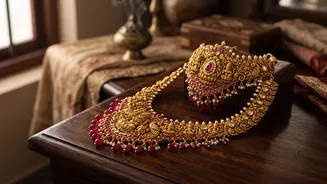
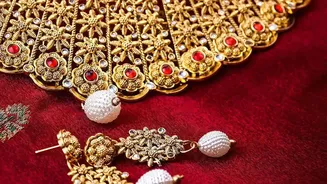
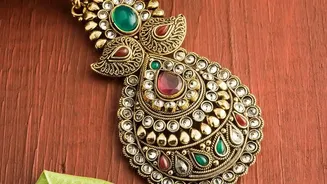
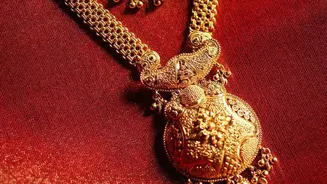
Different types of traditional jewellery require unique care methods due to their specific materials and construction.Kundan & Polki: These pieces, featuring uncut diamonds set in gold or silver foil, are extremely sensitive to moisture. Water can seep behind the stones and damage the lac resin holding them in place, or tarnish the foil, causing the stones to lose their shine. Never soak Kundan or Polki jewellery. For cleaning, use only a soft, completely dry cloth. For stubborn dust in crevices, a very soft, dry brush can be used with extreme gentleness.Meenakari (Enamel): The vibrant enamel work on Meenakari jewellery can chip or crack if handled roughly. Store these pieces individually to prevent impact. Like Kundan, Meenakari should be kept away from water and chemicals, which can cause the enamel to lift or fade. A gentle wipe with a dry cloth is sufficient for cleaning.Temple Jewellery: Often made of gold or gold-plated silver, temple jewellery is more robust but still needs care. It can be cleaned with a mild soap and warm water solution, using a very soft toothbrush to gently scrub intricate designs. However, ensure you rinse and dry it thoroughly and immediately, as moisture can still be a concern for plated pieces.Pearls: Pearls are organic gems and very delicate. Their lustre can be damaged by acids from sweat and chemicals in cosmetics. Wipe them with a soft, slightly damp cloth after wearing. Never submerge a pearl strand in water, as it can weaken the silk thread. Store pearls separately in a breathable pouch to prevent scratches.
What to Absolutely Avoid
To keep your jewellery safe, there are a few universal rules. Never wear your precious pieces while swimming, showering, exercising, or doing household chores. Chlorine, saltwater, and harsh cleaning agents can cause irreversible damage. Avoid using abrasive cleaners like toothpaste or baking soda pastes, as these can scratch soft metals and gemstones. Ultrasonic cleaners, while effective for some plain metal jewellery, can be destructive to Kundan, Polki, and pieces with delicate enamel or stone settings. When in doubt, a gentle, professional cleaning is always the safest option for your most treasured items.