






The Soaring Cost of Staples
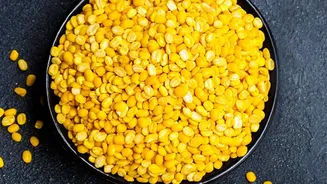
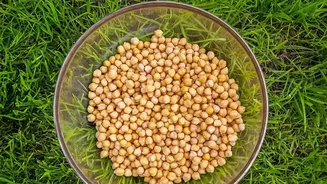
The price of several key pulses has surged in wholesale markets over the past month. Chana (gram) has seen one of the steepest climbs, rising by approximately 11%, with moong dal not far behind at 10.6%. Tur (arhar) dal, a staple in many households, has increased
by about 6.5%. This wholesale inflation is translating to higher retail prices just as families begin stocking up for Dussehra and Diwali. For instance, tur dal, which was selling for around ₹110-120 per kilogram about a month ago, is now retailing for as high as ₹140-150 in some areas. On a year-on-year basis, the increases are even more stark, with some varieties like matar (peas) and urad up by roughly 47% and 24% respectively.
A Perfect Storm of Factors
This price pressure is not just a case of festive demand driving up costs. A combination of factors is creating supply-side anxiety in the market. A primary cause is a patchy and uneven monsoon season, which has raised serious concerns about crop output. Major pulse-growing states like Maharashtra and Karnataka have experienced significant rainfall deficits, impacting the current Kharif crops and reducing soil moisture for the upcoming Rabi sowing season. This has directly affected market expectations for tur, which is mainly a Kharif crop. The situation for chana, India's most consumed pulse, is particularly sensitive to Rabi sowing conditions, which are now under a cloud of uncertainty. Adding to the domestic weather woes are international factors, such as reduced supplies and higher prices for yellow peas, which often act as a substitute for chana.
The Government's Policy Tightrope
The government finds itself in a difficult position, trying to balance affordable prices for consumers with fair incentives for farmers. In response to the rising prices, officials are reportedly considering lowering import tariffs on certain pulses like lentils and yellow peas to boost domestic supplies. Currently, India imposes a 10% import tax on red lentils and 30% on yellow peas. This move would follow earlier measures, such as allowing duty-free imports of tur and urad dal until March 2027. However, policymakers are treading carefully. There is a consideration to exclude chana from any import duty cuts to encourage Indian farmers to plant more of it during the upcoming sowing season, which begins in October. This highlights the core challenge: making pulses affordable today without discouraging domestic production tomorrow. The government is also managing its strategic buffer stocks, with earlier reports suggesting a temporary halt on open market sales to preserve reserves amid production uncertainty.
What This Means for Festive Budgets
For millions of Indian families, this inflation is not an abstract economic indicator; it's a tangible hit to their festive budget. Pulses are fundamental to festival cuisine, from savoury snacks to main courses. The rising cost of dal, alongside other items, means that the same grocery list is becoming noticeably more expensive. This pressure on food budgets comes as households are already navigating a mixed economic environment. While overall consumer sentiment has been positive, high food inflation can force families to make difficult choices, potentially cutting back on other discretionary spending to accommodate the rising cost of essential food items. The timing is particularly challenging, as increased demand during the festive period converges with a market already worried about future supply, creating a recipe for sustained high prices in the near term.