





Beyond the Generic Menu
For decades, the “multi-cuisine” restaurant was a staple of Indian dining. These establishments offered a sprawling menu that promised something for everyone, from Punjabi to Chinese to Continental. The result, however, was often a culinary compromise
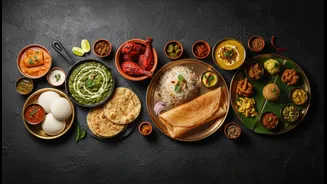
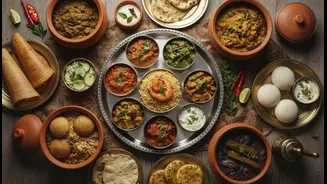
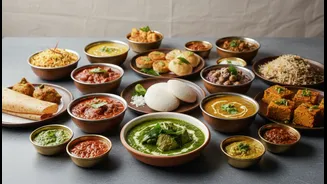
where distinct flavours were mellowed into a generic, vaguely agreeable taste. More recently, a more focused concept has emerged: multi-regional dining. This isn't about covering multiple countries, but about exploring the vast diversity within a single cuisine. Imagine a restaurant that serves the fiery coastal curries of Goa, the subtle vegetarian thalis of Karnataka, and the robust, slow-cooked meats of Awadh, all under one roof. The goal isn't to offer a buffet of everything, but to present a curated gallery of distinct culinary traditions, each with its own identity.
The Pitfall of Pleasing Everyone
The central challenge for any restaurant serving diverse regional dishes is the temptation to sand down the edges. A chef might be tempted to reduce the pungent mustard oil in a Bengali fish curry, dial down the fierce spice of a Naga pork dish, or add a touch of sweetness to a savoury South Indian stew to make it more palatable to a broader audience. This is often where the magic is lost. When authenticity is sacrificed for accessibility, the very soul of the dish is compromised. The unique ingredients, cooking techniques, and flavour profiles that define a region’s food are what give it character. Diluting these dishes creates a forgettable experience and does a disservice to both the cuisine and the customer. A kitchen that tries to please every palate often ends up exciting none.
The New Champions of Authenticity
Successful multi-regional chefs are not just cooks; they are curators and storytellers. They understand that a dish's integrity is its greatest asset. These chefs are confident enough to present regional food with pride, trusting that diners will appreciate the honesty of the flavours. They create menus that celebrate contrast, allowing a delicate dish from one region to coexist with a bold one from another without trying to force them into a single flavour profile. This often involves educating diners, with menus that explain the origin of a dish or servers who can share the story behind a particular recipe. By refusing to compromise on core flavours, they are building a reputation based on trust and quality, proving that unapologetic authenticity can be a powerful business model.
An Evolving and Curious Diner
This shift is not only happening in the kitchen; it’s being driven by the diners themselves. Today’s customers, especially in urban India, are more curious and globally aware than ever before. They have been exposed to a world of flavours through travel and social media, and they are increasingly seeking out new and genuine culinary experiences. The generic is no longer exciting. Instead, people want food with a narrative—dishes that connect them to a place, a culture, and a tradition. This growing appetite for authenticity means that restaurants no longer have to 'play it safe'. Diners are showing that they are willing to explore and be challenged, rewarding chefs who offer them a genuine taste of India's incredible diversity. This trend indicates a larger cultural shift where people are looking for more than just a meal; they are searching for an experience.