





A Small Space with a Big Impact
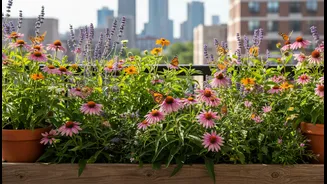
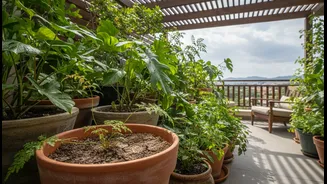
In bustling Indian cities, green spaces are often fragmented, creating 'islands' of nature that make it difficult for wildlife to travel and thrive. Apartment balconies, no matter their size, can change this. When planted thoughtfully, they become 'stepping
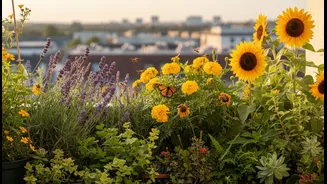
stones' or mini-habitats for pollinators like butterflies. Multiplied across a neighbourhood, these green balconies form a network—a true urban corridor that allows wildlife to move, feed, and shelter. This collective effort significantly boosts local biodiversity, proving that even a few pots on a high-rise can make a tangible environmental difference.
Fueling the Flight: The Best Nectar Plants
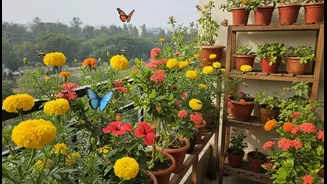
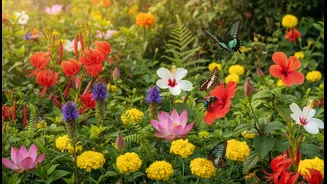
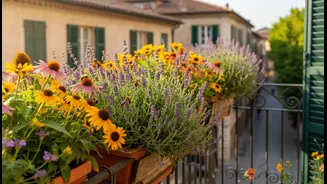
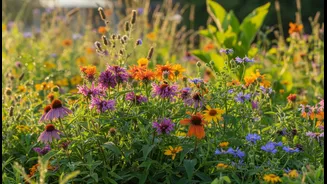
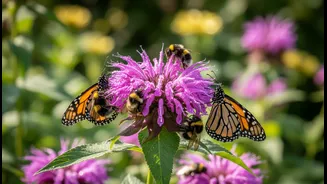
The first step to attracting adult butterflies is providing food. They feed on nectar, a sugary liquid produced by flowers. To create a welcoming buffet, plant a variety of nectar-rich flowers. Brightly coloured blooms are particularly attractive. Good choices for Indian climates that thrive in pots include Marigold (Genda), with its cheerful yellow and orange flowers, and the fiery red and orange clusters of Ixora (Rangan). Other excellent options are the hardy and low-maintenance Lantana, Pentas with their star-shaped flowers, and the ever-popular Hibiscus. Grouping plants together creates a more attractive landing zone for these fluttering visitors.
Beyond Flowers: The Importance of Host Plants
To create a true butterfly haven, you need to think beyond just feeding the adults. Butterflies need specific plants, known as host plants, on which to lay their eggs. The caterpillars that hatch will then feed on the leaves of this specific plant. Without host plants, butterflies cannot complete their life cycle in your garden. For example, the vibrant Common Mormon butterfly lays its eggs on the Curry Leaf (Kadi Patta) tree and other citrus plants. Milkweed is essential for the stunning Tiger butterflies. By including both nectar and host plants, you provide a complete habitat, transforming your balcony from a simple feeding station into a nursery that supports future generations of butterflies.
Designing Your Butterfly Sanctuary
Creating the right environment is as important as choosing the right plants. Most butterfly-attracting plants, like Hibiscus and Marigold, need at least six hours of sunlight a day, so pick a sunny spot on your balcony. Butterflies also need a place to rest and drink. You can provide this by placing a shallow dish filled with sand or pebbles and a little water in a sunny spot; this practice is called 'mud-puddling' and provides them with essential minerals. It is crucial to avoid chemical pesticides and herbicides, as these are harmful to butterflies and caterpillars. Opt for natural pest control methods to keep your plants and their visitors healthy. Finally, planting a variety of flowers that bloom in different seasons will ensure a year-round food supply, making your balcony a reliable resource for local butterfly populations.