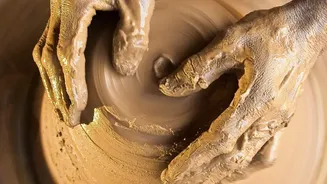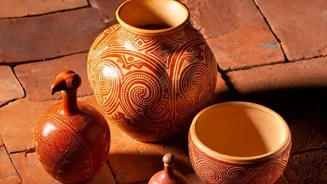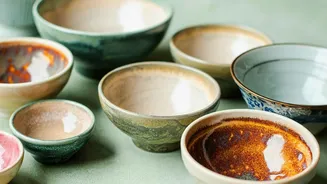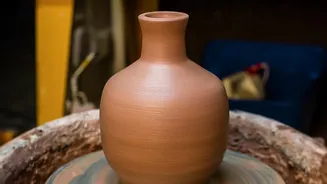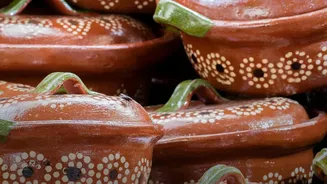










In an age of rapid industrialisation, the humble clay pot might seem like a relic. Yet, India's ancient pottery tradition is a vibrant, living craft that forms a crucial part of the nation's cultural and economic fabric.
More Than Just Clay
From the diyas that illuminate
Diwali to the kulhars used for chai, pottery is deeply embedded in the daily and spiritual life of India. This craft, with roots tracing back to the Indus Valley Civilization, is a tangible link to a rich past. The designs, shapes, and styles of pottery vary dramatically across regions—from Jaipur's iconic blue pottery to Manipur's unique Longpi cookware—each reflecting the local culture, environment, and history. For historians, ancient pottery shards offer invaluable clues about past societies, their diet, and their economic conditions. For millions today, these clay objects remain indispensable, embodying a philosophy of sustainability where items emerge from the earth and return to it.
An Economic Lifeline for Communities
Beyond its cultural weight, traditional pottery is a cornerstone of the rural economy. The handicrafts sector, including pottery, is considered the second-largest employer in the unorganized sector after agriculture, supporting millions of artisans, particularly in rural and semi-urban areas. For many families in potter (or Kumhar) communities, this craft is their primary source of income, a skill passed down through generations. Entire clusters, like Khurja in Uttar Pradesh, are globally recognized for their ceramic ware, providing direct and indirect employment to thousands and contributing significantly to India's export earnings. This labour-intensive industry ensures that economic benefits are distributed within communities, supporting livelihoods and preserving generational knowledge.
Facing Modern Headwinds
Despite its importance, the traditional pottery industry faces serious challenges. The biggest threat comes from cheaper, mass-produced alternatives made of plastic, steel, or melamine. These factory-made goods have shrunk the market for handmade items, making it difficult for artisans to compete. Potters often face unstable, seasonal incomes and are squeezed by middlemen, which reduces their profit margins. Furthermore, environmental factors like rising temperatures and erratic rainfall can disrupt the clay preparation process, which relies on natural conditions. Many younger artisans, discouraged by the economic uncertainty, are leaving the profession for other opportunities, leading to a potential loss of invaluable traditional skills.
A Craft Reimagined
However, a quiet renaissance is underway. Artisans and entrepreneurs are blending ancient techniques with modern designs to appeal to urban and international consumers. There is a growing demand for eco-friendly, handcrafted products, which has created new markets for items like minimalist tableware, decorative pieces, and sustainable home goods. E-commerce platforms and social media have empowered many potters to bypass middlemen and sell directly to customers, improving their earnings and visibility. Government initiatives like the Gramodyog Vikas Yojana and the SPIN scheme are also providing crucial support through financial assistance, skill development, and access to modern equipment to help artisans adapt to contemporary market demands.