






Create a Master Budget Before Atham
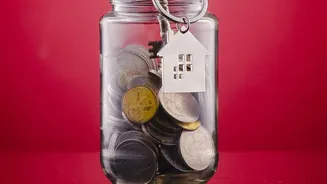
The most effective way to manage Onam expenses is to plan before the festival begins. Decide on a total amount you are comfortable spending. This isn't about restriction; it's about control. Allocate specific amounts for key categories: the Onasadhya
(feast), Onakkodi (new clothes), pookalam (floral carpets), gifts, and travel. Many people receive an Onam bonus, but it's wise to split this between festivities, savings, and paying off debts rather than dedicating the entire sum to spending. Track your expenses as you go to ensure you stay within your limits.
Plan a Potluck-Style Onasadhya
The grand Onasadhya is the heart of the celebration, but preparing over 20 dishes single-handedly is both expensive and exhausting. Instead of ordering a costly meal from a restaurant, consider a collaborative approach. Organise a potluck-style sadhya where each family member or friend group prepares and brings one or two signature dishes. This not only distributes the cost and effort but also deepens the sense of community. Focus on the essential dishes like rice, sambar, avial, payasam, and pappadam to capture the authentic sadhya experience without feeling overwhelmed. Serving the meal on traditional banana leaves, which are often inexpensive, adds to the festive feel without the high cost.
Be Smart About Onakkodi Shopping
The tradition of wearing Onakkodi, or new clothes, is a cherished part of the festival. However, this is often the biggest expense. To save money, start shopping well before the last-minute rush when prices are inflated. Look for pre-Onam sales and discounts offered by many retailers. Instead of buying multiple trendy outfits, invest in one high-quality, timeless kasavu saree or mundu that you can wear for years to come. Consider hosting a clothing swap with friends to refresh your festive wardrobe for free, or explore thrift stores for unique and budget-friendly finds.
Craft a Frugal and Beautiful Pookalam
A pookalam at the entrance is a must, but the cost of fresh flowers for ten days can add up. Traditionally, the pookalam starts small on Atham and grows larger each day until Thiruvonam. Embrace this tradition by using fewer flowers in the initial days. Forage for local, seasonal flowers and leaves in your own garden or neighbourhood. Marigolds and chrysanthemums are often more affordable than exotic blooms. You can also make your design fuller by using leaves or even coloured rice flour for outlines and fillers. Another great idea is to create a shared pookalam with neighbours in an apartment building, splitting the daily flower bill among several households.
Embrace DIY Decorations and Gifting
Festive decor doesn't have to come from a store. Tap into your creative side and make your own decorations. Simple items like banana leaves, mango leaf torans, and terracotta diyas can create an authentic and beautiful atmosphere at a very low cost. Instead of buying expensive presents, consider handmade gifts. A thoughtful, personalised item or homemade sweets for neighbours often mean more than a store-bought product. For larger gifts to family elders, consider pooling money with siblings to buy one significant item, which spreads the cost without diminishing the gesture.
Focus on Free Community and Family Activities
The true essence of Onam is togetherness. Many of the most memorable activities are free. Spend quality time with family, retell the story of King Mahabali to the younger generation, and participate in local community events. Many neighbourhoods organise their own friendly vadamvali (tug-of-war) competitions or pookalam contests. Instead of expensive outings, plan an evening of traditional Onam games at home. By shifting the focus from material consumption to shared experiences, you can have a deeply fulfilling celebration that honours the spirit of the festival.