






Beyond the ‘Pixar Look’
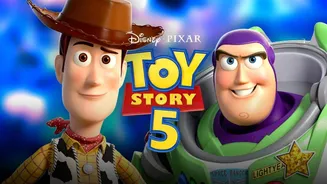
Think about the biggest animated films of the 2000s and 2010s. Whether from Pixar, Disney, or DreamWorks, they often shared a common visual goal: a polished, tangible reality. The fuzz on a tennis ball in *Toy Story*, the individual strands of hair in *Tangled*,
the realistic water in *Finding Nemo*—the art was in making the unreal look as real as possible. This pursuit of photorealism became the undisputed benchmark of quality and technological might. It was beautiful, expensive, and for a long time, the only game in town for blockbuster animation. But in recent years, a new aesthetic has exploded into the mainstream. It’s a look that intentionally breaks the rules of reality. You’ve seen it in the comic-book panels of *Spider-Man: Into the Spider-Verse*, the painterly brushstrokes of *Puss in Boots: The Last Wish*, and the sketchy, teenage-doodle energy of *Teenage Mutant Ninja Turtles: Mutant Mayhem*. This isn’t one single style, but a shared philosophy: animation doesn’t have to imitate live-action. It can look like a painting, a sketch, or something else entirely.
The Rise of Stylized Animation
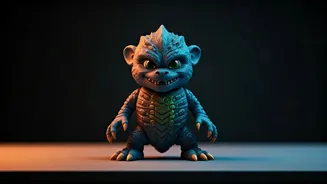
This new wave is often called “stylized” or “non-photorealistic” animation. Instead of hiding the artist’s hand, it celebrates it. The goal is no longer to convince you that a 3D model is a physical object, but to evoke a feeling. *The Mitchells vs. The Machines* used digital squiggles and watercolour textures to capture the main character’s creative, chaotic mind. *Arcane* blended 2D effects with 3D characters to create a gritty, painterly steampunk world. The so-called “glossy toy” look is part of this trend, where characters might have the sheen of vinyl figures, but they move with a snappy, expressive energy that defies physics.
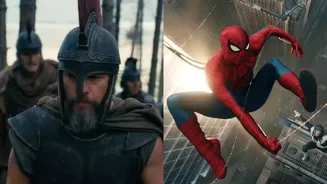
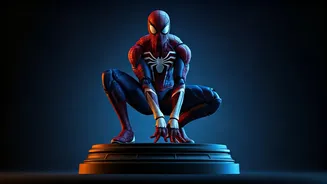
This shift was kickstarted by Sony Pictures Animation’s *Spider-Verse* in 2018. The film was a visual earthquake, combining the language of comic books—Ben-Day dots, ink lines, and dynamic paneling—with cutting-edge 3D animation. It proved that audiences were not only ready for something different, but hungry for it. The film’s massive critical and commercial success gave other studios the courage to break from the photorealistic mould.
Art Meets Technology and Economics
This creative revolution is powered by both technology and economics. For years, making CGI look 'real' required enormous render farms and proprietary software that only the biggest studios could afford. But new tools and techniques have made stylized animation more accessible. Artists can now directly 'paint' over 3D models or apply custom shaders that mimic everything from cel-shading to oil paint. Software like Blender has democratised access to powerful animation tools, allowing smaller teams to achieve stunning, unique visuals without a nine-figure budget.
This has a profound impact on the studio framework. Chasing photorealism is an arms race with diminishing returns. Every year, it gets exponentially more expensive to make digital hair look just a little more realistic. Stylization, however, sidesteps this race. It prioritises art direction over raw processing power. A studio can invest in a unique visual identity that is not only artistically compelling but also more cost-effective to produce. This allows for more risk-taking and gives smaller, more agile studios a chance to compete with giants like Disney and Pixar on the basis of style, not just budget.
A More Vibrant Future
The success of films like *Puss in Boots: The Last Wish*, *Nimona*, and the *Spider-Verse* series is sending a clear message to the industry: there is no longer a single 'right' way for a major animated film to look. This pressure is forcing even the titans to evolve. Disney’s *Wish*, for instance, attempted a watercolour-storybook aesthetic, a clear departure from its typical look, even if the results were met with a mixed reception. The trend is pushing the entire medium forward, challenging studios to justify their artistic choices beyond just 'making it look real.'
For audiences, this is an undeniable win. It means more visual diversity at the cinema, with films that are as artistically distinct as their stories. Instead of a monoculture of smooth CGI, we are entering a golden age of stylistic variety, where the visual language of a film is a crucial part of its storytelling.