



Embracing the Dark
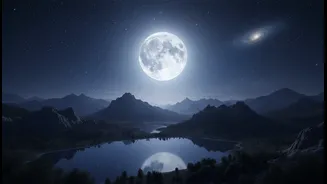
The single biggest advantage for skywatchers this month arrives on the night of July 14, 2026: the new moon. A new moon means the sky will be at its darkest, as there is no moonlight to wash out fainter objects. This creates a perfect, albeit potentially
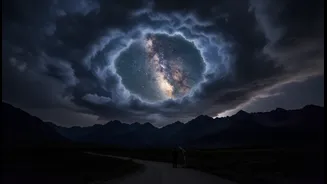
brief, window of opportunity. The key to monsoon stargazing is seizing the clear spells. Often, the air is cleanest and most stable right after a rain shower, providing surprisingly crisp views for those who are ready.
What to Look For This July
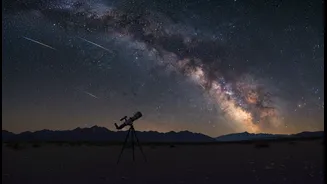
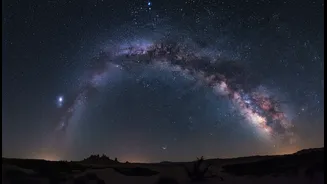
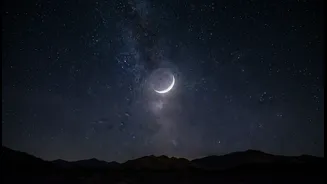
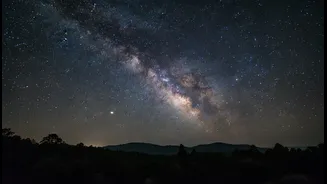
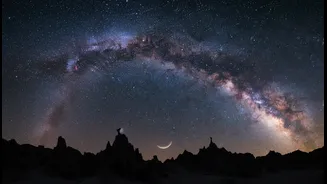
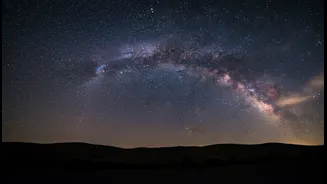
July 2026 is packed with celestial treats for those who find a clear patch of sky. The dark skies around the July 14 new moon are ideal for spotting the majestic core of the Milky Way galaxy, which appears as a faint, glowing cloud stretching across the sky. Early in the month, on July 11, the pre-dawn sky will feature a beautiful celestial triangle formed by the crescent moon, reddish Mars, and the Pleiades star cluster. Towards the end of the month, on July 30-31, both the Southern Delta Aquariids and Alpha Capricornids meteor showers will peak. While the nearly full moon will obscure fainter meteors, the Alpha Capricornids are known for producing spectacular, bright fireballs that are hard to miss.
Finding a Monsoon Stargazing Spot
Getting away from city lights is crucial, even more so when viewing time is limited. While the monsoon affects most of the country, some regions offer better odds. The high-altitude desert of Spiti Valley in Himachal Pradesh lies in a rain-shadow area, offering exceptionally clear skies. For those in Maharashtra, the hills of Malshej Ghat can provide dark skies during breaks in the rain. In the south, pockets around Coorg in Karnataka, away from the main towns, can be surprisingly good. The goal is to find an elevated spot with a clear view of the horizon, away from the glare of urban centres.
The Modern Stargazer's Toolkit
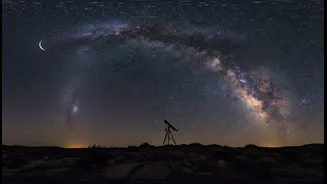
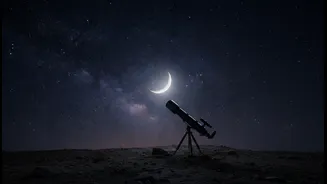
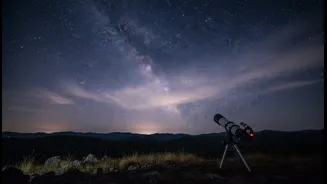
Technology is your best friend for monsoon astronomy. Start with a reliable weather app that provides cloud cover forecasts. Then, download a good stargazing app. Applications like Stellarium, SkyView, or Google Sky Map use your phone's location to show you a real-time map of the night sky, helping you identify planets, constellations, and satellites even if you're a beginner. Many of these apps also allow you to plan by showing you what the sky will look like on a future date and time. And don't underestimate the power of a simple pair of binoculars. They are portable, easy to use, and can reveal stunning details on the Moon, the moons of Jupiter, and countless star clusters.
A Game of Patience
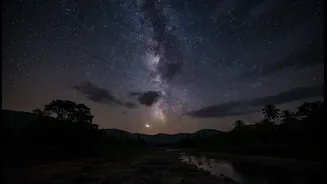
Ultimately, stargazing during the Indian monsoon is an exercise in patience. You may spend a few nights staring at clouds before being rewarded with a clear view. The trick is to be prepared. Keep your gear ready, know what you want to look for, and have your location scouted. When a gap in the clouds appears, you'll be able to make the most of every precious minute. The fleeting beauty of seeing a meteor streak across a rain-washed sky or the Milky Way emerge between clouds makes the wait worthwhile.