



Why Cold-Pressed Makes a Difference
Before diving into specific oils, it's worth understanding the 'cold-pressed' distinction. Unlike refined oils, which use heat and chemical solvents that strip away nutrients and flavour, cold-pressed oils are extracted through mechanical pressure at low
temperatures. This gentle process preserves the natural aroma, taste, and nutritional integrity of the seeds or nuts. For a cook, this means the oil isn't just a cooking medium; it's a flavour ingredient in its own right, carrying the distinct essence of its source. This makes it fundamental to achieving the authentic taste profiles of regional Indian cuisine.
Mustard Oil: The Pungent Heart of the East and North
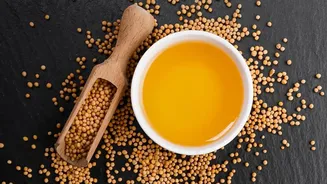
Recognised by its deep golden hue and sharp, pungent aroma, cold-pressed mustard oil is the soul of many culinary traditions in Eastern and Northern India, particularly in Bengal, Bihar, Punjab, and Odisha. Its assertive, peppery flavour is not for the faint of heart, but it is essential for specific dishes where it balances other strong ingredients. For an iconic Bengali fish curry like Macher Jhol, mustard oil is non-negotiable; its bold character complements the delicate fish and tangy spices. Similarly, the earthy depth of Punjabi Sarson da Saag or the fiery kick of a traditional Bihari tadka for dal relies on the unique properties of mustard oil. When using it, many traditional cooks heat the oil until it just begins to smoke lightly to mellow its initial intensity before adding other ingredients.
Groundnut Oil: The Nutty Workhorse of the West and South
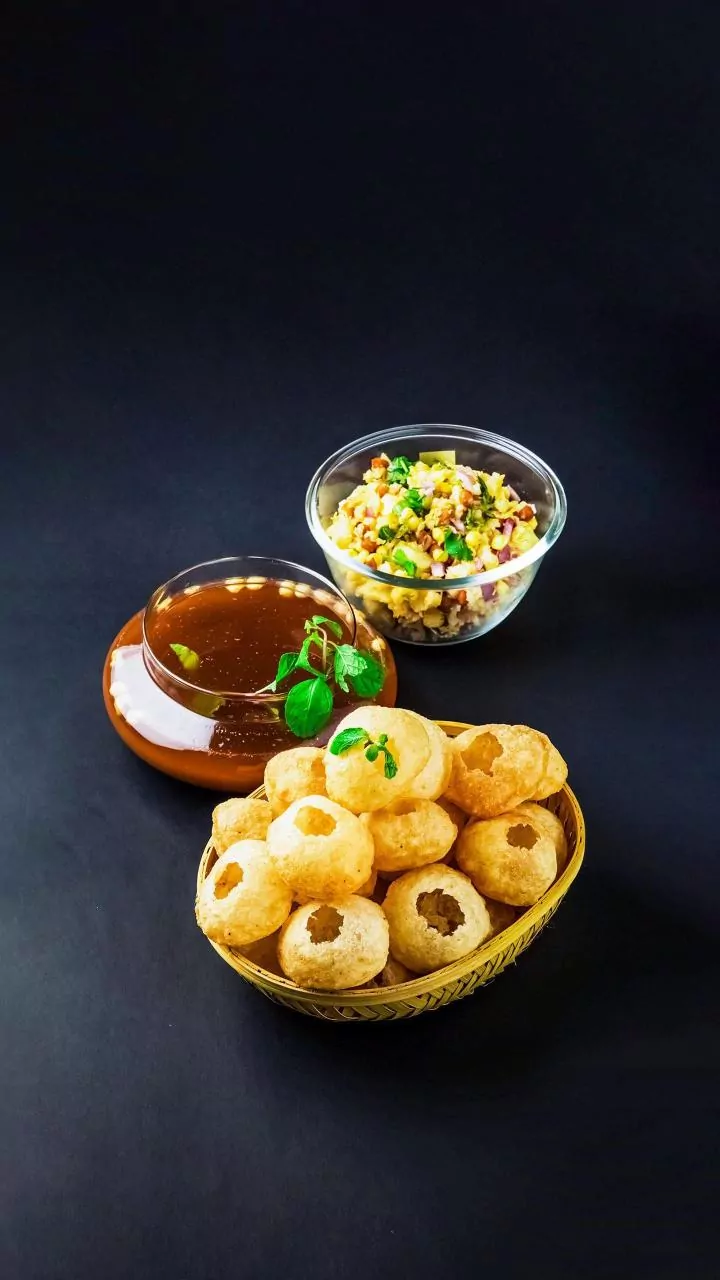
Cold-pressed groundnut oil, with its milder, nutty flavour and relatively high smoke point, is a versatile staple in Western and Southern India. In states like Gujarat and Maharashtra, it’s the go-to oil for everything from everyday stir-fries to deep-fried snacks. Its subtle character allows the spices in a dish to shine without being overpowered. Think of a classic Gujarati Khati Meethi Dal, where the tempering (vaghar) in groundnut oil provides a rounded warmth that balances the sweet and sour notes. In Maharashtrian cuisine, it forms the base for robust dishes like Kolhapuri Misal, where its nutty profile rounds out the sharp heat of the chillies. It’s also used for frying snacks like Batata Vada, ensuring a crisp exterior without a greasy feel.
Sesame Oil: The Fragrant Soul of the South
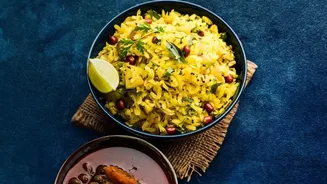
In South India, especially Tamil Nadu and Andhra Pradesh, cold-pressed sesame oil (often called gingelly oil or nalla ennai) is treasured for its deep, earthy, and fragrant character. It is darker and more aromatic than its East Asian toasted counterpart and is a cornerstone of Tamil cuisine. Sesame oil is essential for tangy, tamarind-based gravies like Kara Kuzhambu or Vatha Kuzhambu, where its distinctive flavour provides a rich and complex base that no other oil can replicate. It's also the traditional choice for tempering various rice dishes, such as the famous Ellu Sadam (sesame rice), and for mixing with idli podi to create a flavourful dip. The unique compounds in cold-pressed sesame oil also make it surprisingly stable for cooking, lending a signature taste to countless regional specialities.