
Why the Monsoon is a Photographer's Dream
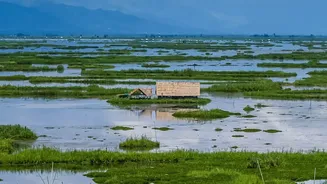
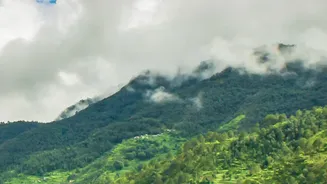
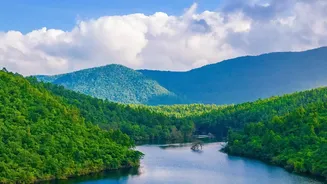
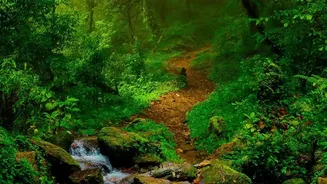
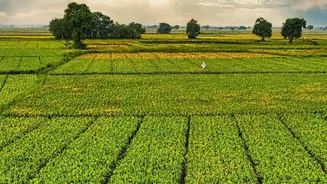
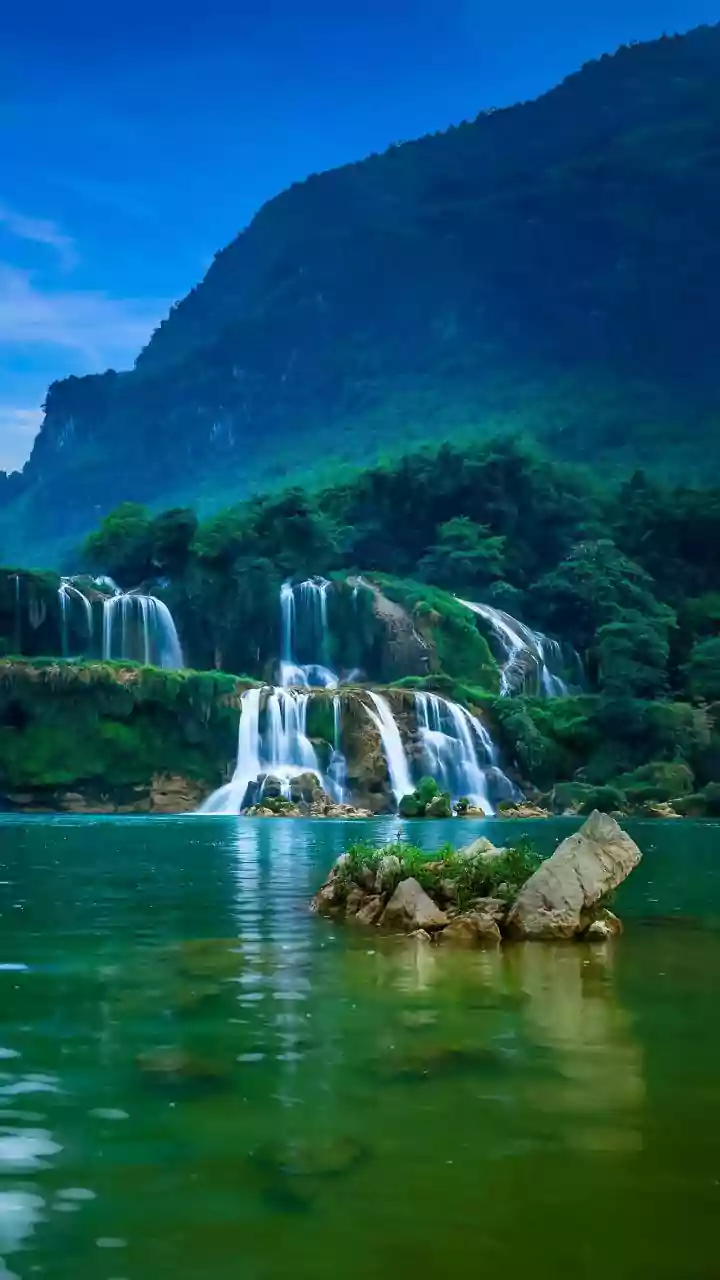
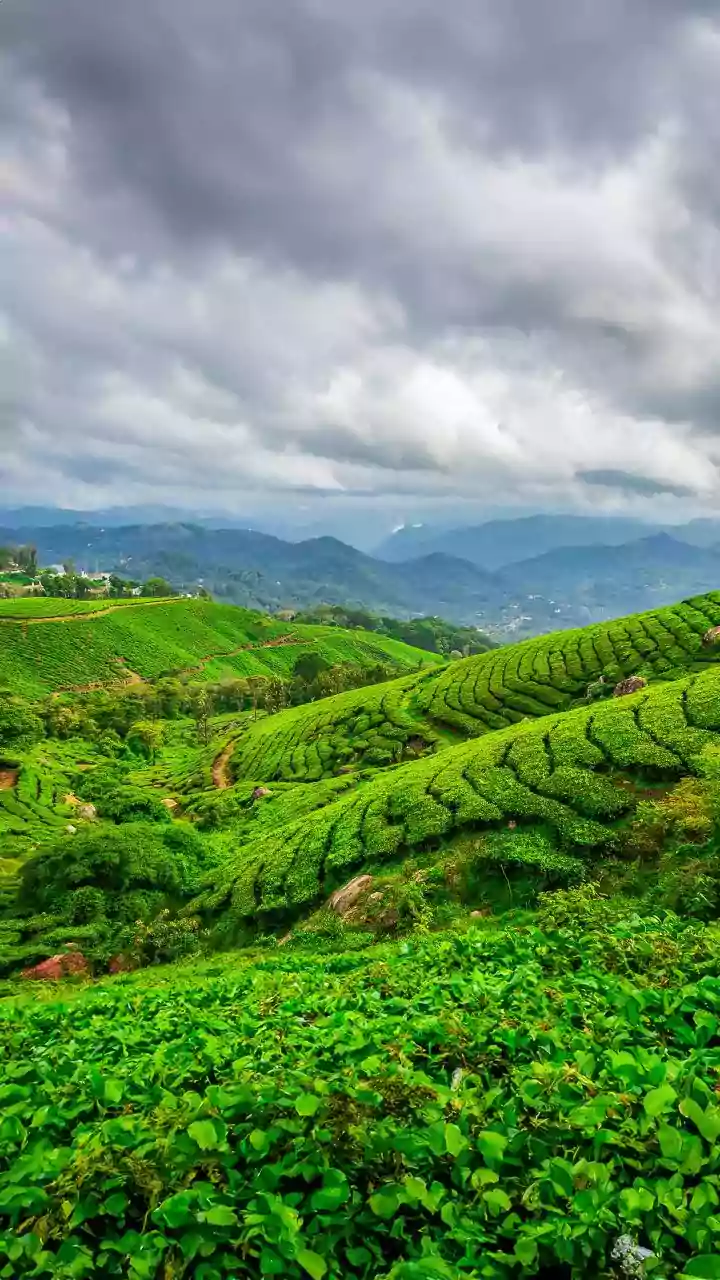
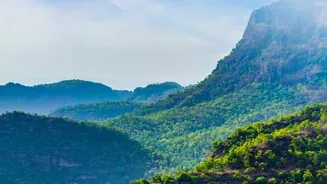
The monsoon washes away dust, making colours pop with an incredible saturation you won't find in drier months. Landscapes turn a vibrant, deep green, waterfalls surge to full power, and rolling fog and mist create a soft, ethereal light that can turn an ordinary
scene into a moody masterpiece. It's a time for capturing emotion, from the drama of a stormy sky to the simple joy of people navigating rain-soaked streets. The entire atmosphere shifts, offering a fresh perspective on even the most familiar places.
Essential Gear and Protection
Photographing in the rain is all about preparation. Your first priority is keeping your equipment dry. A dedicated rain cover for your camera is a wise investment. Also, pack several microfibre cloths to constantly wipe your lens, as it will fog up. Silica gel packets thrown into your camera bag will help absorb ambient moisture overnight, a crucial step in preventing the dreaded lens fungus that thrives in high humidity. A sturdy tripod is non-negotiable for capturing silky smooth waterfalls with a slow shutter speed, a classic monsoon shot. Finally, waterproof shoes and quick-dry clothing will make your experience far more comfortable.
Top Destinations for Monsoon Photography
Certain regions of India become exceptionally photogenic during the monsoon. The Western Ghats are a prime choice, with destinations like Munnar in Kerala offering mist-draped tea plantations and Coorg in Karnataka boasting lush coffee estates and roaring waterfalls like Abbey Falls. For those seeking dramatic cloudscapes and some of the highest rainfall on Earth, Cherrapunji and Mawsynram in Meghalaya are unparalleled. In Maharashtra, Lonavala and Mahabaleshwar become easily accessible green wonderlands. Even the lakes and palaces of Udaipur in Rajasthan take on a unique charm against the backdrop of the Aravalli hills turning green.
Creative Techniques and Subjects
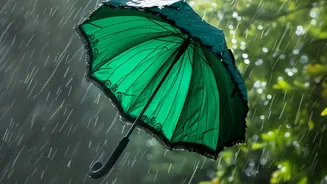
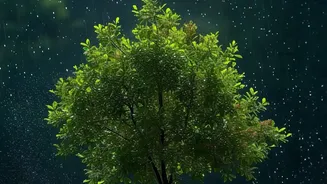
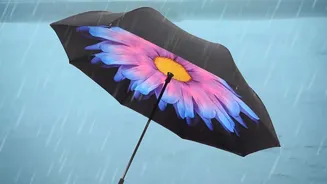
Look beyond the grand landscapes. The monsoon is rich with details. Focus on macro shots of raindrops clinging to a leaf or spiderweb. Use reflections in puddles to create unique compositions of cityscapes or trees. To capture the rain itself, use a fast shutter speed (like 1/250s or faster) to freeze individual drops, or a slower one (around 1/60s) to create artistic streaks. Don't forget the human element; streets filled with colourful umbrellas, people sipping chai at a roadside stall, or children splashing in puddles tell the story of life during the monsoon.
Mastering the Monsoon Light
Overcast skies provide soft, diffused light, which is incredibly flattering for portraits and eliminates the harsh shadows of the midday sun. This soft light also enriches natural colours, making the greens of the foliage even more intense. The moments just after a downpour, when the sun breaks through the clouds, are golden. This light, hitting the wet, glistening landscape, creates spectacular contrast and vibrancy. A polarizing filter can be a great tool to cut through the glare on wet surfaces and deepen the colours of the sky and foliage.
Travel and Safety Considerations
Monsoon travel requires flexibility. Heavy rains can cause landslides and road closures, particularly in hilly regions like Meghalaya, Kerala, and Uttarakhand. It's essential to check local weather and road conditions before you set out. Always build a buffer day or two into your itinerary for unexpected delays. When trekking to waterfalls or viewpoints, be aware that paths can be slick and slippery. Leeches are also common in the wet forests of the Western Ghats and Meghalaya, so carry salt or a repellent.